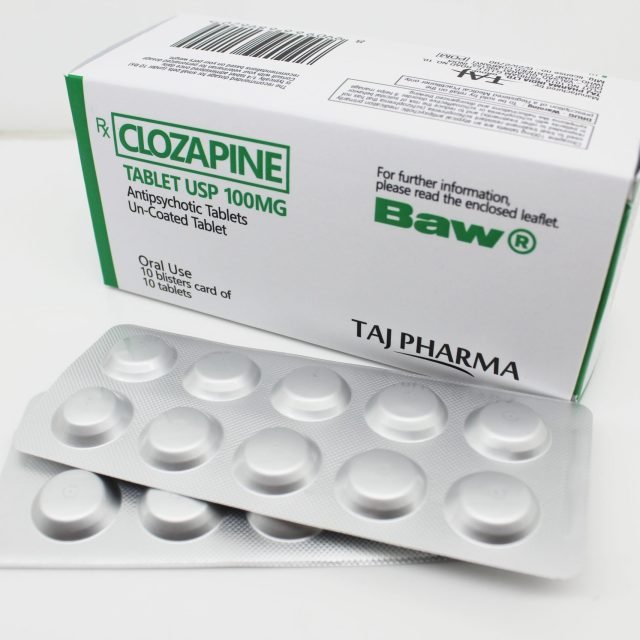
Description: In the heart of Africa, Zambia stands as a beacon of political stability and economic growth, defying the turbulent post-colonial history that has marked many of its neighboring nations. As the second-largest copper producer in Africa, after the Democratic Republic of Congo, Zambia has seen rapid economic development over the past decade. However, this prosperity comes with vulnerabilities tied to the country’s heavy reliance on copper exports, which leaves it susceptible to fluctuations in commodity prices. Adding to the complexity, Zambia faces the unique demographic challenge of having one of the world’s fastest-growing populations, projected to triple by 2050, placing immense pressure on its infrastructure and resources. Despite these challenges, Zambia’s pharmaceutical industry emerges as a beacon of hope and opportunity. Taj Pharmaceuticals in Zambia: A Global Leader’s Footprint Taj Pharmaceuticals, a global leader in generics and a top Indian pharmaceutical company, has ventured into Zambia, actively exporting pharmaceutical products and engaging with local distributors. Their commitment to quality is evident through successful audits and inspections, ensuring adherence to international standards and regulations. Exploring Collaborative Opportunities Taj Pharmaceuticals is actively seeking partnerships in Zambia’s pharmaceutical industry, spanning technology transfer, partnership investment, contract manufacturing, licensure agreements, and co-investment. These collaborations promise mutual growth and innovation. Zambia: A Geo-Politically Sound Hub Zambia’s political stability, democratically elected government, and strategic location, linking eight neighboring countries with a combined population of nearly 260 million, make it a prime hub for pharmaceutical trade and distribution. Regional Opportunities: ZAZIBONA Collaborative Medicines Registration Process ZAZIBONA, a collaborative medicines registration process among 15 Southern African Development Community (SADC) countries, streamlines medicine approvals and fosters trust among nations. It reduces bureaucratic hurdles, expediting market entry for pharmaceutical products. The SADC Protocol on Trade: A Boost to Regional Commerce The SADC Protocol on Trade aims to liberalize intra-regional trade, ensure efficient production, and attract investment, with 15 member states and a total population of 277 million. Gateway to the Southern DRC Zambia’s proximity to the Southern Democratic Republic of Congo (DRC) provides a strategic advantage for pharmaceutical companies. The Katanga Province, with approximately 6 million people, offers a lucrative market, especially considering its isolation from the DRC’s capital and ports. Local Manufacturing in Zambia: A Growing Opportunity Zambia’s pharmaceutical industry is witnessing a surge in local manufacturing capabilities, exemplified by Taj Pharmaceuticals. Local manufacturers are incentivized through regulatory support and fast-track approval processes. Investment-Friendly Economic Zones Multi-Facility Economic Zones (MFEZs) in Zambia offer fiscal and non-fiscal incentives, attracting multinational corporations and facilitating pharmaceutical manufacturing. Leveraging Local Preferences and Regulations Zambia promotes local manufacturing by offering price preferences and fast-track regulations for local pharmaceutical companies. In summary, Zambia’s pharmaceutical industry shines as a promising sector for investment and growth, offering the potential to improve healthcare not only within Zambia but across the Southern African region.
Dimensions: 2560 x 1439
File Type: jpeg
File Size: 123 KB