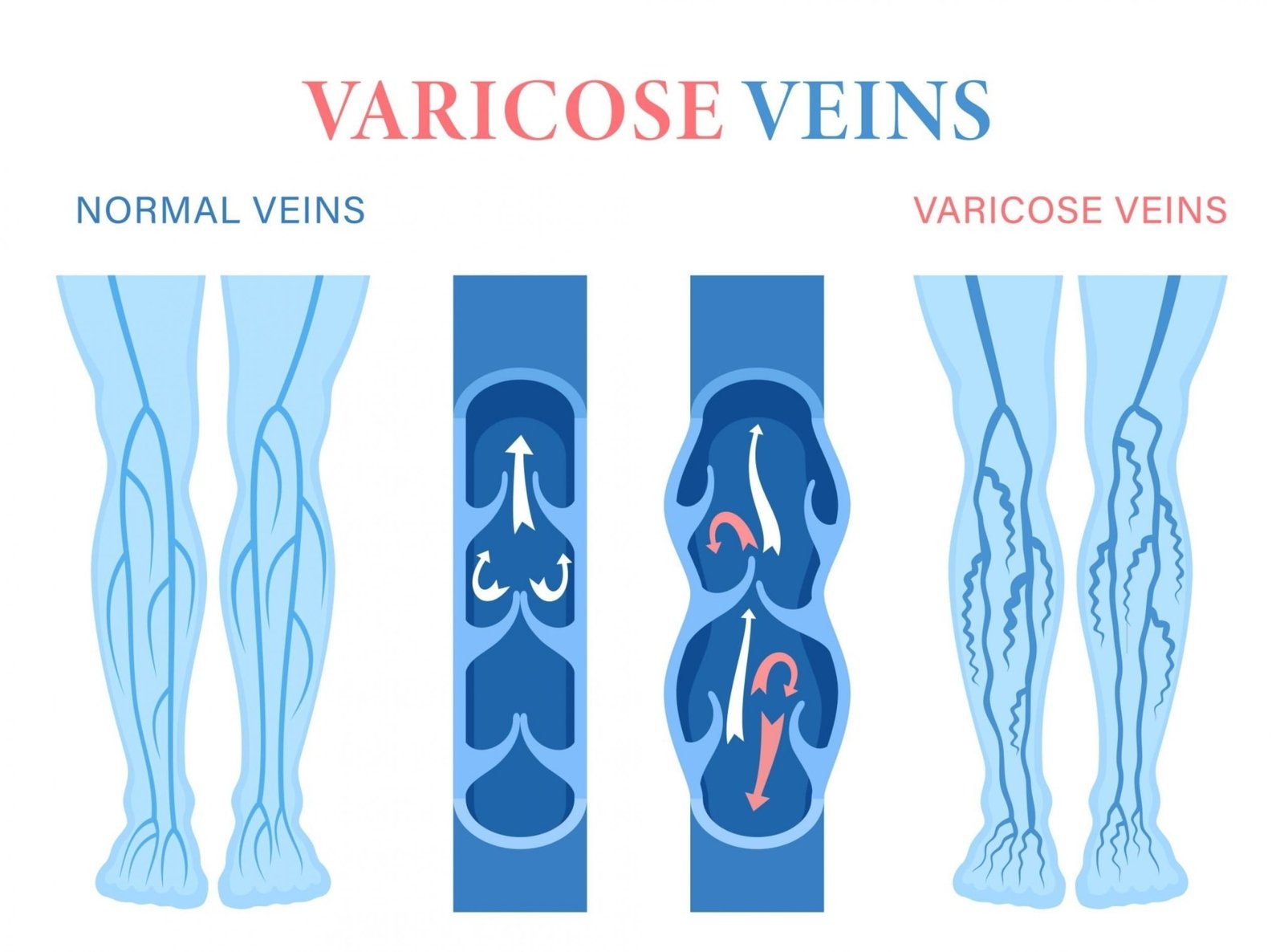
Description: Varicose veins are a common vascular condition that affects millions of people worldwide. These enlarged and twisted veins most often appear in the legs and can cause discomfort and cosmetic concerns. In this 300-word summary, we will explore the causes, symptoms, risk factors, and treatment options for varicose veins. Varicose veins develop when the one-way valves in the veins, which are responsible for directing blood flow towards the heart, become weakened or damaged. This malfunction causes blood to pool in the veins, leading to their enlargement and distortion. The primary cause of varicose veins is a condition known as venous insufficiency, which occurs when the veins are unable to effectively return blood to the heart. Common symptoms of varicose veins include visible blue or purple veins, aching or throbbing pain in the legs, heaviness or fatigue in the legs, and cramping or restless leg syndrome, especially after prolonged standing or sitting. While varicose veins are often considered a cosmetic concern, they can lead to more severe issues if left untreated, such as skin ulcers or blood clots. Several risk factors contribute to the development of varicose veins. These include genetics, as a family history of the condition increases the likelihood of developing varicose veins. Other factors include age, obesity, pregnancy, and prolonged periods of standing or sitting. Fortunately, various treatment options are available for varicose veins. Conservative approaches include lifestyle changes such as regular exercise, weight management, and wearing compression stockings. These measures can help alleviate symptoms and prevent the condition from worsening. In cases where conservative methods are insufficient, medical interventions may be necessary. Minimally invasive procedures like endovenous laser treatment (EVLT) and radiofrequency closure can effectively close off damaged veins, redirecting blood flow to healthier ones. Surgical options, such as vein stripping and ligation, are reserved for more severe cases. In conclusion, varicose veins are a common vascular condition that can cause discomfort and affect the quality of life for those affected. Understanding the causes, symptoms, risk factors, and treatment options is crucial for effectively managing this condition and preventing potential complications. Individuals experiencing symptoms of varicose veins should consult a healthcare professional for an accurate diagnosis and personalized treatment plan.
Dimensions: 2560 x 1897
File Type: jpeg
File Size: 235 KB