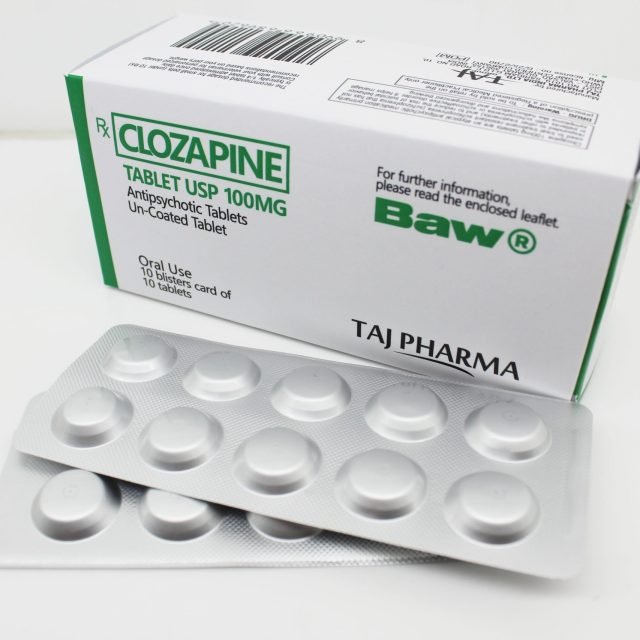
The TCS iON webinar titled ‘Pharma Industry – The Warrior of Today’ brings together industry experts, with a spotlight on Mr. Shantanu Singh, the Director of Taj Pharma group. His extensive experience in International Business Operations, Contract Manufacturing, Sales, and Strategic Consulting sets the stage for an in-depth exploration of the pharmaceutical realm.
Overview of the Indian Pharmaceuticals Market

The Indian pharmaceuticals market, ranking as the third largest in volume and the 13th largest in value globally, stands as a testament to its robust presence. With a focus on generic drugs, constituting nearly 70% of the market share, and significant contributions from over-the-counter medicines and patented drugs, the industry showcases a multifaceted approach to healthcare.
Key Statistics
- India, the largest supplier of generic medicines globally, accounts for 20 to 22% of the global export volume.
- From April 2020 to November 2020, the total drugs and pharmaceuticals export reached an impressive US$ 15.87 billion.
- Bulk Drugs & Drug intermediates saw exports of US$ 3.89 billion in FY20.
- Boasting one of the lowest manufacturing costs globally, India’s cost efficiency is nearly half of Europe and lower than the USA.
Insights from Mr. Shantanu Kumar Singh
Pharma Exports Growth
In a conversation with TCS iON, Mr. Shantanu Kumar Singh sheds light on the growth trajectory of pharmaceutical exports, witnessing an 18.7% surge in FY21, reaching $24.44 billion. The primary scenarios contributing to this growth are outlined below.
Pharma Exports Landscape
Pharma Exports as the 2nd Largest Commodity
Despite a slight contraction in the overall pharma market, the demand for made-in-India generics experienced a surge, showcasing the resilience of the industry. Drug formulations and biologicals emerged as the second-largest commodity exported, with a 7.57% increase to $20.58 billion in the previous fiscal year.
Generic Formulations, Biologicals, and Vaccines
The global demand for affordable generics from India witnessed a shift from Hydroxychloroquine with Azithromycin to Anti-Viral Drugs and Steroids. The Indian market played a pivotal role in supplying various biologicals and vaccines, contributing to the industry’s robust export performance.
Navigating Lockdowns and Supply Chain Disruptions
Despite facing unprecedented challenges such as nationwide lockdowns and supply chain disruptions, the pharmaceutical sector showcased remarkable resilience. The growth, a commendable 18.7%, marked the best performance in eight financial years, underscoring the industry’s essential role in providing Covid support products.
Major Export Markets

Notably, North America emerged as the largest market, capturing a 34% share. The U.S., Canada, and Mexico recorded significant growth, emphasizing the industry’s global footprint. Other regions, including Africa, Europe, Latin America, CIS countries, and the Middle East, presented encouraging export statistics.
Venturing into the Export Market: Insights from Mr. Shantanu Singh
Opportunities for MSMEs
For Micro, Small, and Medium Enterprises (MSMEs) looking to venture into the export market, Mr. Shantanu Kumar Singh suggests focusing on three key opportunities:
Generic Formulation Export
The primary opportunity lies in exporting generic equivalent formulations. Indian generics, being cost-effective and of high quality, can provide a lifeline to countries facing budget constraints in their healthcare systems.
Essential Drug Formulations
The prolonged pandemic has shifted the industry’s focus towards essential formulations, such as Anti-Viral, Anti-Biotic, Anti-Pyretic, Cortico-Steroids, Anti-Parasitic, and even Anti-Fungal drugs. Recognizing and meeting the demand for these essential drugs is crucial for exporters.
Vaccine Manufacturing
For MSMEs equipped with the technology, there is a significant opportunity in small to medium-scale vaccine manufacturing. As the global demand for vaccines continues, manufacturing these life-saving products can be a lucrative endeavor.
Steps for MSMEs to Enter the Export Market
Mr. Shantanu Kumar Singh outlines three critical steps for MSMEs venturing into the export market:
Ultra-Modern Manufacturing Units
To compete globally, MSMEs in the pharmaceutical sector must invest in ultra-modern manufacturing units. Equipped with the latest technology and adhering to international norms, these units can ensure the production of high-quality pharmaceuticals.
GMP & International Norms
Compliance with Good Manufacturing Practices (GMP) and international norms is non-negotiable. MSMEs must design and construct facilities and equipment properly, follow written procedures, document work, and monitor processes to meet global standards.
Drug Registrations, Plant Inspections, International GMPs
Successful entry into the export market requires meticulous attention to drug registrations, plant inspections, and adherence to international GMPs. Consistent quality, along with regulatory compliance, is the key to establishing a foothold in international markets.
Challenges Facing the Indian Pharma Industry
Raw Material Shortages and Dependence on China
Raw Material Shortage of Covid Support Raw Material
The surge in demand for Covid support raw materials, coupled with disruptions caused by the pandemic, has led to shortages and price escalations, especially in crucial drugs like Remdesivir and Favipiravir.
Raw Material Dependence on China
India’s heavy reliance on China for pharmaceutical raw materials became evident during the pandemic, emphasizing the need to boost domestic production and reduce dependence on a single source.
Drug Shortages and Price Controls
Drug Shortages of Essential Covid Support Drug
Shortages of essential drugs, including Remdesivir and Favipiravir, have exposed vulnerabilities in the supply chain, aggravated by transportation issues, overstocking, and black marketing.
Drug Price Control in India for Finished Products
The National Pharmaceuticals Pricing Authority (NPA) has implemented price controls on essential pharmaceutical products like Remdesivir and Methylprednisolone. However, challenges persist, and the industry calls for a holistic approach to control drug prices.
Bulk Drug Price Control of Essential APIs
While finished product price controls are in place, the industry advocates for the regulation of Bulk Drug Prices for essential APIs to ensure affordability and sustainability.
Immediate Steps for the Indian Pharma Industry
Mr. Shantanu Kumar Singh proposes five immediate steps for the Indian Pharma Industry to overcome current challenges:
Addressing Raw Material Shortages
Acknowledging the shortages in raw materials for essential drugs, the industry should focus on boosting production, ensuring availability, and exploring alternative sources.
Reducing Dependence on China
The government should incentivize domestic production of raw ingredients, aligning with the Production-Linked Incentive scheme. This initiative aims to decrease reliance on China and promote self-sufficiency.
Stockpiling Essential Drugs
To avoid future shortages, pharmaceutical companies should stock up on essential drugs and collaborate on batch scheduling. This proactive approach can mitigate the impact of unforeseen challenges.
Investing in Clinical Trials
To discover alternative drugs and expand the repertoire of available treatments, the industry should invest in extensive clinical trials. This not only provides more options for doctors but also ensures affordability.
Government Support Measures
The government can play a pivotal role in supporting the pharmaceutical industry by:
- Establishing diplomatic channels with China for regular cargo flights to address current shortages.
- Regulating the API prices under the National Pharmaceuticals Pricing Authority, especially during the pandemic.
- Exempting pharmaceutical goods from toll plaza charges during the pandemic to facilitate seamless transportation.
Final Remarks and Key Takeaways

As Mr. Shantanu Kumar Singh aptly notes, the pharmaceutical industry is navigating uncharted waters, grappling with unprecedented challenges. The collaboration between government, pharmaceutical companies, healthcare professionals, and all stakeholders is essential to overcoming these challenges.
In the face of a potential third wave and evolving dynamics, preparedness and proactive measures become paramount. The industry must focus on strategic stocking, regulatory compliance, and international collaborations to fortify its position as the warrior of today.
In conclusion, the pharmaceutical industry’s resilience and adaptability are critical in these uncertain times. The shared responsibility of all stakeholders will pave the way for a robust and sustainable future for the Indian pharmaceutical sector.