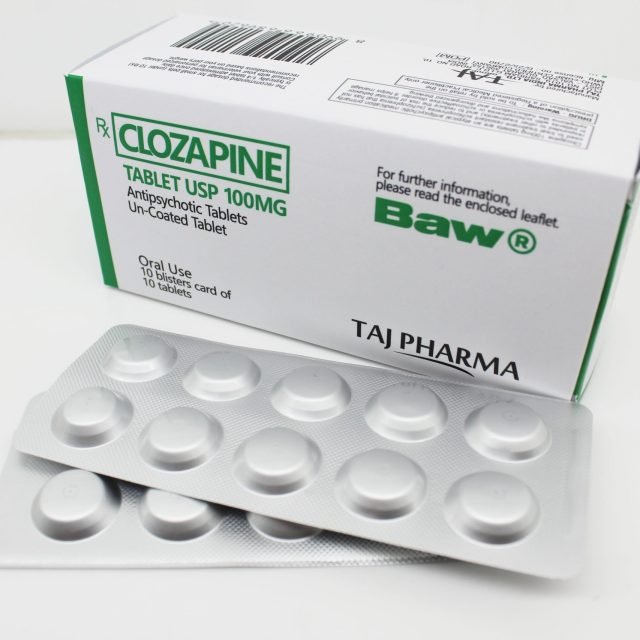
The regulatory approval process for new drugs and therapies is a critical and comprehensive evaluation conducted by health authorities to ensure that a product is safe, effective, and of high quality before it can be marketed and used by healthcare professionals and patients. This process varies by country but generally follows a similar structure. Here’s an overview of the regulatory approval process:
1. Preclinical Development:
- Laboratory Research: Before a drug or therapy can enter human trials, extensive laboratory research is conducted to understand its mechanism of action, safety, and potential efficacy. This often involves in vitro (cell-based) and in vivo (animal) studies.
- Animal Studies: Animal studies help assess the product’s safety, dosage, and potential side effects. Researchers aim to establish a favorable safety profile and gather preliminary efficacy data.
2. Investigational New Drug (IND) Application:
- Submission to Regulatory Agency: The company or organization developing the product submits an IND application to the appropriate regulatory agency, such as the U.S. Food and Drug Administration (FDA) in the United States.
- Safety and Efficacy Data: The IND includes data from preclinical studies, information on the manufacturing process, and a proposed plan for human clinical trials.
- FDA Review: The FDA reviews the IND and assesses the safety and efficacy data. If the agency has no concerns, the product can proceed to clinical trials.
3. Clinical Trials:
- Phase I: Small-scale trials in healthy volunteers to assess safety, dosage, and initial efficacy.
- Phase II: Larger trials in patients to further evaluate safety and efficacy and establish dosing guidelines.
- Phase III: Large-scale, randomized, and controlled trials to confirm safety and efficacy. These trials often involve thousands of participants.
- Data Collection: Clinical trials generate comprehensive data on the product’s safety and effectiveness, including information on side effects and potential risks.
4. New Drug Application (NDA) or Biologics License Application (BLA):
- Submission: After successful completion of clinical trials, the developer submits an NDA (for drugs) or BLA (for biologics) to the regulatory agency. This submission includes all data from preclinical and clinical studies.
- Review: Regulatory agencies meticulously review the NDA or BLA, assessing the quality, safety, and efficacy of the product.
- Advisory Committees: Some agencies convene expert advisory committees to evaluate the product and provide recommendations.
5. Regulatory Agency Decision:
- Approval: If the regulatory agency determines that the product’s benefits outweigh the risks and the data support its safety and efficacy, it grants approval. This approval allows the product to be marketed and prescribed.
- Conditional Approval: In some cases, a product may receive conditional approval, with additional post-marketing requirements for further safety and efficacy data.
6. Post-Marketing Surveillance:
- Monitoring: Even after approval, the regulatory agency continues to monitor the product’s safety and effectiveness through post-marketing surveillance and adverse event reporting.
- Labeling and Usage Updates: Regulatory agencies may update product labeling and usage guidelines based on ongoing data and real-world experience.
7. Global Approval:
- International Approval: For global distribution, the product may need to undergo separate regulatory approval processes in different countries, often coordinated through international collaborations and mutual recognition agreements.
The regulatory approval process is rigorous and may take several years, with the goal of ensuring that new drugs and therapies are safe, effective, and meet high-quality standards. It involves close collaboration between drug developers, researchers, and regulatory agencies to protect the health and well-being of patients.