-
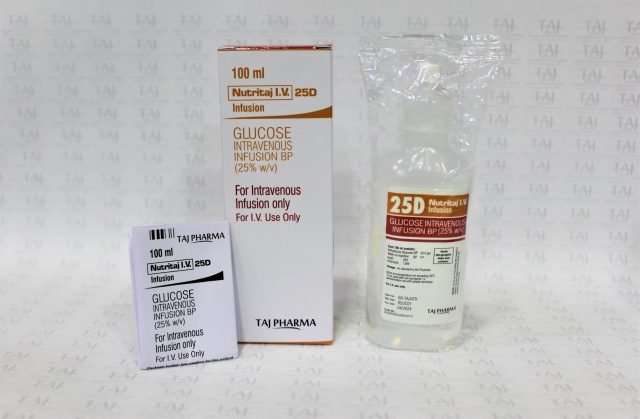
Glucose Intravenous Infusion BP 25%w/v (Nutritaj)
-
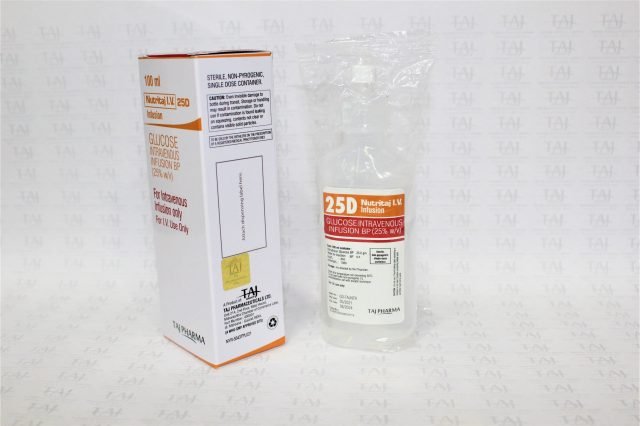
Glucose Intravenous Infusion BP 25%w/v
-
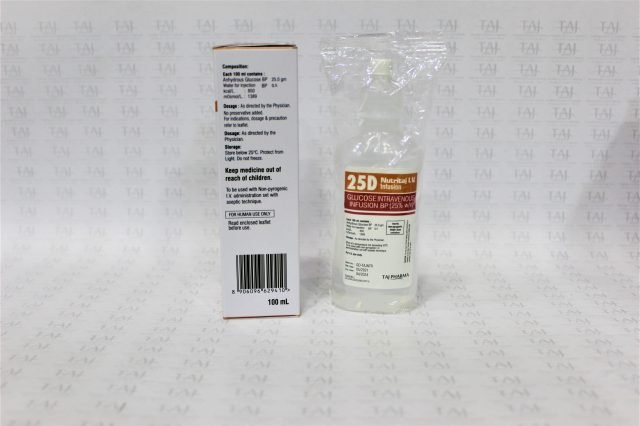
Glucose Intravenous Infusion BP 25%w/v
-
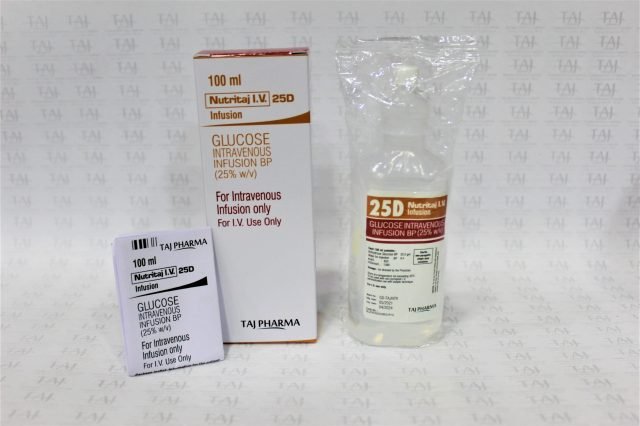
Glucose Intravenous Infusion BP 25%w/v
-
Glucose Intravenous Infusion BP 25%w/v

-
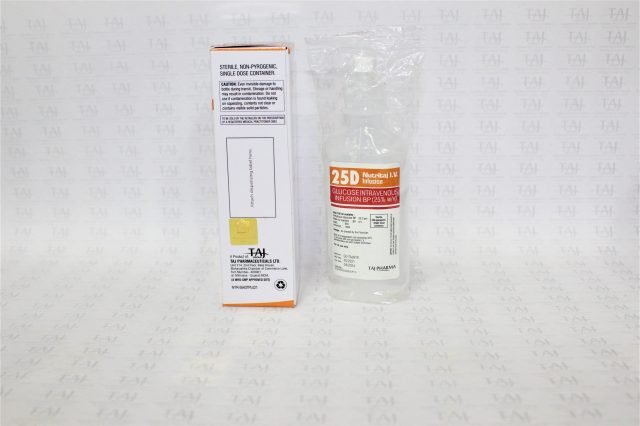
Glucose Intravenous Infusion BP 25%w/v
-
Glucose Intravenous Infusion BP 25%w/v
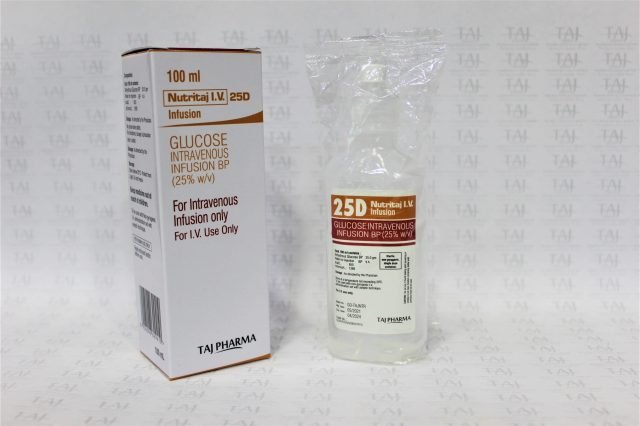
-
Glucose Intravenous Infusion BP 25%w/v


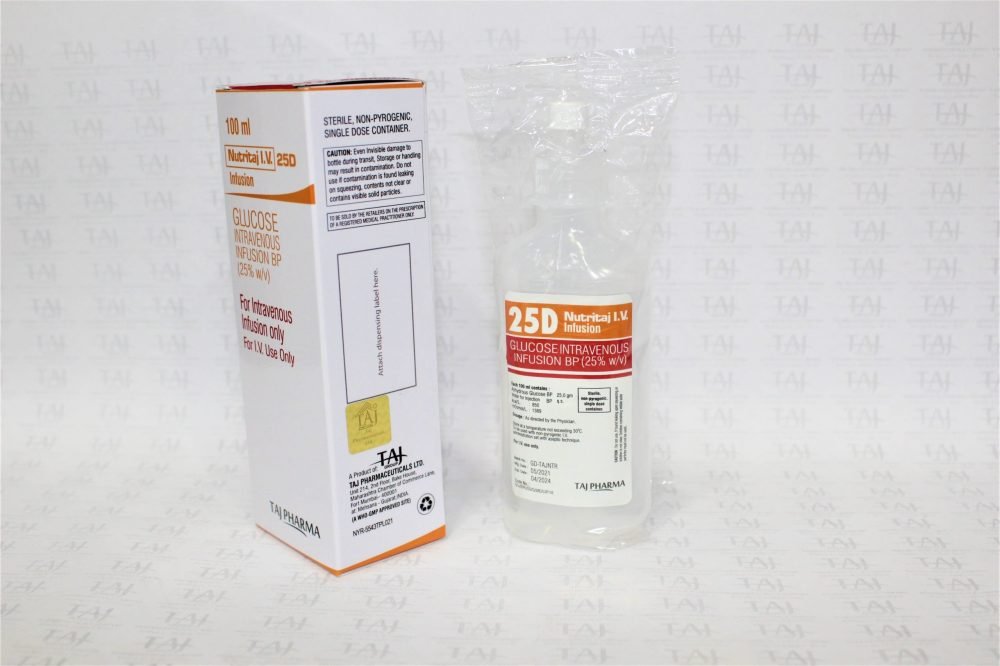
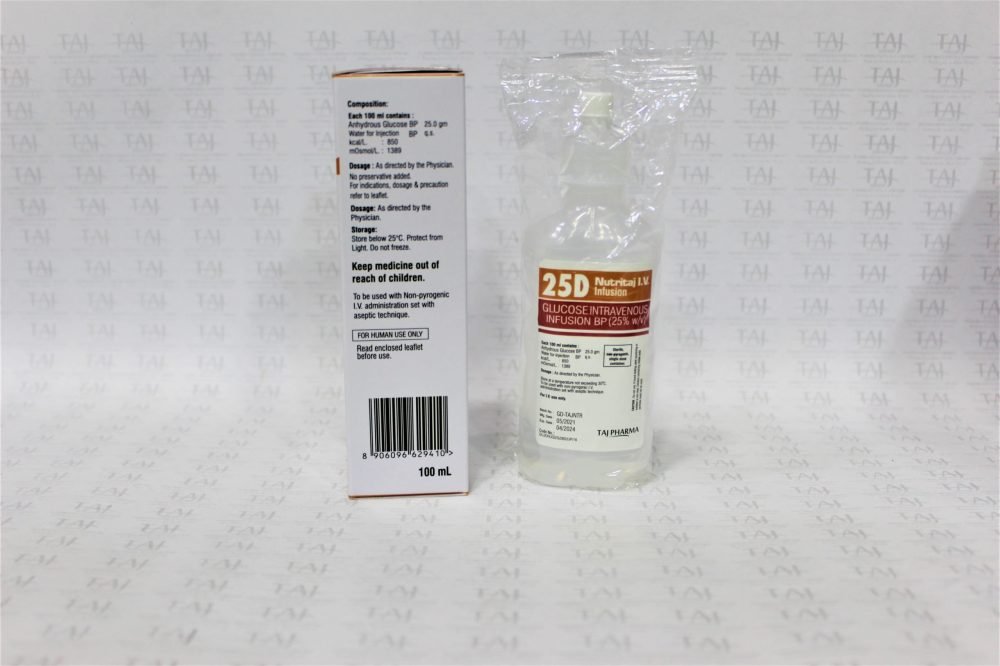
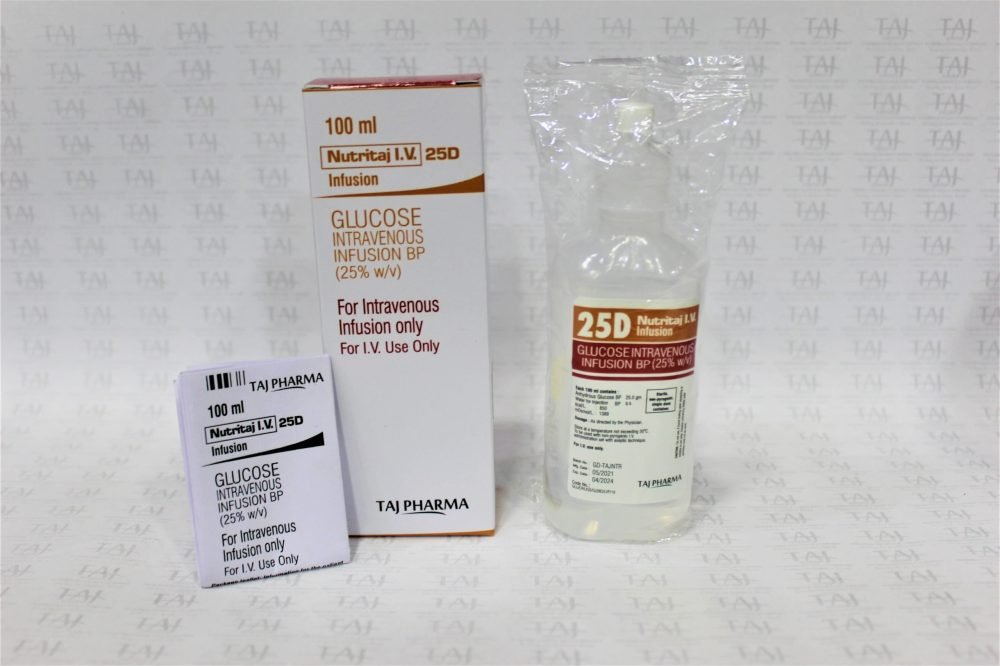
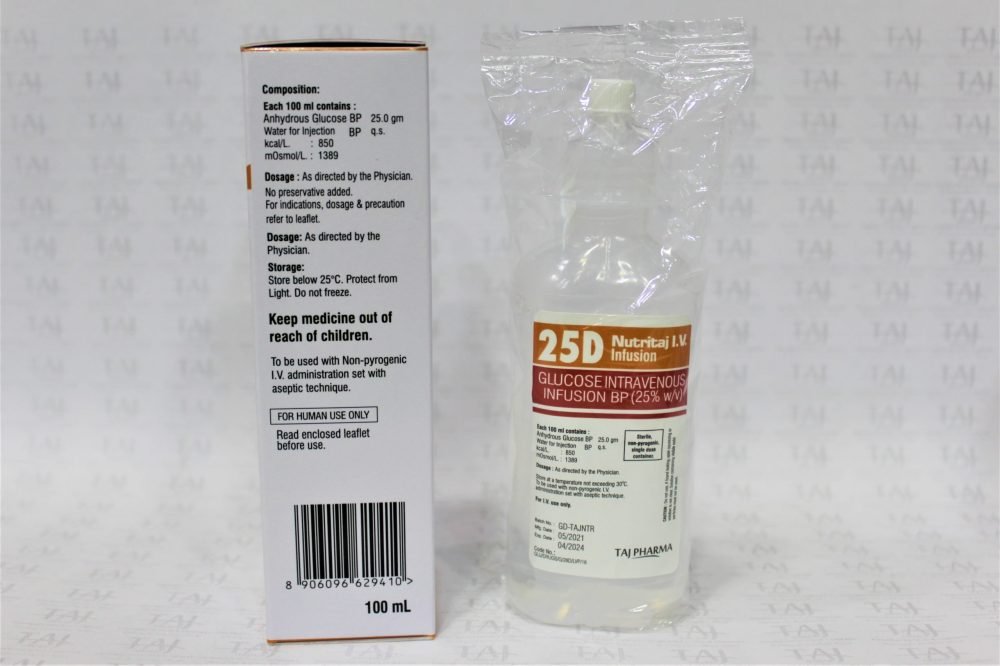
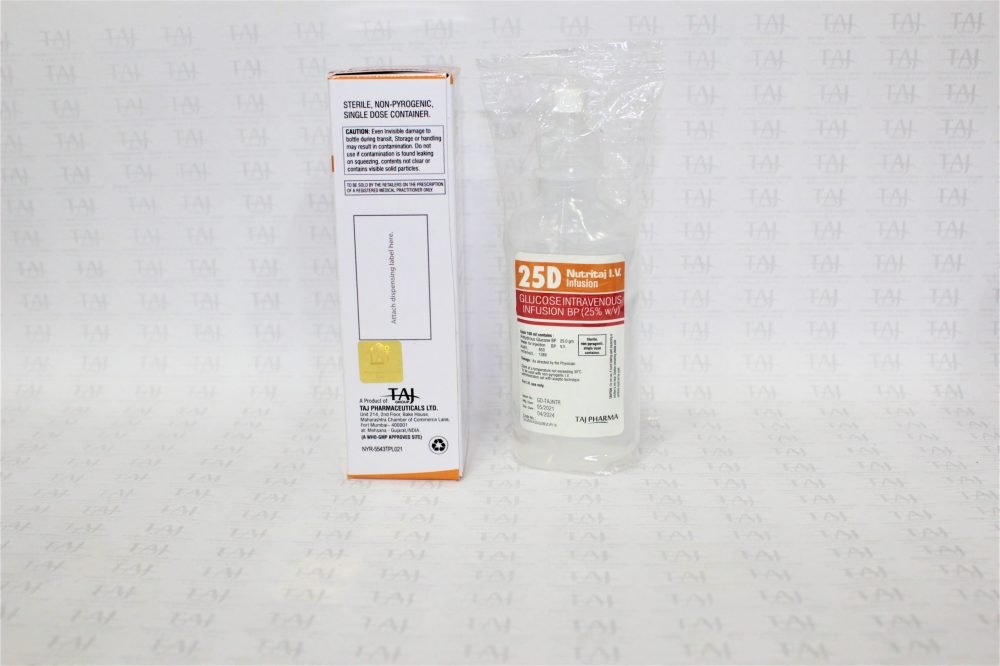
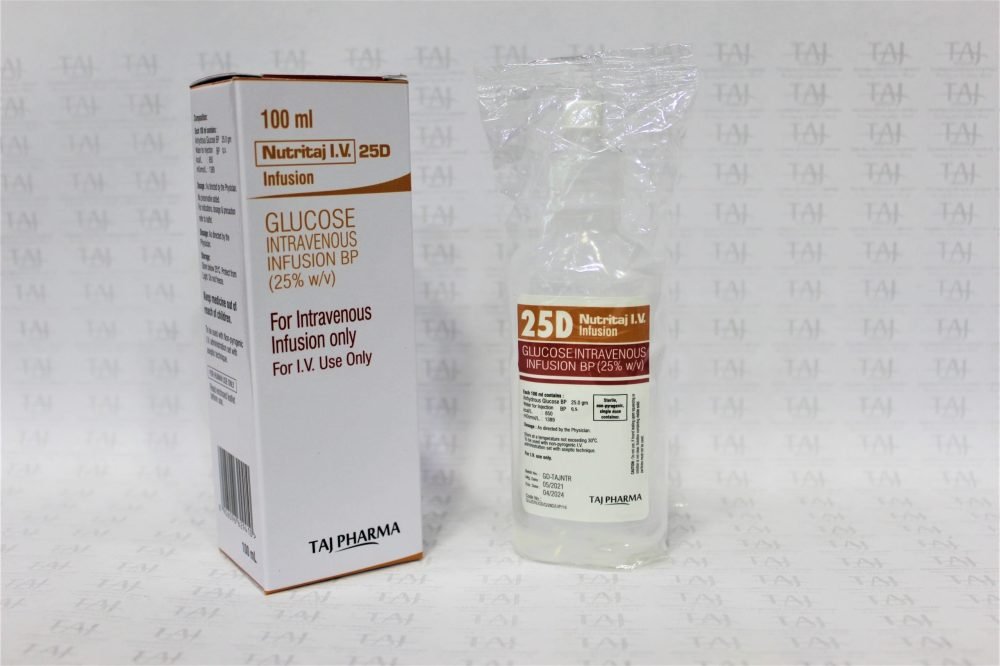

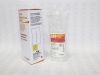
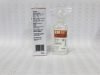


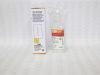
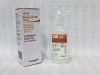

Glucose Intravenous Infusion BP 25%w/v (Nutritaj) Technical Specification:
| Product Name: | Glucose Intravenous Infusion BP 25%w/v |
| Brand Name: | Nutritaj |
| Strength: | 5%w/v, 10%w/v, 25%w/v |
| Dosage Form: | I.V. Infusion Bottle (LVP) |
| Packing: | 100mL, 200mL, 500mL IV Bottle |
| Route of Administration: | For I.V. use only |
| Pack Insert/Leaflet: | PIL (Patient Information Leaflet), SmPC (Summary Product Characteristics) |
| Regulatory Documents: | COA, MOA, COPP, FSC, Stability Studies, GMP, CTD Dossier |
| Therapeutic use: | Vehicle & Diluent |
| Indication: | Glucose Intravenous Infusion is given to patients who have low levels of sugar in their blood or are dehydrated. Glucose Intravenous Infusion may also be used for the dilution of other medicines before injecting them into the body. |
| Storage: | Store below 25°C. Protect from light. Do not freeze. |
GENERIC NAME OF THE MEDICINAL PRODUCT:
- Glucose Intravenous Infusion BP (25%w/v)
QUALITATIVE AND QUANTITATIVE COMPOSITION:
- Glucose Intravenous Infusion BP (25%w/v)
Composition:
Each 100ml contains:
Anhydrous Glucose BP……………………………25g
Water for Injection BP…………………………. q.s.
Kcal/L: 850
mOsmol/L: 1389
THERAPEUTIC INDICATIONS:
Glucose Intravenous Infusion is given to patients who have low levels of sugar in their blood or are dehydrated. Glucose Intravenous Infusion may also be used for the dilution of other medicines before injecting them into the body.
DIRECTION OF USE:
To be used with Non-pyrogenic I.V. administration set with aseptic technique.
For I.V. use only.
CAUTION & WARNING:
CAUTION: Even Invisible damage to bottle during transit, Storage or handling may result in contamination. Do not use if contamination is found leaking on squeezing, content not clear or contains visible solid particle.
WARNING: TO BE SOLD BY THE RETAILERS ON THE PRESCRIPTION OF A REGISTERED MEDICAL PRACTITIONER ONLY.
STORAGE & DOSAGE:
Storage: Store below 25°C. Protect from light. Do not freeze.
STERILE, NON-PYROGENIC, SINGLE DOSE CONTAINER.
Keep medicine out of reach of children.
FOR HUMAN USE ONLY
Read enclosed leaflet before use.
Dosage: As directed by the Physician.
Why Taj Pharmaceuticals?
Taj Pharmaceuticals is a renowned name in the pharmaceutical industry, well-regarded for its unwavering dedication to quality and patient welfare, particularly in the domain of Glucose Intravenous Infusion. There are several compelling reasons why Taj Pharmaceuticals stands out in this field. First and foremost, Taj Pharmaceuticals places paramount importance on quality assurance. Throughout the entire production process, from sourcing raw materials to the meticulous manufacturing and packaging phases, stringent quality control measures are rigorously adhered to. This unwavering commitment guarantees that Glucose Intravenous Infusion consistently meets the highest quality standards, instilling confidence in both healthcare providers and patients. Safety and efficacy are cornerstones of Taj Pharmaceuticals’ approach. Patient well-being takes precedence, and the company’s Glucose Intravenous Infusion undergoes rigorous testing to ensure it not only meets safety requirements but also delivers the desired therapeutic effects in clinical settings. With years of experience in the pharmaceutical industry, Taj Pharmaceuticals has amassed a wealth of knowledge and expertise. This extensive background has contributed to its reputation as a trusted and reliable producer of pharmaceutical products. Patients and healthcare providers alike benefit from Taj Pharmaceuticals’ expertise.
Taj Pharmaceuticals’ global reach ensures that individuals worldwide have access to their high-quality pharmaceuticals, including Glucose Intravenous Infusion. This global presence underscores the company’s commitment to making quality healthcare products accessible to diverse populations. Adherence to international regulatory standards is another hallmark of Taj Pharmaceuticals. Their strict compliance ensures that their products are not only safe but also meet the requirements of healthcare authorities in various countries, instilling further confidence in the quality of their offerings. Taj Pharmaceuticals’ commitment to continuous research and development is evident in their dedication to improving existing products and developing innovative solutions. This ongoing pursuit of excellence ensures that their products remain at the forefront of medical advancements. Ultimately, Taj Pharmaceuticals operates with a patient-centric approach, placing the well-being of individuals at the core of their operations. Their aim is to provide solutions that enhance the quality of life and health outcomes for those in need of Glucose Intravenous Infusion. Through their dedication to quality, safety, and patient care, Taj Pharmaceuticals has earned its reputation as a trusted choice for both healthcare providers and patients seeking reliable intravenous solutions.
What is Glucose Intravenous Infusion and its uses
Glucose Intravenous Infusion, commonly referred to as a glucose IV drip, is a medical solution used for a variety of therapeutic purposes. It consists of a sterile solution of glucose (sugar) dissolved in water and is administered directly into the bloodstream through an intravenous (IV) line. Here are its primary uses:
- Treatment of Dehydration: Glucose IV infusion is often employed to treat dehydration, which can result from various causes, including excessive sweating, vomiting, diarrhea, or insufficient fluid intake. The infusion helps replenish lost fluids and electrolytes, restoring normal hydration levels in the body.
- Nutritional Support: In cases where individuals cannot consume adequate nutrients orally, such as post-surgery or critically ill patients, glucose IV infusion may be used to provide a source of calories and energy. It is especially useful when a person cannot tolerate solid food or oral liquids.
- Hypoglycemia Management: Glucose IV infusion is a rapid and effective treatment for severe hypoglycemia (dangerously low blood sugar levels). It provides a quick source of glucose to raise blood sugar levels in emergency situations, such as diabetic emergencies or insulin overdoses.
- Medication Administration: Some medications, particularly certain antibiotics and chemotherapy drugs, may be administered along with glucose intravenously. This method ensures precise delivery of medications and can reduce the risk of irritation or damage to peripheral veins.
- Treatment of Hyperkalemia: In cases of high potassium levels in the blood (hyperkalemia), glucose IV infusion may be used in combination with other medications like insulin to temporarily shift potassium from the bloodstream into cells, lowering the overall potassium concentration.
- Diagnostic Testing: Glucose IV infusion can be utilized in medical tests and procedures where fasting is required. It helps maintain blood sugar levels while the patient refrains from eating or drinking.
- Support During Surgery: Glucose IV infusion is commonly administered during surgical procedures, helping to maintain blood sugar levels within a normal range while a patient is under anesthesia and unable to eat or drink.
- Hydration in Athletes: In certain sports and athletic events, particularly endurance sports, glucose IV infusion may be used to rapidly rehydrate and provide energy to athletes who have depleted their fluid and glycogen stores during strenuous activities.
It’s essential to note that the use of Glucose Intravenous Infusion should be under the guidance and supervision of qualified healthcare professionals. The dosage and indications for administration vary depending on the specific medical condition and patient needs. While glucose IV infusion can be highly beneficial in various clinical situations, its use must be carefully monitored to avoid potential complications, especially in individuals with diabetes or other underlying health conditions.
How do Glucose Intravenous Infusion Work?
Glucose Intravenous Infusion works by delivering a sterile solution of glucose (a type of sugar) directly into the bloodstream through an intravenous (IV) line. This process involves several key mechanisms:
- Absorption: Once the glucose solution enters the bloodstream, glucose molecules are rapidly absorbed by the cells in various tissues and organs throughout the body. The absorption occurs through a glucose transporter called GLUT (Glucose Transporter) proteins present in cell membranes.
- Energy Source: Glucose is a primary source of energy for cells. Once inside the cells, glucose undergoes a series of metabolic processes, including glycolysis and cellular respiration, to produce adenosine triphosphate (ATP), the cell’s primary energy currency. This ATP is used to fuel various cellular functions and processes.
- Blood Sugar Regulation: Glucose IV infusion can help regulate blood sugar levels. In individuals with low blood sugar (hypoglycemia), the infusion provides a rapid increase in blood glucose levels, preventing or resolving symptoms of low blood sugar, such as dizziness, confusion, and loss of consciousness.
- Hydration: In addition to its role as an energy source, glucose IV infusion helps restore and maintain proper hydration levels in the body. The water content in the IV solution helps rehydrate tissues and organs, particularly in cases of dehydration due to fluid loss from conditions like vomiting, diarrhea, or excessive sweating.
- Nutritional Support: For individuals who are unable to consume adequate nutrients orally, such as those recovering from surgery or with medical conditions that impair oral intake, glucose IV infusion provides a source of calories and energy. This nutritional support can help maintain vital bodily functions and support the healing process.
- Potassium Shifting: In some medical scenarios, glucose IV infusion may be used to shift potassium from the bloodstream into cells temporarily. This is done in conjunction with other medications like insulin and is utilized in the treatment of hyperkalemia (elevated blood potassium levels).
It’s important to emphasize that the administration of Glucose Intravenous Infusion should be carefully monitored and controlled by healthcare professionals. The dosage and rate of infusion must be tailored to the specific medical condition and needs of the patient to ensure both the safety and effectiveness of the treatment. Incorrect administration of glucose IV solutions can lead to complications, particularly in individuals with underlying medical conditions like diabetes or heart disease.
Benefits of Glucose Intravenous Infusion:
- Rapid Energy Source: Glucose IV infusion provides a quick and direct source of energy to the body, making it an effective treatment for hypoglycemia (low blood sugar). This is especially crucial in emergency situations, ensuring the brain and other vital organs receive the energy they need.
- Hydration: Glucose IV solutions contain water, which helps rehydrate the body, making them valuable in treating dehydration caused by various factors, such as illness, excessive heat, or fluid loss from vomiting and diarrhea.
- Nutritional Support: For individuals who cannot eat or drink due to medical conditions or surgical procedures, glucose IV infusion can provide essential calories and nutrients to sustain bodily functions and promote healing.
- Medication Delivery: Glucose IV infusion is used to administer medications, particularly antibiotics and chemotherapy drugs. This method ensures precise dosing and reduces the risk of irritation or damage to peripheral veins.
- Blood Sugar Regulation: Glucose IV infusion is an effective means of quickly raising blood sugar levels in individuals experiencing hypoglycemia, helping to alleviate symptoms like dizziness, confusion, and loss of consciousness.
Side Effects and Considerations:
- Hyperglycemia: An excessive infusion of glucose can lead to high blood sugar levels (hyperglycemia), which can be problematic for individuals with diabetes or those at risk of developing diabetes. Healthcare providers must carefully monitor glucose levels during infusion.
- Electrolyte Imbalances: Prolonged or excessive glucose IV infusion can lead to electrolyte imbalances, particularly low potassium levels (hypokalemia). It is important to ensure a balanced electrolyte solution is used when necessary.
- Infection and Vein Irritation: IV infusions, including glucose, carry a risk of infection and vein irritation at the insertion site. Healthcare professionals must follow sterile techniques and rotate infusion sites to minimize these risks.
- Fluid Overload: Overly rapid infusion of glucose can result in fluid overload, especially in patients with compromised heart or kidney function. This can lead to swelling, high blood pressure, and heart strain.
- Allergic Reactions: Although rare, allergic reactions to components in the glucose solution may occur. Signs of an allergic reaction may include rash, itching, swelling, and difficulty breathing.
- Tissue Damage: If the IV catheter is not properly placed or secured, it can cause tissue damage, including infiltration (leakage of fluid into surrounding tissues) or phlebitis (vein inflammation).
- Hypoglycemia Rebound: In some cases, when the glucose infusion is discontinued abruptly, individuals may experience a rebound drop in blood sugar levels (rebound hypoglycemia). This can be prevented by tapering the infusion rate or providing an alternate source of nutrition.
It’s important to note that the benefits of glucose IV infusion usually outweigh the potential side effects when administered under appropriate medical supervision and in accordance with established protocols. Healthcare professionals carefully assess each patient’s needs, closely monitor their condition during infusion, and make adjustments as necessary to ensure the best possible outcomes while minimizing risks.
Frequently Asked Questions About Glucose Intravenous Infusion:
- What is a Glucose Intravenous Infusion (IV)?
A Glucose Intravenous Infusion, commonly known as a glucose IV, is a medical procedure in which a sterile solution containing glucose (a type of sugar) is delivered directly into a patient’s bloodstream through an intravenous (IV) line. It is used for various medical purposes, including treating low blood sugar, providing hydration, and delivering medications.
- When is a Glucose IV Infusion Administered?
Glucose IV infusions are administered in several situations, such as:
Treatment of hypoglycemia (low blood sugar) in individuals with diabetes or other medical conditions.
Rehydration in cases of dehydration due to illness, excessive heat, vomiting, diarrhea, or fluid loss.
Nutritional support for patients unable to eat or drink.
Delivery of medications like antibiotics, chemotherapy drugs, or intravenous fluids.
- How is a Glucose IV Infusion Administered?
A healthcare professional typically inserts an IV catheter into a patient’s vein, usually in the arm. The glucose solution is then infused into the bloodstream through the IV line. The rate and volume of infusion are carefully controlled and monitored based on the patient’s specific medical needs.
- What Are the Potential Side Effects of Glucose IV Infusion?
Some potential side effects of glucose IV infusion include hyperglycemia (high blood sugar), electrolyte imbalances (such as low potassium levels), vein irritation or phlebitis, infection at the insertion site, allergic reactions, fluid overload, and tissue damage.
- Is a Glucose IV Infusion Painful?
The insertion of the IV catheter may cause some discomfort or mild pain, but the actual infusion of the glucose solution should not be painful. Healthcare providers take measures to minimize discomfort during the procedure.
- Can Glucose IV Infusion Be Given at Home?
In some cases, healthcare providers may prescribe homebased glucose IV infusions for patients who require ongoing treatment or nutritional support. This is typically done under the guidance of a healthcare professional, and patients or caregivers are trained to administer the infusion safely.
- How Long Does a Glucose IV Infusion Take?
The duration of a glucose IV infusion can vary widely depending on the specific medical condition being treated and the rate at which the solution is administered. Some infusions may be relatively short, lasting 30 minutes to an hour, while others may be continuous over several hours or days.
- Are There Any Special Precautions for Glucose IV Infusion?
Healthcare professionals must carefully assess the patient’s medical history, monitor blood glucose levels, and adjust the infusion rate as needed to avoid complications. Special precautions are taken for patients with diabetes, heart or kidney conditions, and those at risk of electrolyte imbalances.
- Can Glucose IV Infusion Interact with Medications?
Glucose IV infusions themselves do not typically interact with medications. However, when used to deliver medications, healthcare providers consider potential interactions between the medications and the patient’s overall treatment plan.
- Is Glucose IV Infusion Safe?
Glucose IV infusions are generally safe when administered by trained healthcare professionals following proper protocols. The benefits of treatment often outweigh the potential risks, especially in critical medical situations..
As Glucose Intravenous Infusion Exporters; We can cater to export business queries from the following geographies. We are exporting our Glucose Intravenous Infusion product in the Following Countries-
Russia and CIS Countries: Azerbaijan, Armenia, Belarus, Georgia, Kazakhstan, Kyrgyzstan, Moldova, Russia, Tajikistan, Turkmenistan, Uzbekistan and Ukraine
GCC/ Middle East Countries: Saudi Arabia, Yemen, Oman, Bahrain, UAE, Lebanon, Jordan, and Iraq.
African Countries: Nigeria, Tanzania, Sudan, Zambia, Benin, Angola, Liberia
Southeast Asia: Cambodia, Indonesia, Laos, Malaysia, Myanmar, Philippines, Singapore, Thailand, Vietnam, Brunei Darussalam
Other Asian Countries: Nepal, Myanmar, Malaysia, Cambodia, Bhutan, Sri Lanka, Mauritius
Glucose Intravenous Infusion Regulatory Documents:
- Certificate of Analysis (COA)
- Method of Analysis (MOA)
- Stability Data (Accelerated stability / Long-term stability / Zone 4b)
- CTD Dossier / ACTD Dossiers / eCTD Dossiers
- Certificate of Pharmaceuticals Product (COPP)
- Free Sale Certificate (FSC)
Contact the most reliable manufacturer of Glucose Intravenous Infusion, Taj Pharmaceuticals Limited, to get bulk quantities at a reasonable price.
To Place Orders:
Direct line: +91 8448 444 095 / WhatsApp +91 74 0000 9975 / 74 0000 9976
E-Mail: info@tajpharma.com
Toll free: 1-800-222-434 / Toll free: 1-800-222-825
General EPA BX: +91 22 2637 4592 / +91 22 2637 4593
Fax No: +91 22 2634 1274
GENERIC NAME OF THE MEDICINAL PRODUCT:
B. Glucose Intravenous Infusion BP (10%w/v)
C. Glucose Intravenous Infusion BP (25%w/v)
QUALITATIVE AND QUANTITATIVE COMPOSITION:
Composition:
Each 100ml contains:
Anhydrous Glucose BP……………………………5g
Water for Injection BP…………………………. q.s.
Kcal/L: 850
mOsmol/L: 1389
B. Glucose Intravenous Infusion BP (10%w/v)
Composition:
Each 100ml contains:
Anhydrous Glucose BP……………………………10g
Water for Injection BP…………………………. q.s.
Kcal/L: 850
mOsmol/L: 1389
C. Glucose Intravenous Infusion BP (25%w/v)
Composition:
Each 100ml contains:
Anhydrous Glucose BP……………………………25g
Water for Injection BP…………………………. q.s.
Kcal/L: 850
mOsmol/L: 1389
THERAPEUTIC INDICATIONS:
DIRECTION OF USE:
For I.V. use only.
CAUTION & WARNING:
WARNING: TO BE SOLD BY THE RETAILERS ON THE PRESCRIPTION OF A REGISTERED MEDICAL PRACTITIONER ONLY.
STORAGE & DOSAGE:
STERILE, NON-PYROGENIC, SINGLE DOSE CONTAINER.
Keep medicine out of reach of children.
FOR HUMAN USE ONLY
Read enclosed leaflet before use.
Dosage: As directed by the Physician.