-
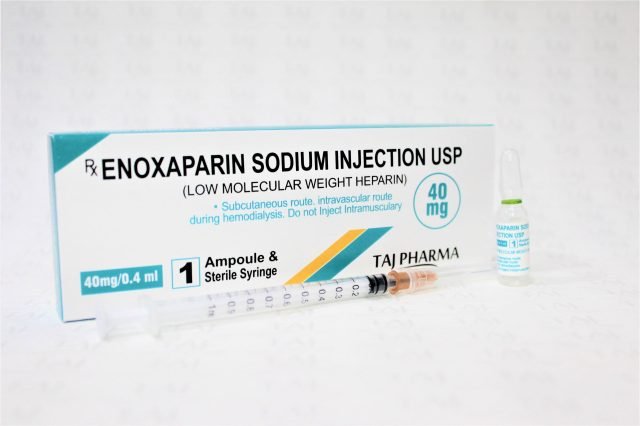
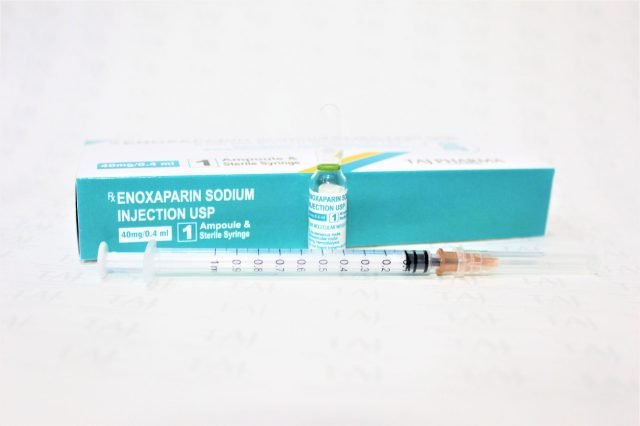
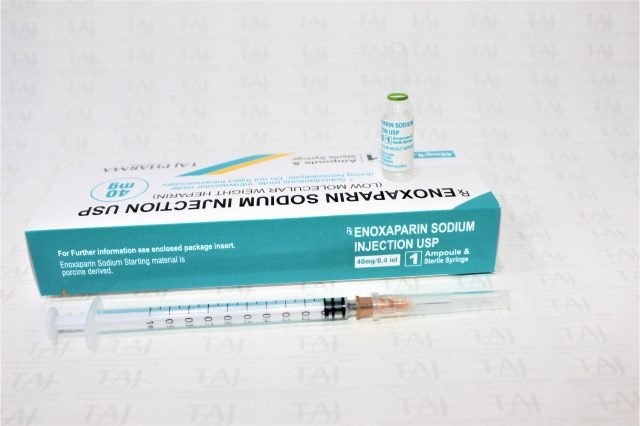
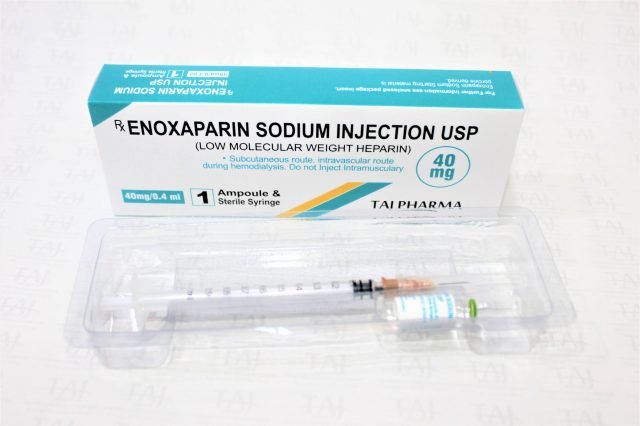
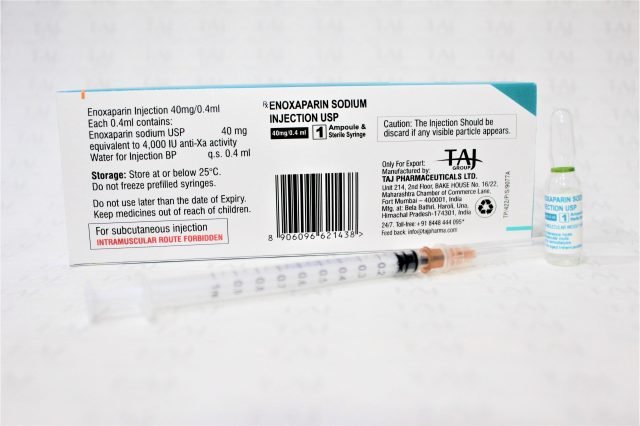
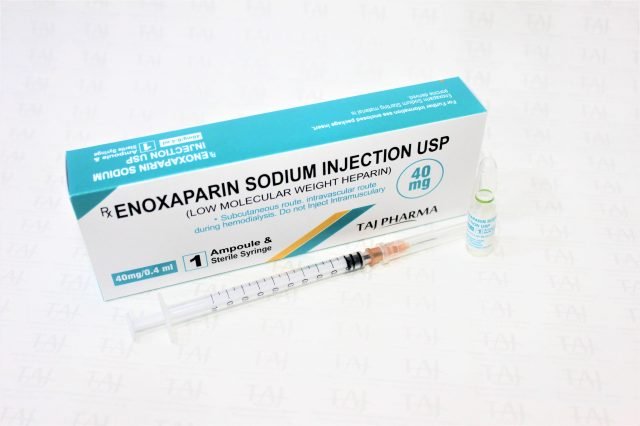
Enoxaparin Sodium Injection USP 40mg/0.4ml
-
Enoxaparin Sodium Injection USP 40mg/0.4ml
-
Enoxaparin Sodium Injection USP 40mg/0.4ml
-
Enoxaparin Sodium Injection USP 40mg/0.4ml
-
Enoxaparin Sodium Injection USP 40mg/0.4ml
-
Enoxaparin Sodium Injection USP 40mg/0.4ml
-
Enoxaparin Sodium Injection USP 40mg/0.4ml
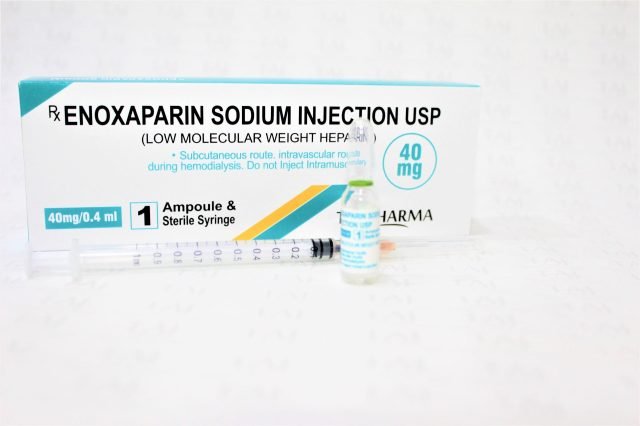

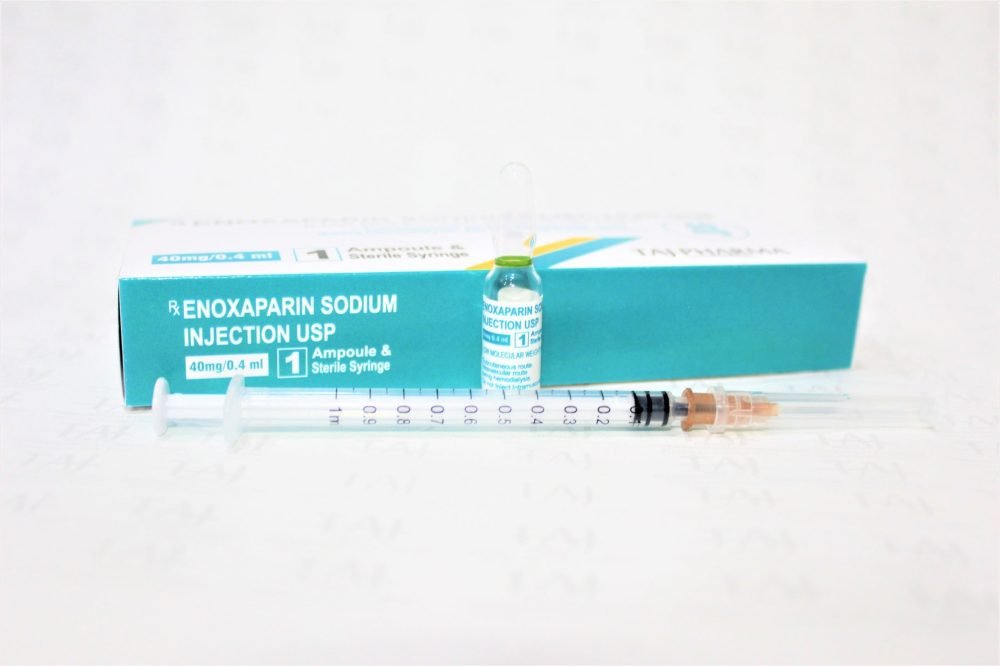
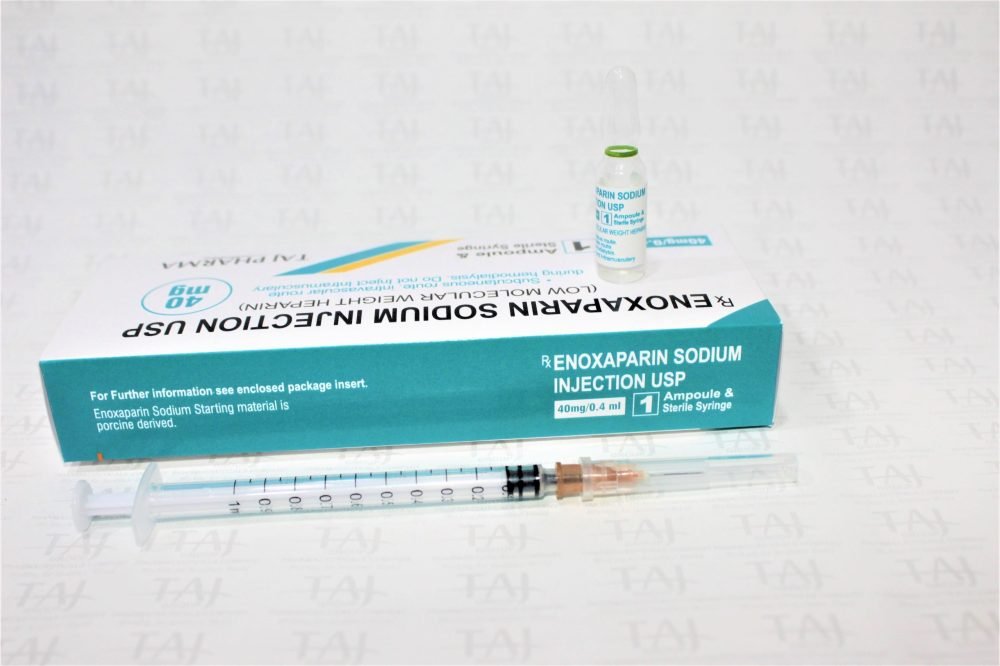
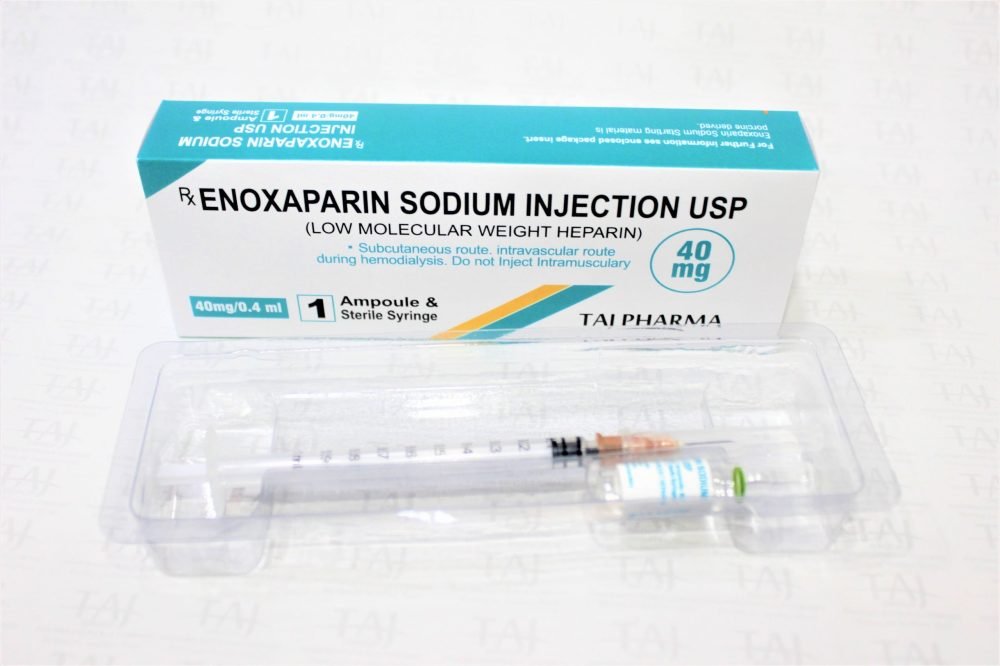
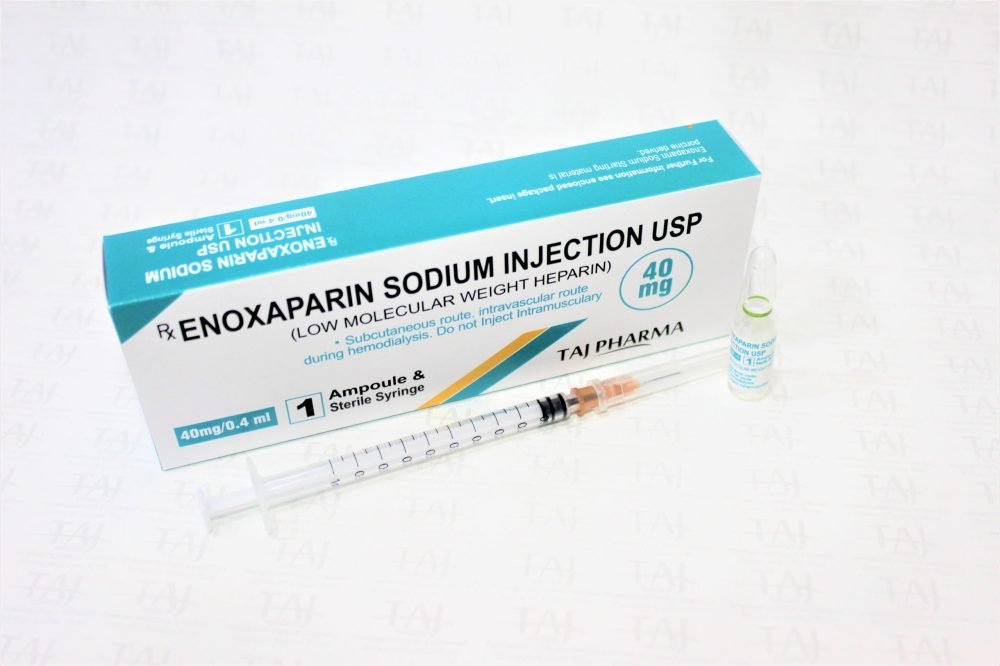
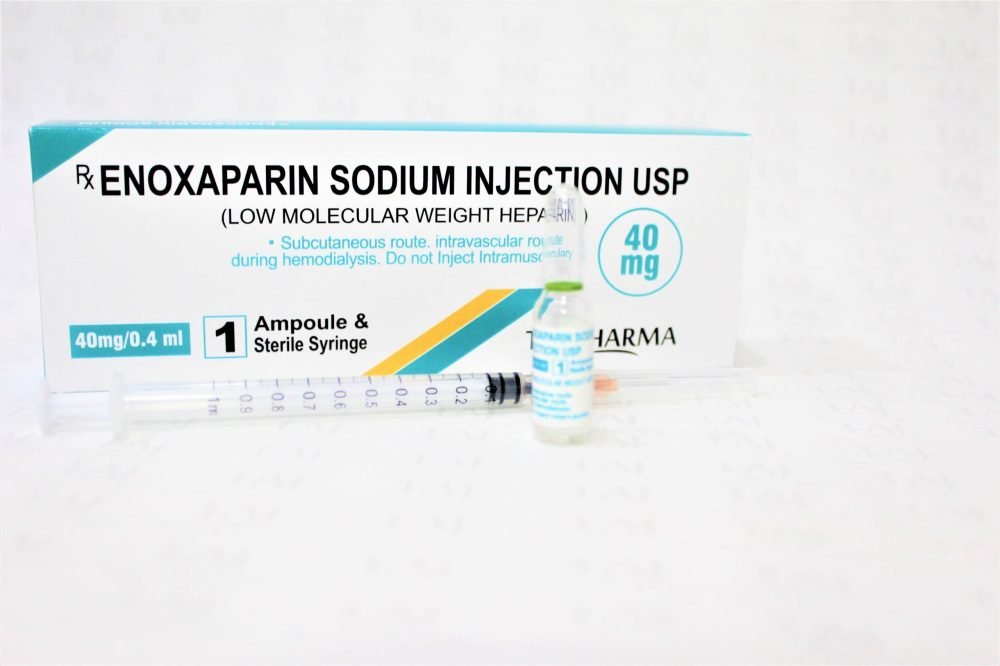
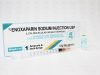
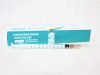
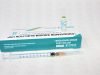
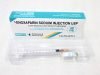
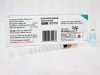
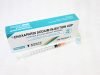

Enoxaparin Sodium Injection USP 40mg/0.4ml Technical Specification:
| Product Name: | Enoxaparin Sodium Injection USP (Low Molecular Weight Heparin) |
| Brand Name: | Generic |
| Strength: | 40mg/0.4ml |
| Dosage Form: | Liquid Injection |
| Packing: | 1 Ampoule & Sterile Syringe |
| Route of Administration: | For Subcutaneous route, Intravascular route during hemodialysis. Do not Inject Intramuscularly. |
| Pack Insert/Leaflet: | PIL (Patient Information Leaflet), SmPC (Summary Product Characteristics) |
| Regulatory Documents: | COA, MOA, COPP, FSC, Stability Studies, GMP, CTD Dossier |
| Therapeutic use: | Anti-Coagulant |
| Indication: | Enoxaparin injection is used to prevent deep venous thrombosis, a condition in which harmful blood clots form in the blood vessels of the legs. These blood clots can travel to the lungs and can become lodged in the blood vessels of the lungs, causing a condition called pulmonary embolism. |
| Storage: | Store at or below 25°C. Do not freeze pre-filled syringe. Do not use later than the date of Expiry. |
GENERIC NAME OF THE MEDICINAL PRODUCT:
- Enoxaparin Sodium Injection USP 40mg/0.4ml
QUALITATIVE AND QUANTITATIVE COMPOSITION:
- Enoxaparin Sodium Injection USP 40mg/0.4ml
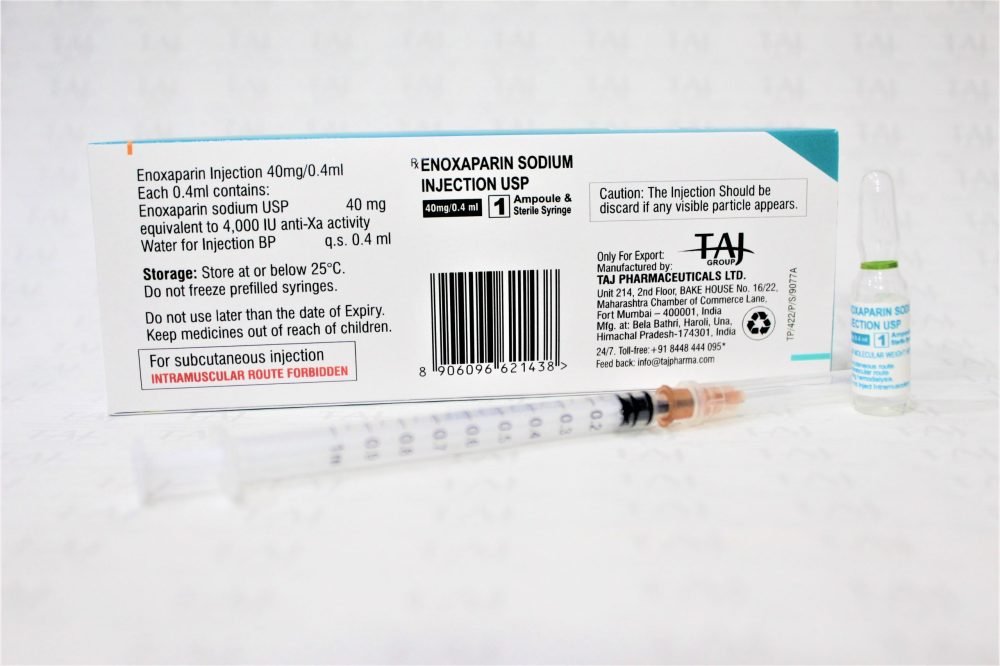
Each 0.4ml contains:
Enoxaparin Sodium USP………………40mg
Equivalent to 4,000 IU anti-Xa activity
Water for Injection BP……………. q.s. 0.4ml
THERAPEUTIC INDICATIONS:
Enoxaparin Sodium Injection USP is used to prevent deep venous thrombosis, a condition in which harmful blood clots form in the blood vessels of the legs. These blood clots can travel to the lungs and can become lodged in the blood vessels of the lungs, causing a condition called pulmonary embolism.
DIRECTION OF USE:
For Subcutaneous route, Intravascular route during hemodialysis.
Intramuscular Route Forbidden.
For Further information see enclosed package insert.
CAUTION & WARNING:
CAUTION: The injection should be discard if any visible particle appears.
Enoxaparin Sodium Starting material is porcine derived.
Warning: Not to be sold by retail without the prescription of a Registered Medical Practitioner.
STORAGE & DOSAGE:
Storage: Store at or below 25°C.
Do not freeze pre-filled syringe.
Do not use later than the date of Expiry.
Keep all medicines out of reach of children.
Dosage: As directed by the Physician.
Why Taj Pharmaceuticals?
Explore Taj Pharma’s Enoxaparin Sodium Injection, a leading choice in anticoagulant therapy. Our product is renowned for its effectiveness in preventing and treating blood clots, reducing the risk of deep vein thrombosis (DVT) and pulmonary embolism. With a commitment to stringent quality standards and extensive research, Taj Pharma ensures that patients receive a safe and reliable medication. Our Enoxaparin Sodium Injection is a testament to our dedication to improving patient outcomes. Whether you’re a healthcare professional seeking a trusted anticoagulant or a patient looking for a reliable solution, Taj Pharma’s legacy of pharmaceutical excellence makes us your ideal partner in healthcare. Count on Taj Pharma for innovative healthcare solutions, and choose Enoxaparin Sodium Injection for peace of mind in managing thrombotic disorders.
we further highlight the product’s effectiveness in preventing and treating blood clots, specifying its role in reducing the risk of conditions like deep vein thrombosis (DVT) and pulmonary embolism. It also reinforces Taj Pharma’s commitment to quality and patient safety while addressing both healthcare professionals and patients who might be searching for information about Enoxaparin Sodium Injection.
What is Enoxaparin Sodium Injection and its use?
Enoxaparin Sodium Injection is a medication that belongs to a class of drugs known as low molecular weight heparins (LMWHs). It is a blood thinner or anticoagulant medication that is used for various medical purposes. Here’s a brief overview of Enoxaparin Sodium Injection and its common uses:
- Prevention and Treatment of Blood Clots: Enoxaparin is often prescribed to prevent the formation of blood clots. This is important in situations where the risk of clot formation is increased, such as after certain surgeries (like hip or knee replacement surgery), during hospitalization for medical conditions that make clot formation more likely, or in patients who are immobilized for an extended period.
- Treatment of Deep Vein Thrombosis (DVT): Enoxaparin is used to treat deep vein thrombosis, a condition where blood clots form in the deep veins of the legs. These clots can be dangerous if they break free and travel to the lungs (pulmonary embolism).
- Prevention of Pulmonary Embolism: Enoxaparin may be prescribed to prevent pulmonary embolism, a life-threatening condition where blood clots travel to the lungs and block blood flow.
- Unstable Angina and Non-ST-Segment Elevation Myocardial Infarction (NSTEMI): It is sometimes used in combination with other medications to treat unstable angina or NSTEMI, both of which are heart-related conditions.
- Anticoagulant Bridge Therapy: Enoxaparin can be used as a bridge therapy in patients who require temporary interruption of oral anticoagulants (e.g., warfarin) for surgical procedures.
Enoxaparin works by preventing the formation of new blood clots and reducing the size of existing clots. It does this by inhibiting certain blood-clotting factors.
Enoxaparin Sodium Injection should only be used under the guidance and prescription of a healthcare professional. The dosage and duration of treatment can vary depending on the specific medical condition being treated, the patient’s individual health factors, and other medications they may be taking. Additionally, patients using Enoxaparin should be closely monitored for any signs of bleeding, as it can increase the risk of bleeding complications.
How does Enoxaparin Sodium Injection Work?
Enoxaparin Sodium Injection works as an anticoagulant (blood thinner) by primarily targeting and inhibiting specific factors involved in the blood clotting process. It belongs to a class of drugs known as low molecular weight heparins (LMWHs), which are derived from heparin, a natural anticoagulant found in the body. Here’s how Enoxaparin Sodium Injection works:
- Inhibition of Factor Xa: Enoxaparin primarily targets Factor Xa, a critical enzyme in the coagulation cascade. Factor Xa plays a central role in the conversion of prothrombin to thrombin, a key step in blood clot formation. By inhibiting Factor Xa, Enoxaparin interferes with this conversion process, ultimately reducing the formation of thrombin.
- Reduction in Thrombin Formation: Thrombin is an enzyme that converts soluble fibrinogen into insoluble strands of fibrin, which form the framework of a blood clot. By inhibiting Factor Xa, Enoxaparin indirectly reduces the formation of thrombin, leading to less fibrin formation.
- Prevention of Clot Propagation: Enoxaparin’s inhibition of thrombin formation and fibrin formation helps prevent the further growth and propagation of existing blood clots. This is particularly important in conditions like deep vein thrombosis (DVT) and pulmonary embolism, where the aim is to prevent the clot from becoming larger or breaking free and traveling to other parts of the body.
- Prevention of New Clot Formation: Enoxaparin also helps prevent the formation of new blood clots. This is crucial in situations where the risk of clot formation is elevated, such as during and after surgery or in medical conditions that predispose individuals to clot formation.
Enoxaparin Sodium Injection has a more predictable and longer duration of action compared to unfractionated heparin (another anticoagulant), making it suitable for subcutaneous administration and once- or twice-daily dosing in many clinical settings. The dosage and duration of Enoxaparin treatment are determined by a healthcare professional based on the patient’s specific medical condition and individual factors. Regular monitoring is often necessary to ensure that the medication is effective and that the patient’s blood remains within the desired anticoagulation range while avoiding excessive bleeding.
Benefits and Side effects of Enoxaparin Sodium Injection?
Enoxaparin Sodium Injection, like any medication, has both benefits and potential side effects. It is essential to use this medication under the supervision of a healthcare professional who can weigh the potential benefits against the risks for your specific medical condition. Here are the benefits and potential side effects of Enoxaparin:
Benefits:
- Blood Clot Prevention: Enoxaparin is effective at preventing the formation of blood clots, which is essential in various medical situations, such as after surgery, during hospitalization for certain conditions, or in individuals at risk for clot formation.
- Treatment of Blood Clots: It can be used to treat existing blood clots, such as deep vein thrombosis (DVT) or pulmonary embolism, helping to prevent further complications.
- Reduced Risk of Pulmonary Embolism: Enoxaparin can reduce the risk of pulmonary embolism, a potentially life-threatening condition where blood clots travel to the lungs.
- Bridge Therapy: It is sometimes used as a bridge therapy for patients who require temporary interruption of oral anticoagulants (e.g., warfarin) for surgical procedures.
Potential Side Effects:
- Bleeding: The most common side effect of Enoxaparin is bleeding. This can range from minor bruising and nosebleeds to more serious bleeding, including gastrointestinal bleeding or bleeding into the brain. If you notice any signs of excessive bleeding, such as unusual bruising, blood in the urine or stool, or severe headaches, you should seek medical attention immediately.
- Thrombocytopenia: Enoxaparin can rarely cause a decrease in platelet count, a condition known as thrombocytopenia. This can increase the risk of bleeding and may require discontinuation of the medication.
- Injection Site Reactions: Since Enoxaparin is typically administered as a subcutaneous injection, there may be mild pain, redness, or swelling at the injection site.
- Allergic Reactions: While rare, some individuals may experience allergic reactions to Enoxaparin, which can manifest as rash, itching, swelling, severe dizziness, or difficulty breathing. Immediate medical attention is necessary if these symptoms occur.
- Osteoporosis: Long-term use of Enoxaparin can contribute to bone loss and increase the risk of osteoporosis, especially with high doses or prolonged treatment.
- Elevated Liver Enzymes: Enoxaparin can rarely lead to an increase in liver enzymes, which may require monitoring.
It’s crucial to communicate with your healthcare provider about any side effects or concerns you experience while taking Enoxaparin. The benefits of preventing or treating blood clots often outweigh the potential risks, but the medication should be used judiciously and according to your healthcare provider’s recommendations. They can monitor your condition and make adjustments to your treatment plan as needed to minimize side effects and maximize benefits.
Frequently asked questions (FAQs) about Enoxaparin Sodium Injection:
- What is Enoxaparin Sodium Injection used for?
Enoxaparin is used to prevent and treat blood clots in various medical situations, such as after surgery, during hospitalization for certain conditions, and in individuals at risk for clot formation.
- How does Enoxaparin work?
Enoxaparin is an anticoagulant that works by inhibiting Factor Xa, a key enzyme in the blood clotting cascade. It reduces the formation of thrombin and fibrin, which are essential components of blood clots.
- How is Enoxaparin administered?
Enoxaparin is typically administered as a subcutaneous injection, which means it is injected just under the skin. The injection site is often the abdomen or thigh.
- What is the recommended dosage of Enoxaparin?
The dosage of Enoxaparin varies depending on the specific medical condition being treated and individual patient factors. It is determined by a healthcare professional.
- How often is Enoxaparin injected?
The frequency of injections depends on the treatment indication. It can range from once daily to twice daily.
- Are there any dietary restrictions while taking Enoxaparin?
There are typically no specific dietary restrictions while taking Enoxaparin. However, it’s essential to follow any dietary recommendations given by your healthcare provider if you have underlying medical conditions.
- What are the common side effects of Enoxaparin?
The most common side effect is bleeding. Other potential side effects include injection site reactions, thrombocytopenia, and, rarely, allergic reactions.
- Can I drink alcohol while taking Enoxaparin?
Moderate alcohol consumption is generally considered safe while taking Enoxaparin. However, it’s essential to discuss alcohol use with your healthcare provider, as excessive alcohol consumption can increase the risk of bleeding.
- Can Enoxaparin be used during pregnancy and breastfeeding?
Enoxaparin may be used during pregnancy when the benefits outweigh the risks, especially in individuals with a history of blood clots. It can also be used while breastfeeding, but this should be discussed with a healthcare provider.
- How should I store Enoxaparin Sodium Injection?
Enoxaparin should be stored as directed by the manufacturer and kept out of reach of children. Typically, it is stored at room temperature.
- What should I do if I miss a dose of Enoxaparin?
If you miss a dose, take it as soon as you remember unless it’s close to the time for your next dose. Do not double the dose to catch up.
- Can Enoxaparin interact with other medications?
Yes, Enoxaparin can interact with other medications, including some overthecounter drugs and herbal supplements. It’s crucial to inform your healthcare provider about all the medications and supplements you are taking.
- How long will I need to take Enoxaparin?
The duration of Enoxaparin treatment varies depending on the medical condition being treated and individual factors. Your healthcare provider will determine the appropriate duration of treatment.
As Enoxaparin Sodium Injection Exporters; We can cater to export business queries from the following geographies. We are exporting our Enoxaparin Sodium Injection product in the Following Countries-
Russia and CIS Countries: Azerbaijan, Armenia, Belarus, Georgia, Kazakhstan, Kyrgyzstan, Moldova, Russia, Tajikistan, Turkmenistan, Uzbekistan and Ukraine
GCC/ Middle East Countries: Saudi Arabia, Yemen, Oman, Bahrain, UAE, Lebanon, Jordan, and Iraq.
African Countries: Nigeria, Tanzania, Sudan, Zambia, Benin, Angola, Liberia
Southeast Asia: Cambodia, Indonesia, Laos, Malaysia, Myanmar, Philippines, Singapore, Thailand, Vietnam, Brunei Darussalam
Other Asian Countries: Nepal, Myanmar, Malaysia, Cambodia, Bhutan, Sri Lanka, Mauritius
Enoxaparin Sodium Injection Regulatory Documents:
- Certificate of Analysis (COA)
- Method of Analysis (MOA)
- Stability Data (Accelerated stability / Long-term stability / Zone 4b)
- CTD Dossier / ACTD Dossiers / eCTD Dossiers
- Certificate of Pharmaceuticals Product (COPP)
- Free Sale Certificate (FSC)
Contact the most reliable manufacturer of Enoxaparin Sodium Injection, Taj Pharmaceuticals Limited, to get bulk quantities at a reasonable price.
To Place Orders:
Direct line: +91 8448 444 095 / WhatsApp +91 74 0000 9975 / 74 0000 9976
E-Mail: info@tajpharma.com
Toll free: 1-800-222-434 / Toll free: 1-800-222-825
General EPA BX: +91 22 2637 4592 / +91 22 2637 4593
Fax No: +91 22 2634 1274
GENERIC NAME OF THE MEDICINAL PRODUCT:
QUALITATIVE AND QUANTITATIVE COMPOSITION:
Each 0.4ml contains:
Enoxaparin Sodium USP……………...40mg
Equivalent to 4,000 IU anti-Xa activity
Water for Injection BP……………. q.s. 0.4ml
THERAPEUTIC INDICATIONS:
DIRECTION OF USE:
Intramuscular Route Forbidden.
For Further information see enclosed package insert.
CAUTION & WARNING:
Enoxaparin Sodium Starting material is porcine derived.
WARNING: Not to be sold by retail without the prescription of a Registered Medical Practitioner.
STORAGE & DOSAGE:
Do not freeze pre-filled syringe.
Do not use later than the date of Expiry.
Keep all medicines out of reach of children.
Dosage: As directed by the Physician.