-
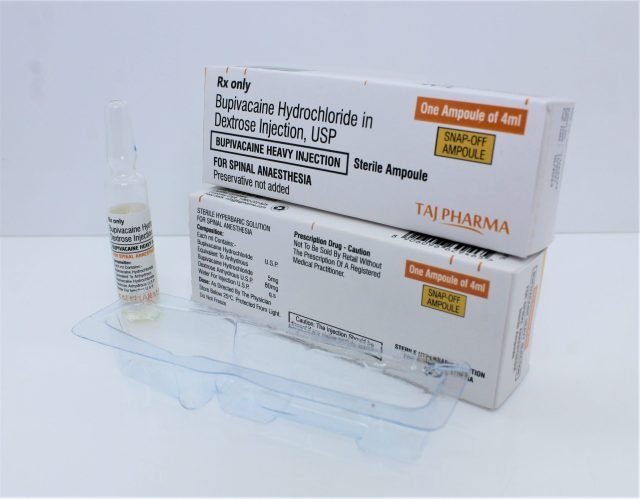
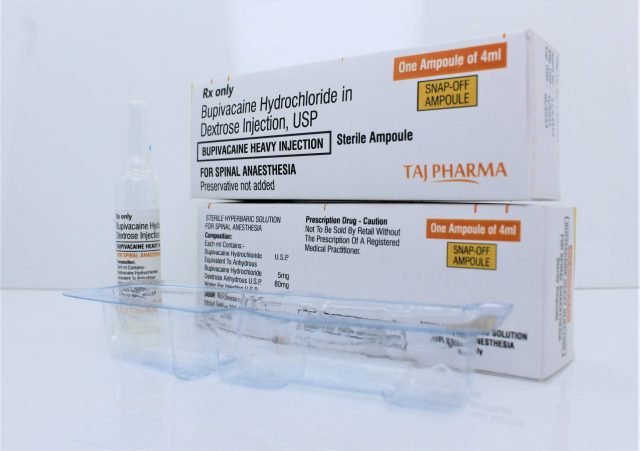
Bupivacaine Hydrochloride with Dextrose Injection USP 0.5%
-
Bupivacaine Hydrochloride with Dextrose Injection USP 0.5%
-
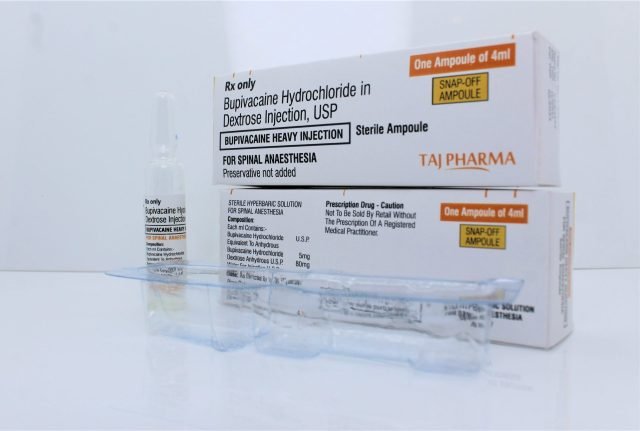
Bupivacaine Hydrochloride with Dextrose Injection USP 0.5%
-
Bupivacaine Hydrochloride with Dextrose Injection USP 0.5%
-
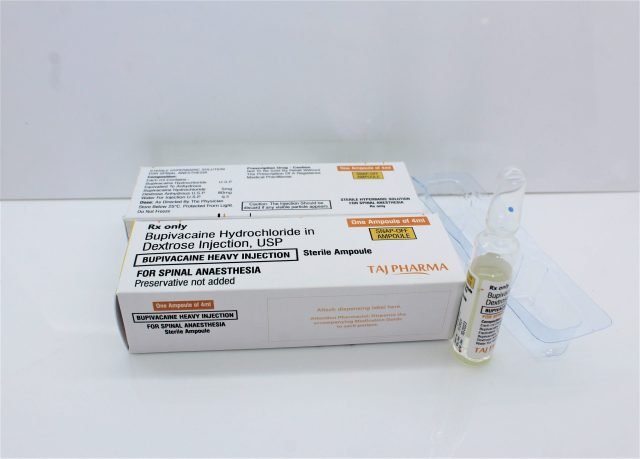
Bupivacaine Hydrochloride with Dextrose Injection USP 0.5%
-
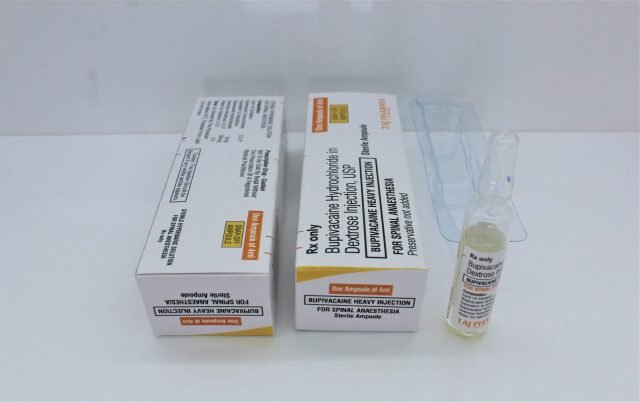
Bupivacaine Hydrochloride with Dextrose Injection USP 0.5%
-
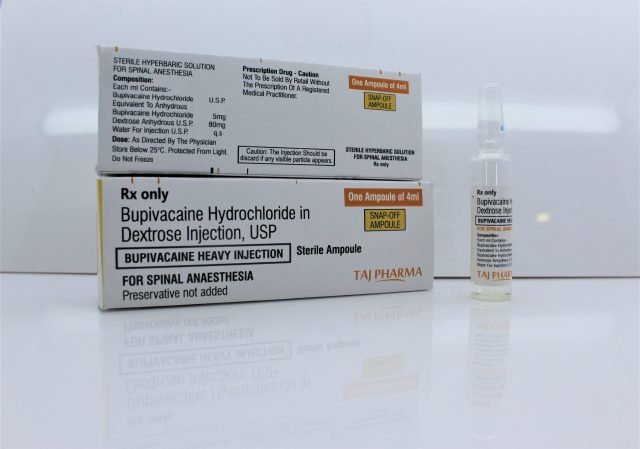
Bupivacaine Hydrochloride with Dextrose Injection USP 0.5%
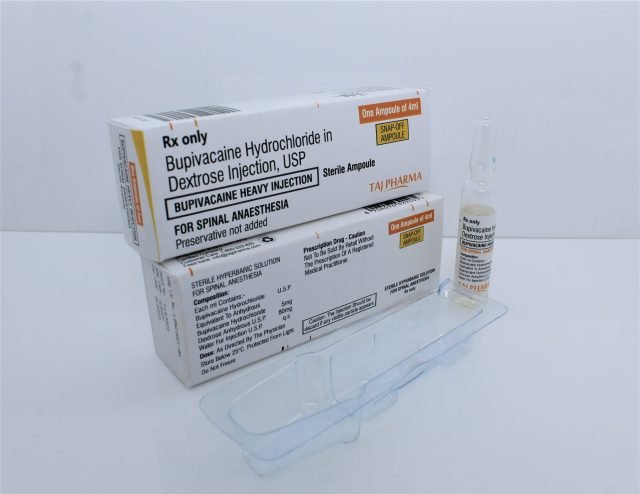
-
Bupivacaine Hydrochloride with Dextrose Injection USP 0.5%
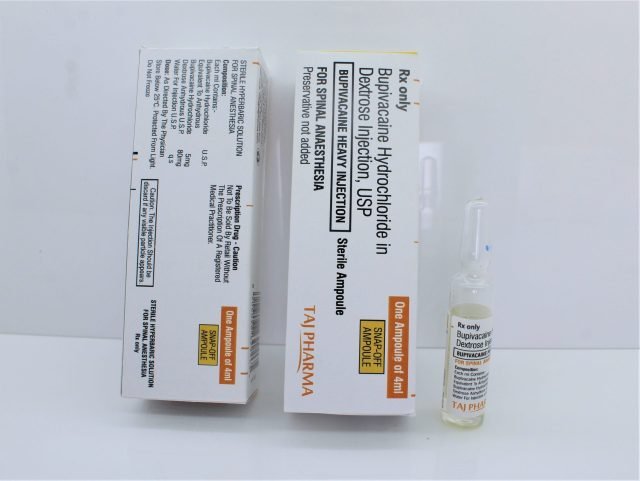
-
Bupivacaine Hydrochloride with Dextrose Injection USP 0.5%
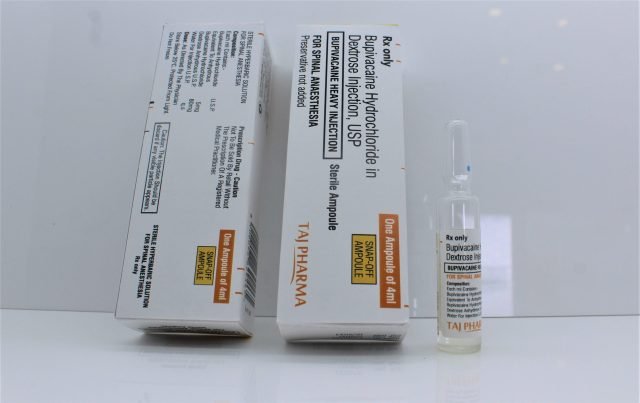
-
Bupivacaine Hydrochloride with Dextrose Injection USP 0.5%
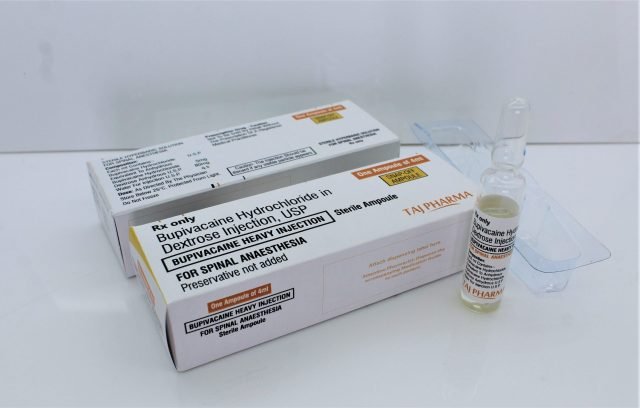

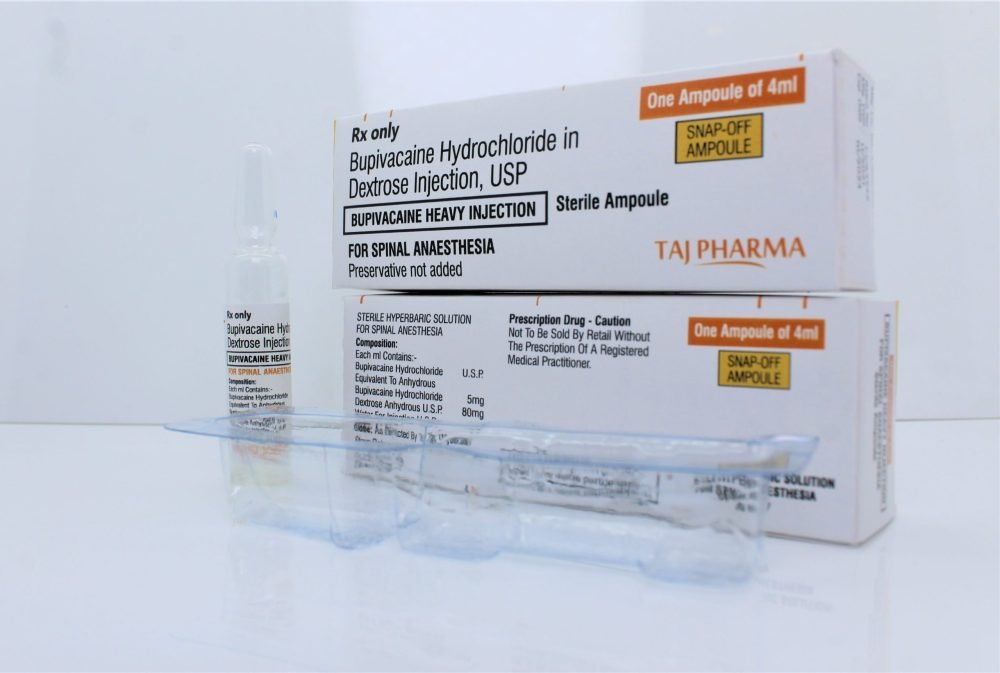
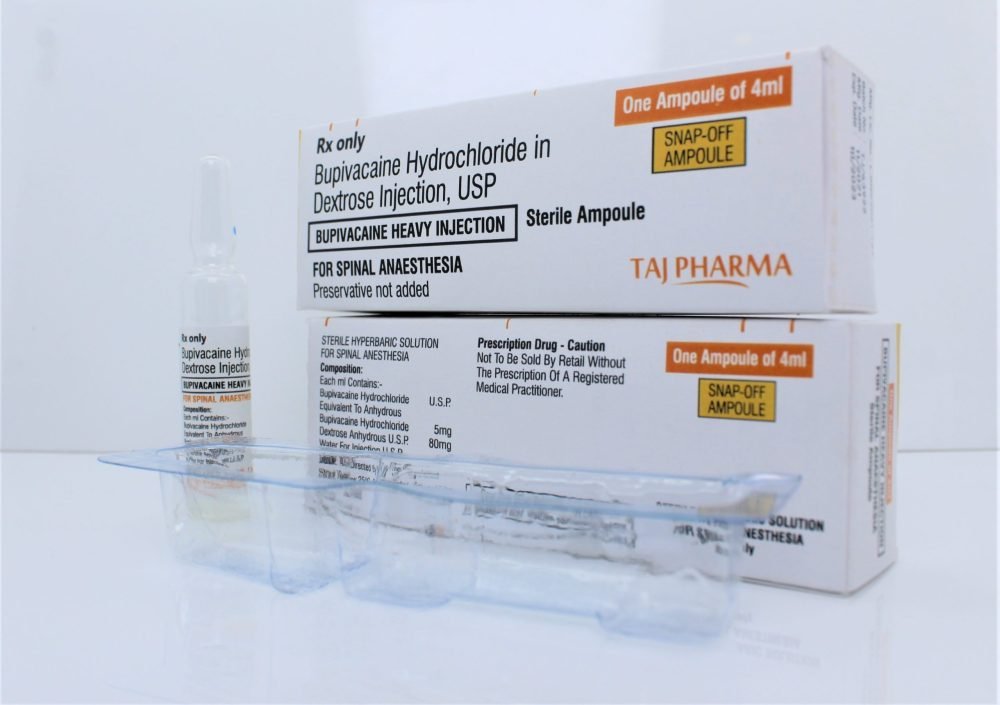
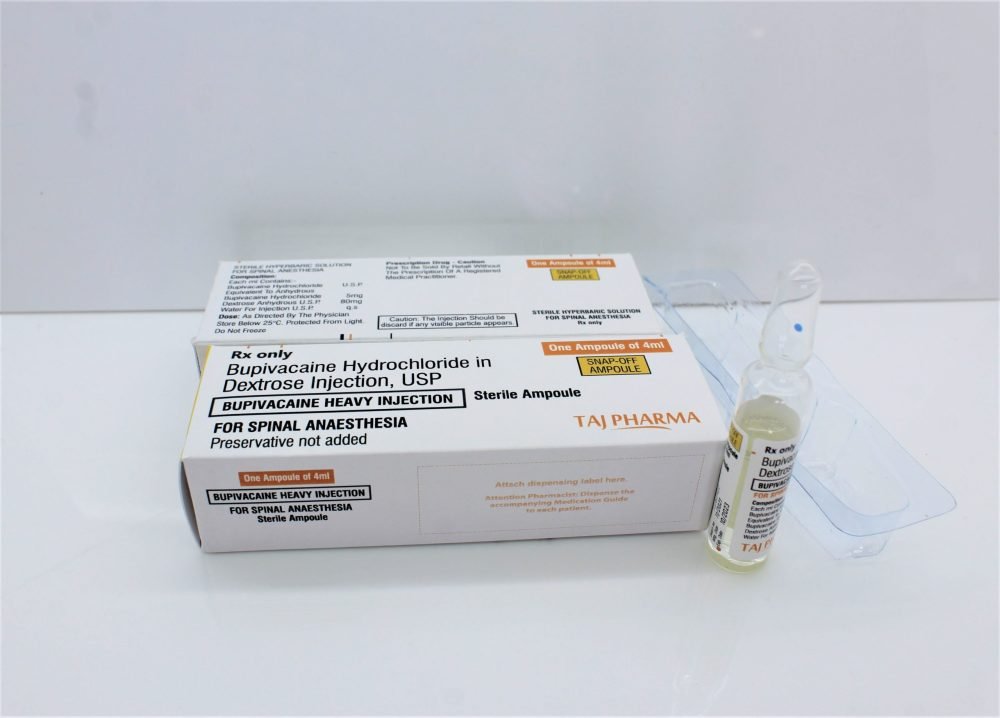
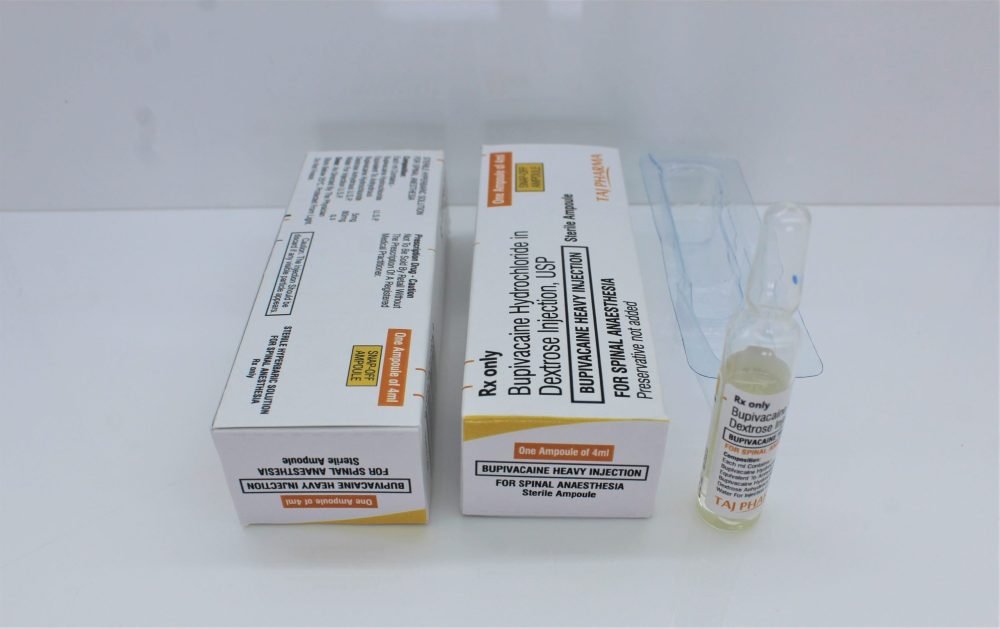
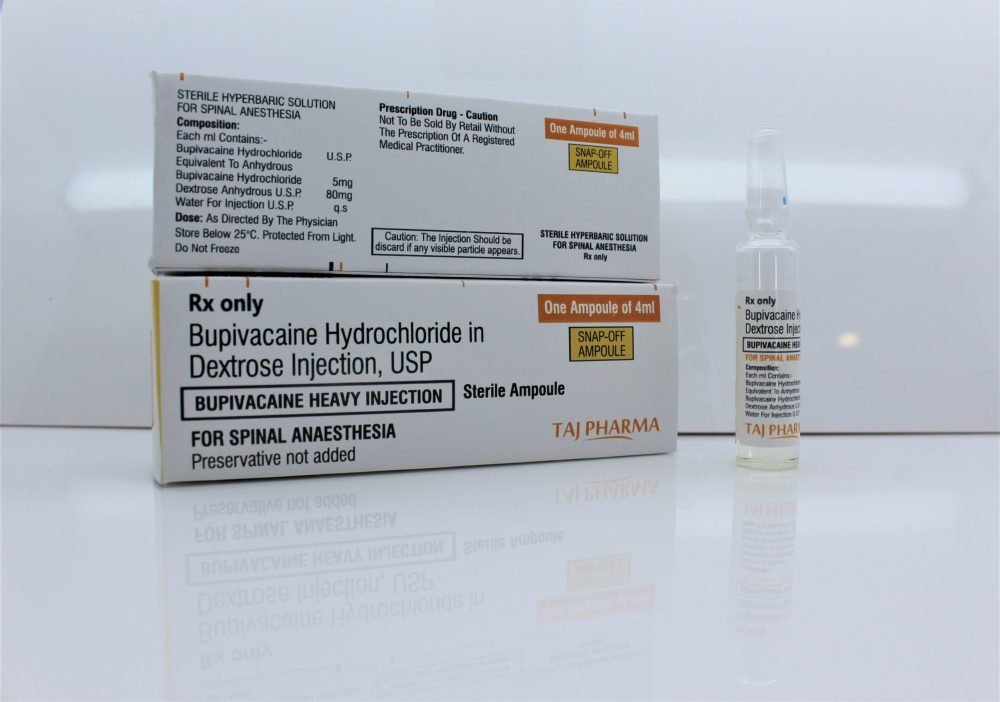
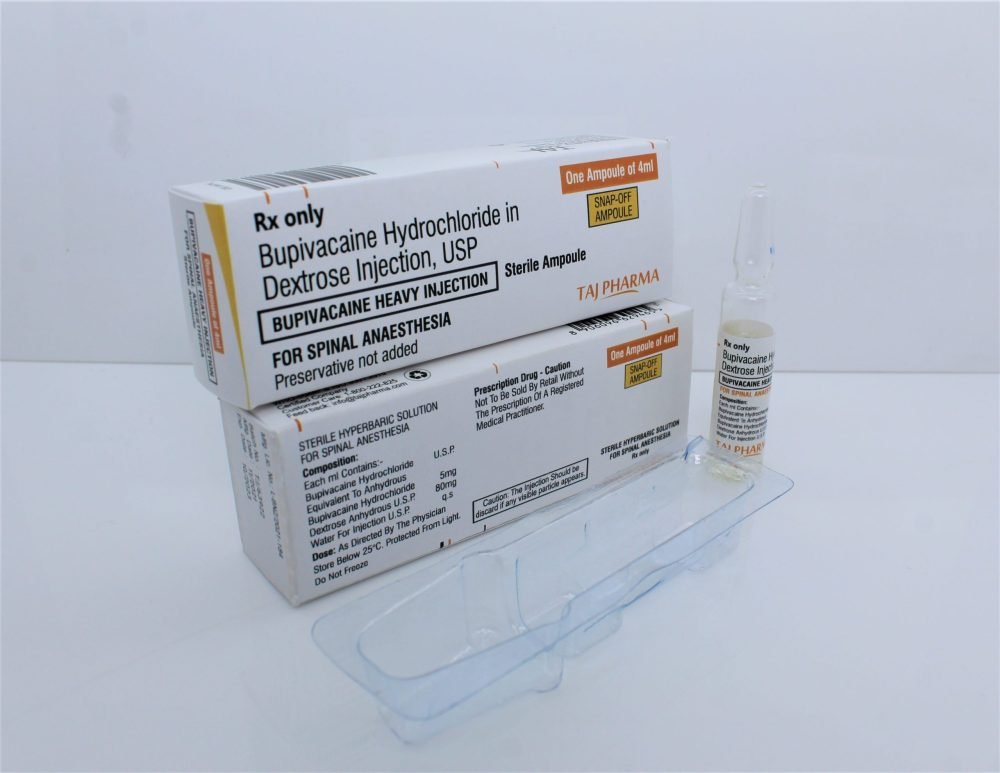
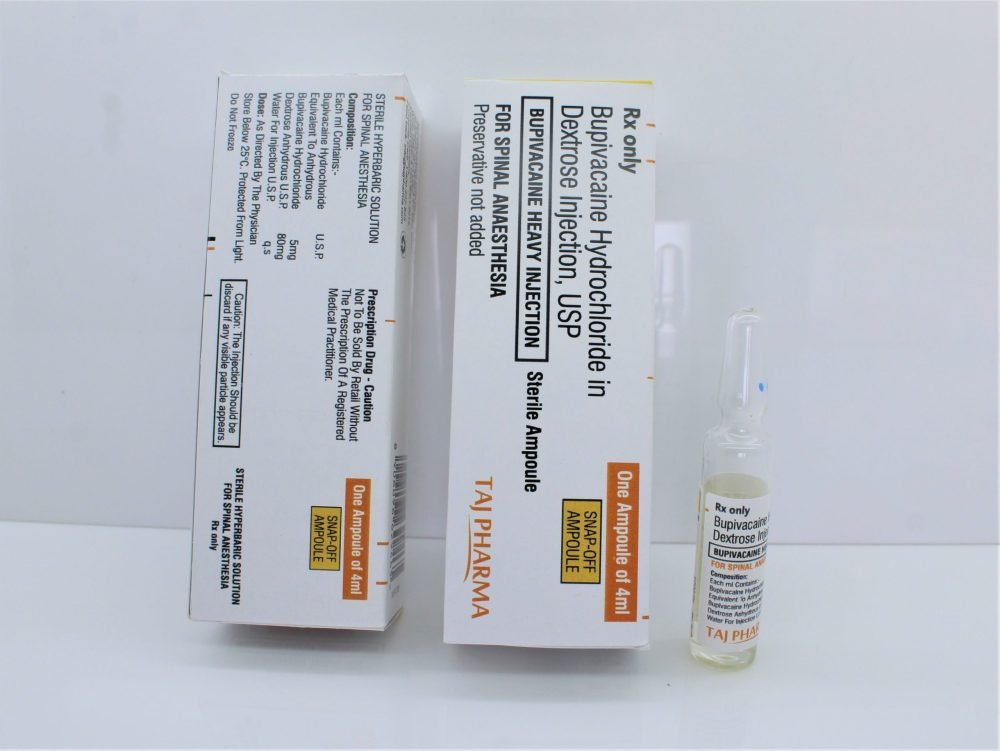
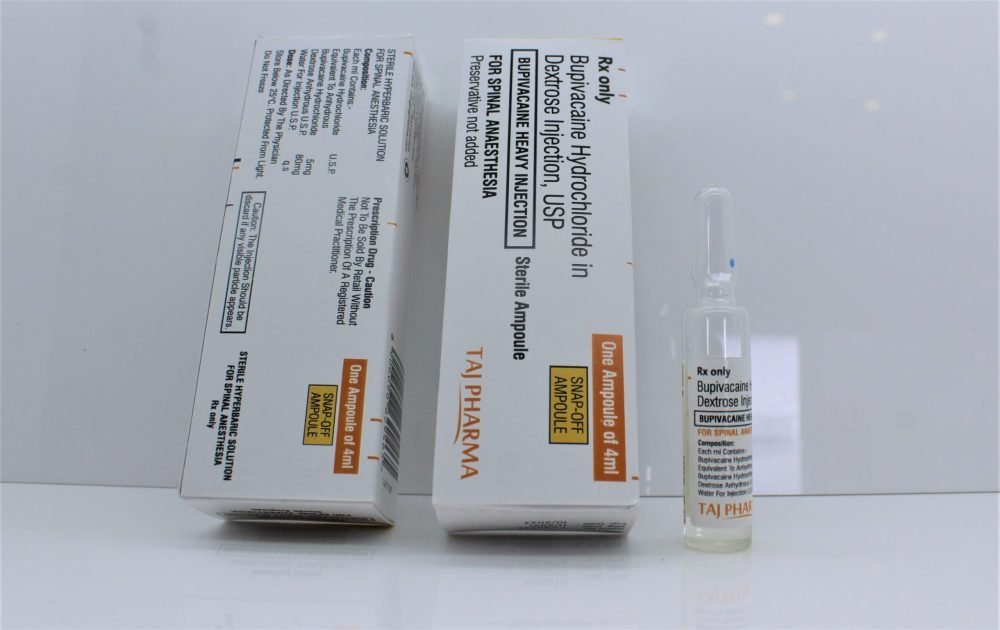
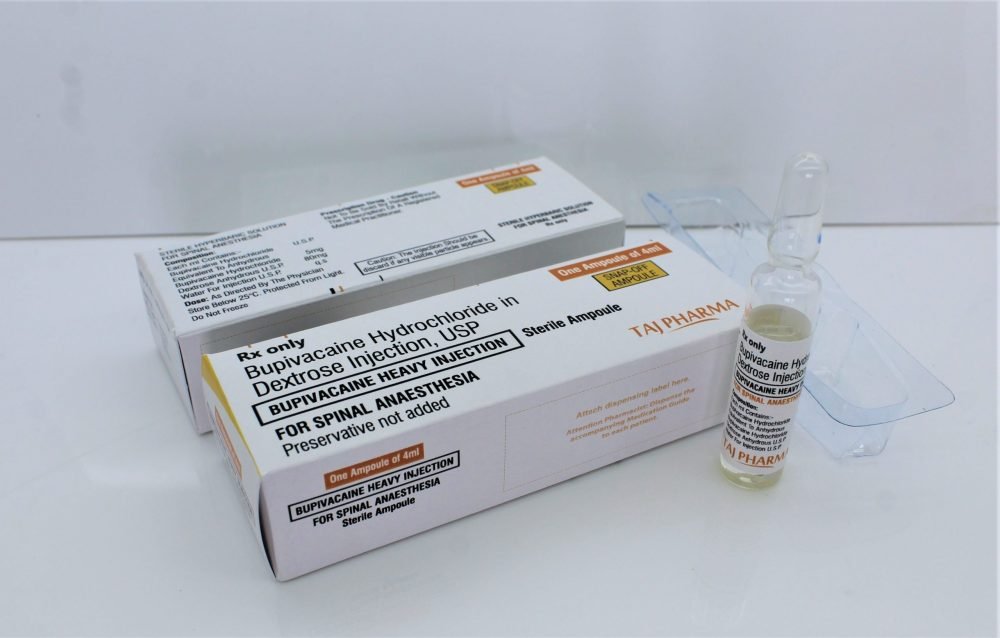
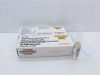
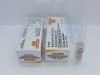
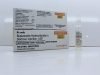
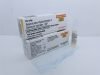
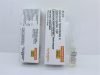
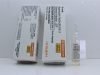
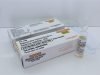
Bupivacaine Hydrochloride with Dextrose Injection USP 0.5% Technical Specification:
| Product Name: | Bupivacaine Hydrochloride with Dextrose Injection USP |
| Brand Name: | Generic |
| Strength: | 7.5mg/1ml (0.75% in 8.25% Dextrose), 5mg/1ml (0.5%) |
| Dosage Form: | Liquid Injection (Sterile Hyperbaric solution) |
| Packing: | 2ml Single Dose Ampoule (0.75%), 4ml Single Dose Ampoule (0.5%) |
| Route of Administration: | For Spinal Anesthesia |
| Pack Insert/Leaflet: | PIL (Patient Information Leaflet), SmPC (Summary Product Characteristics) |
| Regulatory Documents: | COA, MOA, COPP, FSC, Stability Studies, GMP, CTD Dossier |
| Therapeutic use: | Local anesthetic |
| Indication: | Bupivacaine Hydrochloride in Dextrose Injection is indicated for the production of subarachnoid block (spinal anesthesia). |
| Storage: | Store at temperature 20°C to 25°C (68°F to 77F); excursions permitted between 15°C to 30°C (59°F to 86°F). Protect from light. |
GENERIC NAME OF MEDICINAL PRODUCT:
- Bupivacaine Hydrochloride with Dextrose Injection USP 0.5%
QUALITATIVE AND QUANTITATIVE COMPOSITION:
- Bupivacaine Hydrochloride with Dextrose Injection USP 0.5%
Each ml contains:
Bupivacaine Hydrochloride USP
Equivalent to Anhydrous
Bupivacaine Hydrochloride ……………….5mg
Dextrose Anhydrous USP …………………80mg
Water for Injections USP..…………………….q.s
THERAPEUTIC INDICATION:
Bupivacaine Hydrochloride in Dextrose Injection is indicated for the production of subarachnoid block (spinal anesthesia).
DIRECTION OF USE:
For Spinal Anesthesia.
See enclosed leaflet for further information.
CAUTION & Warning:
CAUTION: Do not use in case any foreign particulate matter is observed inside the ampoule.
These ampoules bear a color band signifying that they are easy break ampoules.
Warning: To sold by the retail on the prescription of a Registered Medical Practitioner.
STORAGE & DOSAGE:
Storage: Store at temperature 20°C to 25°C (68°F to 77F); excursions permitted between 15°C to 30°C (59°F to 86°F). Protect from light.
KEEP MEDICINE OUT OF REACH OF CHILDREN.
Dosage: As directed by the Physician.
Why Taj Pharmaceuticals?
Experience the excellence of Taj Pharma’s Bupivacaine Hydrochloride with Dextrose Injection USP, a trusted solution for effective pain control in various medical settings. Bupivacaine, combined with dextrose, offers extended local anesthesia, making it ideal for surgical procedures, epidurals, and nerve blocks. Taj Pharma’s unwavering commitment to pharmaceutical excellence guarantees that each injection meets stringent quality standards, ensuring patient safety and satisfaction. Our dedication to advancing pain management reflects in every vial we produce. Choose Taj Pharma for Bupivacaine Hydrochloride with Dextrose Injection USP and provide your patients with the comfort and relief they deserve during their medical journey. Your trust is our priority.
What is Bupivacaine Hydrochloride with Dextrose Injection USP and its Use?
Bupivacaine Hydrochloride with Dextrose Injection USP is a medication that combines two active ingredients: Bupivacaine Hydrochloride and Dextrose. This injection is primarily used for its anesthetic properties, and its use can provide effective pain relief and local anesthesia. Here’s more information about Bupivacaine Hydrochloride with Dextrose Injection USP and its common uses:
Bupivacaine Hydrochloride:
- Bupivacaine is a local anesthetic agent belonging to the family of amide-type anesthetics. It works by blocking nerve signals in the body, leading to temporary loss of sensation in the area where it is administered.
- Bupivacaine is known for its long duration of action, which makes it suitable for providing extended local anesthesia.
Dextrose:
- Dextrose is a form of glucose, a type of sugar. It is often added to medications as a diluent or carrier solution. In Bupivacaine Hydrochloride with Dextrose Injection, dextrose is used as a vehicle to deliver bupivacaine effectively.
Uses:
- Local Anesthesia: It is used to provide local anesthesia for various surgical procedures. The injection is administered at the surgical site or around nerves to block pain signals, allowing surgeons to perform procedures with reduced discomfort to the patient.
- Epidural Anesthesia: It can be administered epidurally (into the epidural space of the spine) to provide pain relief during labor and delivery or for postoperative pain management.
- Nerve Blocks: Bupivacaine injections are also used for nerve blocks to provide targeted pain relief for conditions such as chronic pain, regional pain syndromes, and neuropathic pain.
- Diagnostic and Therapeutic Procedures: Bupivacaine Hydrochloride with Dextrose Injection is used in certain diagnostic and therapeutic procedures, such as nerve conduction studies and pain management interventions.
It’s important to note that the specific use and dosage of Bupivacaine Hydrochloride with Dextrose Injection USP will be determined by a healthcare provider based on the patient’s medical condition and the nature of the procedure. The medication should be administered by trained medical professionals to ensure its safe and effective use. Like all medications, it may have potential side effects and contraindications, and patients should be closely monitored during and after administration.
How does Bupivacaine Hydrochloride with Dextrose Injection USP Work?
Bupivacaine Hydrochloride with Dextrose Injection USP works primarily as a local anesthetic, providing temporary loss of sensation in the area where it is administered. The two main components, bupivacaine hydrochloride and dextrose, contribute to its mechanism of action:
Bupivacaine Hydrochloride (Local Anesthetic):
- Bupivacaine is an amidetype local anesthetic. It works by blocking nerve impulses in the vicinity of its administration, primarily by inhibiting the influx of sodium ions into nerve cells.
- Nerve cells communicate through electrical signals, which involve the movement of sodium ions across the nerve cell membrane. Bupivacaine inhibits this movement by blocking sodium channels in the nerve cell membrane. As a result, it prevents the initiation and propagation of nerve signals.
- When Bupivacaine Hydrochloride with Dextrose Injection is injected into a specific area (e.g., around a surgical site, into the epidural space, or for nerve blocks), it interrupts the transmission of pain signals from the nerves in that area to the central nervous system. This leads to temporary numbness or loss of sensation in the region, effectively providing pain relief during medical procedures or for postoperative pain management.
Dextrose (Diluent):
- Dextrose, a form of glucose, serves as a diluent or carrier solution in the injection. It is used to dissolve and deliver bupivacaine effectively.
- Dextrose does not contribute directly to the anesthetic effect but is essential for ensuring the stability and compatibility of the medication.
The combination of bupivacaine hydrochloride and dextrose in the injection allows for the controlled delivery of bupivacaine, enabling targeted and prolonged local anesthesia. This can be particularly useful in surgical and medical procedures where pain relief and anesthesia are required. The duration of action of bupivacaine is longer compared to some other local anesthetics, making it suitable for procedures that require extended pain control.
Benefits of Bupivacaine Hydrochloride with Dextrose Injection USP:
- Effective Local Anesthesia: The primary benefit of Bupivacaine Hydrochloride with Dextrose Injection USP is its ability to provide effective local anesthesia. It is widely used in medical procedures to block pain signals, allowing for surgery, diagnostic tests, or therapeutic interventions with minimal discomfort to the patient.
- Extended Duration of Action: Bupivacaine is known for its relatively long duration of action compared to some other local anesthetics. This property makes it suitable for procedures that require prolonged pain relief.
- Reduced Systemic Effects: Bupivacaine primarily acts locally, which means it has a limited impact on the central nervous system when used correctly. This can reduce the risk of systemic side effects associated with some systemic pain medications.
- Versatility: Bupivacaine Hydrochloride with Dextrose Injection can be administered in various ways, including epidurally, intramuscularly, or directly at the surgical site. This versatility allows for tailored pain management approaches.
Side Effects and Considerations of Bupivacaine Hydrochloride with Dextrose Injection USP:
While Bupivacaine Hydrochloride with Dextrose Injection USP offers effective local anesthesia, it is essential to be aware of potential side effects and considerations:
- Local Anesthetic Complications: Common side effects at the injection site may include temporary numbness, tingling, or muscle weakness. These effects are usually transient and resolve as the anesthesia wears off.
- Risk of Systemic Toxicity: If administered incorrectly or in excessive amounts, bupivacaine can lead to systemic toxicity, which can affect the central nervous system, the heart, and other organs. This highlights the importance of precise administration by trained healthcare professionals.
- Allergic Reactions: While rare, allergic reactions to bupivacaine can occur. Signs may include itching, rash, or difficulty breathing. Immediate medical attention is required if such reactions occur.
- Cardiovascular Effects: Bupivacaine can affect the cardiovascular system, potentially leading to bradycardia (slow heart rate) or arrhythmias (abnormal heart rhythms), especially in cases of systemic toxicity.
- Neurological Effects: In rare cases, systemic toxicity may lead to seizures or central nervous system depression.
- Localized Side Effects: In some cases, patients may experience localized side effects, such as infection at the injection site, hematoma (collection of blood), or nerve damage. Proper sterile technique and careful injection site selection can minimize these risks.
- Individual Variability: Patients may respond differently to bupivacaine, and the duration and extent of anesthesia can vary among individuals.
It’s crucial for healthcare professionals to adhere to proper dosage guidelines and techniques when using Bupivacaine Hydrochloride with Dextrose Injection USP to maximize its benefits while minimizing potential risks. Patients should communicate any unusual or concerning symptoms to their healthcare provider during or after procedures involving this medication.
Frequently asked questions about Bupivacaine Hydrochloride with Dextrose Injection USP:
Certainly, here are some frequently asked questions (FAQs) about Bupivacaine Hydrochloride with Dextrose Injection USP:
- What is Bupivacaine Hydrochloride with Dextrose Injection USP, and what is its primary purpose?
Bupivacaine Hydrochloride with Dextrose Injection USP is a medication used for local anesthesia. It is commonly employed to block pain signals during surgical procedures, diagnostic tests, or therapeutic interventions.
- How does Bupivacaine Hydrochloride with Dextrose Injection work to provide anesthesia?
Bupivacaine, the active ingredient, works by blocking nerve signals in the area where it is injected. This interruption of pain signals results in temporary numbness and pain relief.
- What types of medical procedures is Bupivacaine Hydrochloride with Dextrose Injection used for?
It is used for a wide range of medical procedures, including surgery, epidurals during labor and delivery, nerve blocks for pain management, and diagnostic tests that require local anesthesia.
- How long does the anesthesia provided by Bupivacaine Hydrochloride with Dextrose Injection typically last?
The duration of anesthesia can vary but is generally longer than some other local anesthetics. It can provide several hours of pain relief.
- Are there any potential side effects associated with Bupivacaine Hydrochloride with Dextrose Injection?
Yes, there can be side effects, including localized effects such as temporary numbness or tingling. There is also a risk of systemic toxicity if administered incorrectly or in excessive amounts.
- How is Bupivacaine Hydrochloride with Dextrose Injection administered?
It can be administered by healthcare professionals via various routes, including epidural, intramuscular, or direct injection at the surgical site. The specific method depends on the procedure and patient needs.
- Is there a risk of allergic reactions to this medication?
While rare, allergic reactions to bupivacaine can occur. Symptoms may include itching, rash, or difficulty breathing. Immediate medical attention is needed if such reactions occur.
- Can Bupivacaine Hydrochloride with Dextrose Injection cause systemic toxicity?
Yes, if administered incorrectly or in excessive amounts, bupivacaine can lead to systemic toxicity, affecting the central nervous system and the cardiovascular system. Precise dosing and administration are crucial to avoid this.
- How should I prepare for a procedure involving Bupivacaine Hydrochloride with Dextrose Injection?
Your healthcare provider will provide specific instructions for preparation, which may include fasting before the procedure, discussing allergies, and providing informed consent.
- What should I do if I experience unusual or concerning symptoms during or after a procedure involving this medication?
If you experience any unexpected or concerning symptoms, such as severe numbness or tingling, difficulty breathing, or chest pain, seek immediate medical attention and inform your healthcare provider about the medication administered.
As Bupivacaine Hydrochloride with Dextrose Injection USP Exporters; We can cater to export business queries from the following geographies. We are exporting our Bupivacaine Hydrochloride with Dextrose Injection USP product in the Following Countries-
Russia and CIS Countries: Azerbaijan, Armenia, Belarus, Georgia, Kazakhstan, Kyrgyzstan, Moldova, Russia, Tajikistan, Turkmenistan, Uzbekistan and Ukraine
GCC/ Middle East Countries: Saudi Arabia, Yemen, Oman, Bahrain, UAE, Lebanon, Jordan, and Iraq.
African Countries: Nigeria, Tanzania, Sudan, Zambia, Benin, Angola, Liberia
Southeast Asia: Cambodia, Indonesia, Laos, Malaysia, Myanmar, Philippines, Singapore, Thailand, Vietnam, Brunei Darussalam
Other Asian Countries: Nepal, Myanmar, Malaysia, Cambodia, Bhutan, Sri Lanka, Mauritius
Bupivacaine Hydrochloride with Dextrose Injection USP Regulatory Documents:
- Certificate of Analysis (COA)
- Method of Analysis (MOA)
- Stability Data (Accelerated stability / Long-term stability / Zone 4b)
- CTD Dossier / ACTD Dossiers / eCTD Dossiers
- Certificate of Pharmaceuticals Product (COPP)
- Free Sale Certificate (FSC)
Contact the most reliable manufacturer of Bupivacaine Hydrochloride with Dextrose Injection USP, Taj Pharmaceuticals Limited, to get bulk quantities at a reasonable price.
To Place Orders:
Direct line: +91 8448 444 095 / WhatsApp +91 74 0000 9975 / 74 0000 9976
E-Mail: info@tajpharma.com
Toll free: 1-800-222-434 / Toll free: 1-800-222-825
General EPA BX: +91 22 2637 4592 / +91 22 2637 4593
Fax No: +91 22 2634 1274
GENERIC NAME OF MEDICINAL PRODUCT:
B. Bupivacaine Hydrochloride with Dextrose Injection USP 0.5%
QUALITATIVE AND QUANTITATIVE COMPOSITION:
Each ml contains:
Bupivacaine Hydrochloride USP
Equivalent to Anhydrous
Bupivacaine Hydrochloride ……………….7.5mg
Dextrose USP (monohydrate)
Equivalent to Anhydrous Dextose………82.5mg
Water for Injections USP..…………………….q.s
B. Bupivacaine Hydrochloride with Dextrose Injection USP 0.5%
Each ml contains:
Bupivacaine Hydrochloride USP
Equivalent to Anhydrous
Bupivacaine Hydrochloride ……………….5mg
Dextrose USP (monohydrate)
Equivalent to Anhydrous Dextose………80mg
Water for Injections USP..…………………….q.s
THERAPEUTIC INDICATION:
DIRECTION OF USE:
See enclosed leaflet for further information.
CAUTION & WARNING:
These ampoules bear a color band signifying that they are easy break ampoules.
Warning: To sold by the retail on the prescription of a Registered Medical Practitioner.
STORAGE & DOSAGE:
KEEP MEDICINE OUT OF REACH OF CHILDREN.
Dosage: As directed by the Physician.