Nigeria, a country with a population of over 225 million, making it the most populous nation in Africa. Nigeria’s pharmaceutical sector has been a subject of interest due to its rapid growth potential, challenges, and opportunities for both local and international pharmaceutical companies. Here, we provide a comprehensive overview of Nigeria’s pharmaceutical industry, highlighting key aspects that investors and stakeholders should be aware of.
Historical Background

Nigeria’s modern history is intertwined with British colonialization in the 19th century. It gained independence in 1960, but not without experiencing a devastating civil war from 1967 to 1970 when the breakaway state of Biafra declared its independence. The country witnessed a series of military dictatorships and civilian governments until achieving a stable democracy in the 1999 presidential elections.
Nigeria’s multicultural society boasts more than 250 ethnic groups and over 500 distinct languages. The three largest ethnic groups are the Hausa in the north, Yoruba in the west, and Igbo in the east. However, ethnic and religious divisions pose challenges to national unity, with separatist aspirations gaining momentum in various regions.
Security Challenges
Nigeria faces significant security challenges, including a jihadist insurgency in the north, conflicts between herders and farmers over resources, widespread banditry and kidnappings, a separatist insurgency in the southeast, and militant groups in the Niger Delta region. Despite being one of the world’s largest oil producers, few Nigerians, especially in oil-producing areas, have reaped the benefits of this resource.
Pharmaceutical Market Overview
Nigeria’s Growing Pharmaceutical Market
The Nigerian pharmaceutical market is experiencing consistent growth, with an annual growth rate of over 9%. Over 70% of medicines in Nigeria are currently imported, accounting for approximately $4 billion within Nigeria’s total healthcare spending of $10 billion. Out-of-pocket expenses for healthcare can be as high as 62% of total expenditure, primarily due to limited health insurance coverage.
However, there is hope on the horizon, as in May 2022, the National Government of Nigeria signed a new National Health Insurance Act, which mandates health insurance for workers and all Nigerians. This initiative is expected to bring significant changes in healthcare access and drug acquisition in the coming years.
Pharmaceutical Manufacturing in Nigeria

Nigeria boasts more than 130 pharmaceutical companies, primarily focusing on producing medicines listed as essential. Analgesics, antirheumatics, antipyretics, antibiotics, antimalarials, and multivitamins are some of the prominent categories. Unfortunately, the quality of medicines has been a concern, with counterfeit and unlicensed products flooding the market. Efforts to address this issue include stricter registration, compliance, and documentation, as well as the use of technologies like RFID and track-and-trace to ensure the integrity of the drug supply.
Distribution and wholesaling in Nigeria’s pharmaceutical sector have been historically fragmented, but recent efforts to organize and establish a national representative body have shown promise. As Nigeria’s population continues to grow, expected to reach 262 million by 2030 and 400 million by 2050, the demand for pharmaceuticals is set to rise significantly.
Dependency on Imported Drugs
Nigeria currently depends heavily on imported drugs, with about 70% of medicines being brought in from countries like China and India. This includes not only finished pharmaceutical products but also active pharmaceutical ingredients (APIs) and manufacturing equipment. Despite this dependency, Nigeria’s pharmaceutical sector offers vast opportunities for international pharmaceutical companies.
Taj Pharmaceuticals in Nigeria
Introduction to Taj Pharmaceuticals
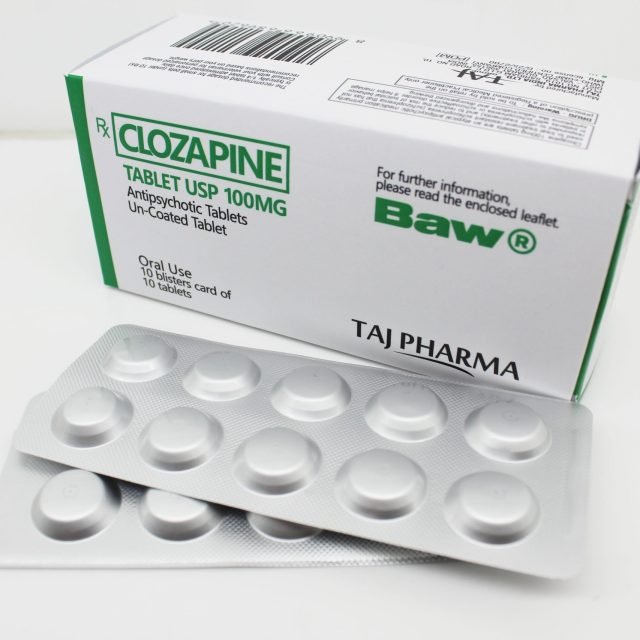
Taj Pharmaceuticals, a global leader in generics and one of India’s top pharmaceutical companies, has been actively exporting pharmaceutical products to Nigeria. They participate in MOH-based tenders and collaborate with local distributors to expand their presence in the region.
Certification & Accreditations
Taj Pharma is a certified pharmaceutical manufacturing company in India, strictly adhering to ISO, FDCA–INDIA, WHO cGMP norms as per the “Revised Schedule M” by the Drug Controller (General) India, Ministry of Health, and Government of India. With over 2,000 products under various categories, Taj Pharma maintains a strong global presence, serving more than 82 countries and thousands of clients worldwide.
Addressing Nigeria’s Pharmaceutical Challenges
Taj Pharmaceuticals recognizes Nigeria’s challenges in the pharmaceutical sector, including limited human resources, poor healthcare access, and infrastructure deficiencies. Despite these obstacles, Taj Pharma is committed to providing high-quality, affordable pharmaceutical solutions to Nigeria. Their extensive network and collaborations with local importers demonstrate their dedication to improving healthcare in the country.
Nigeria’s pharmaceutical industry is a dynamic and growing market with immense potential. While it faces challenges related to the quality of medicines, distribution, and healthcare infrastructure, the recent initiatives and the country’s increasing population offer promising opportunities for pharmaceutical companies. Taj Pharmaceuticals, with its global reputation and commitment to quality, is poised to play a significant role in addressing Nigeria’s healthcare needs. As Nigeria continues to evolve, pharmaceutical companies that understand the intricacies of the market and adapt to its unique demands are likely to thrive in this vibrant sector.