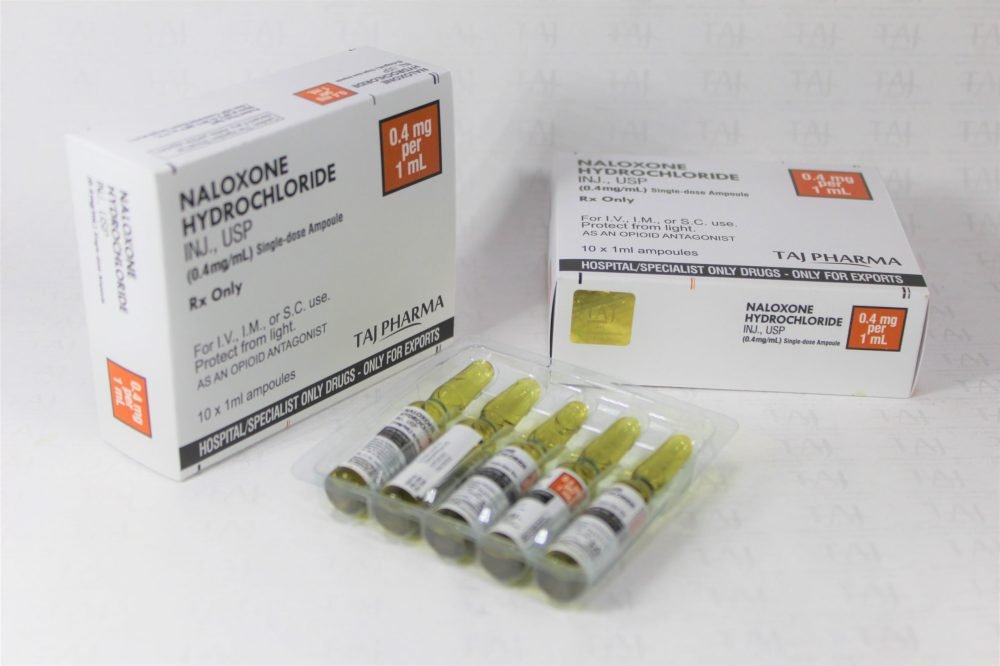
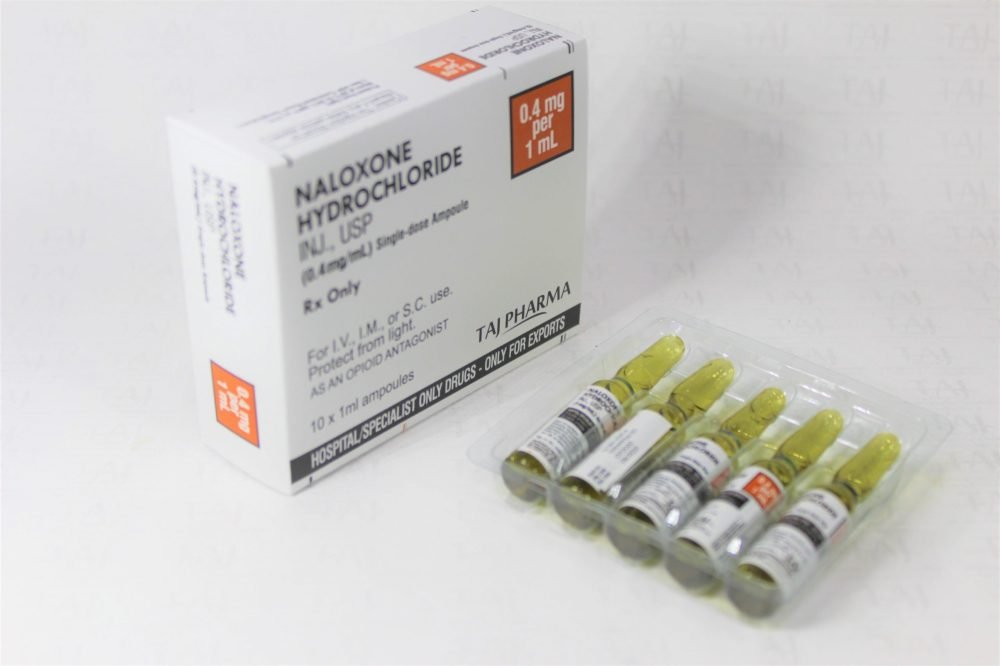
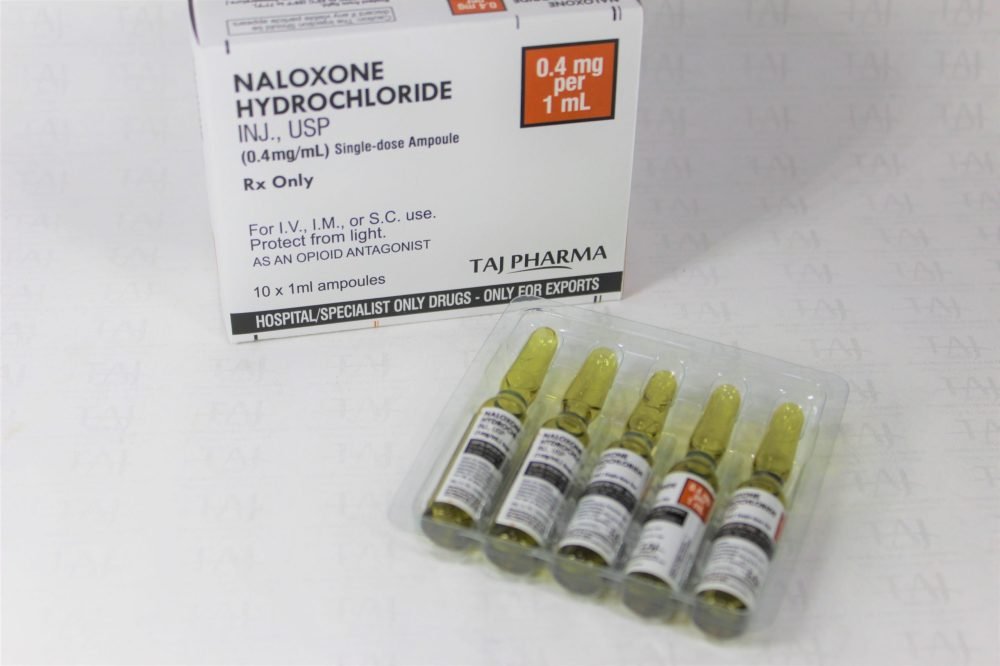
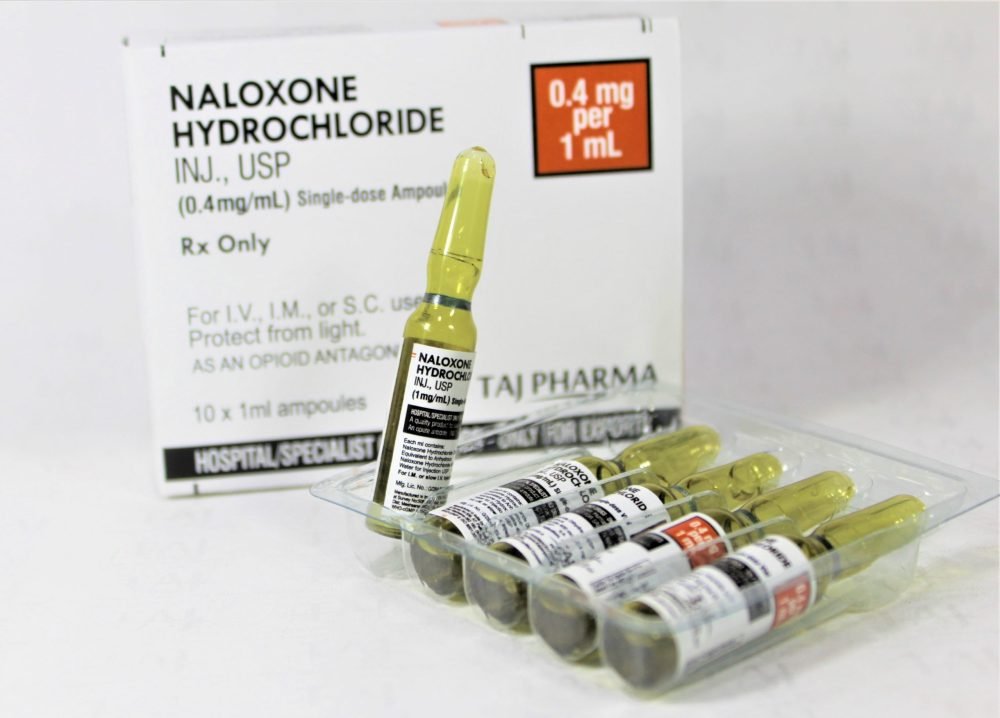
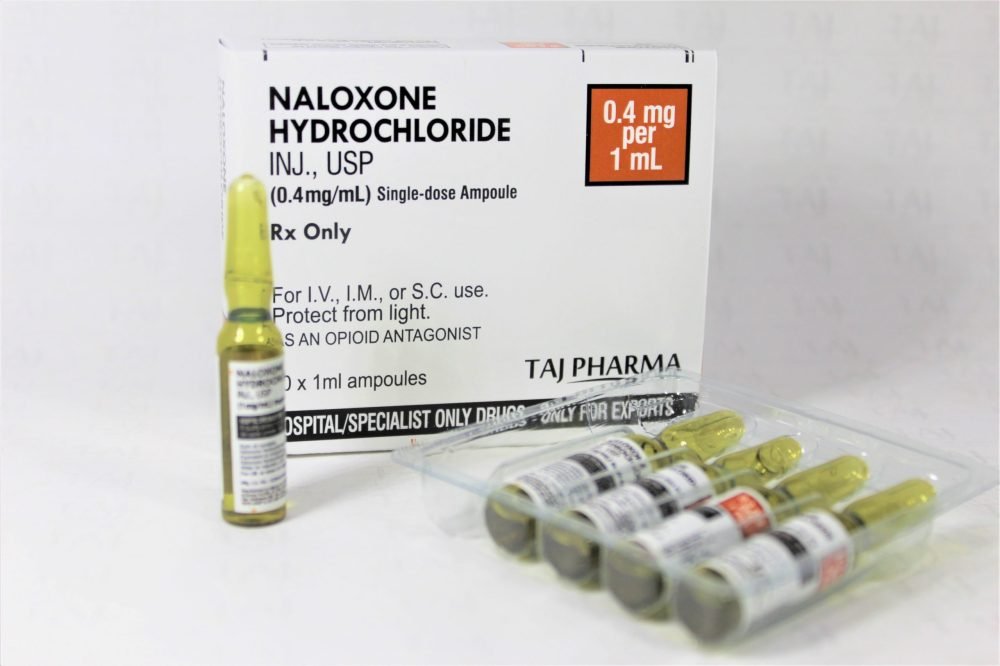
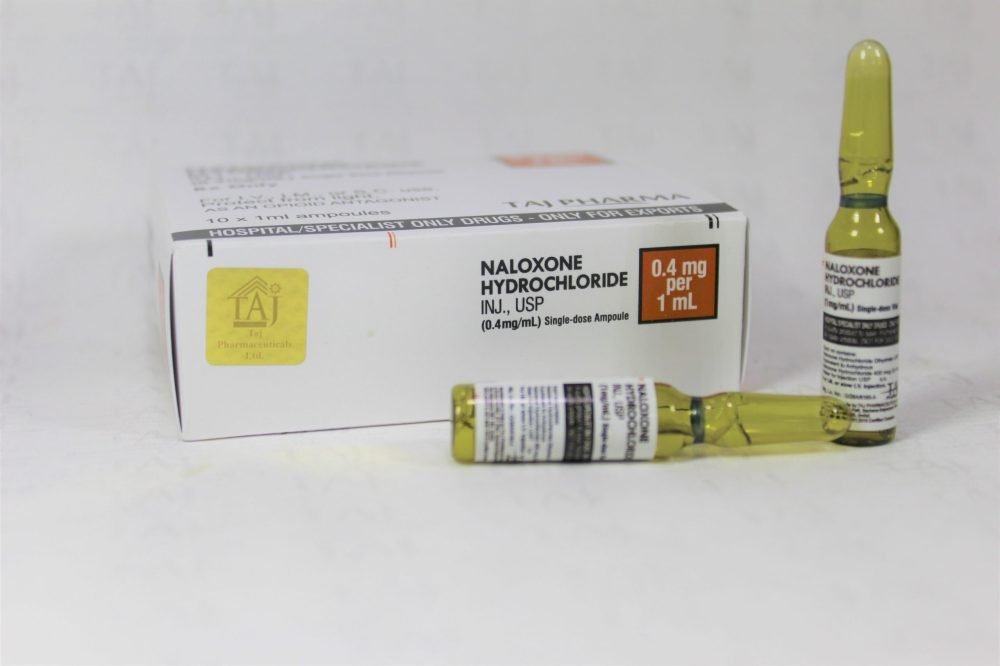
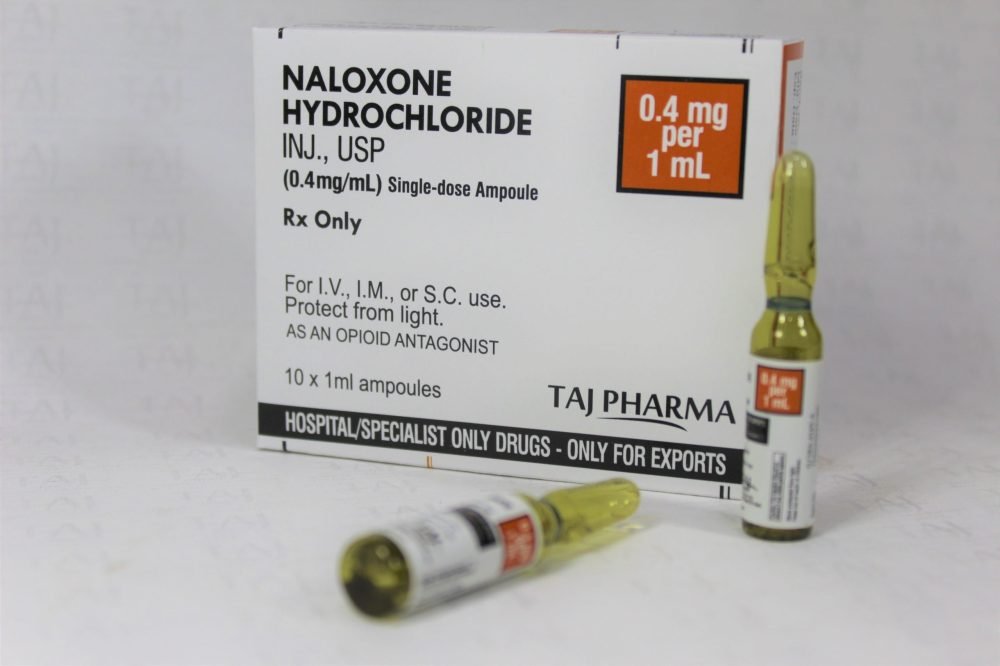
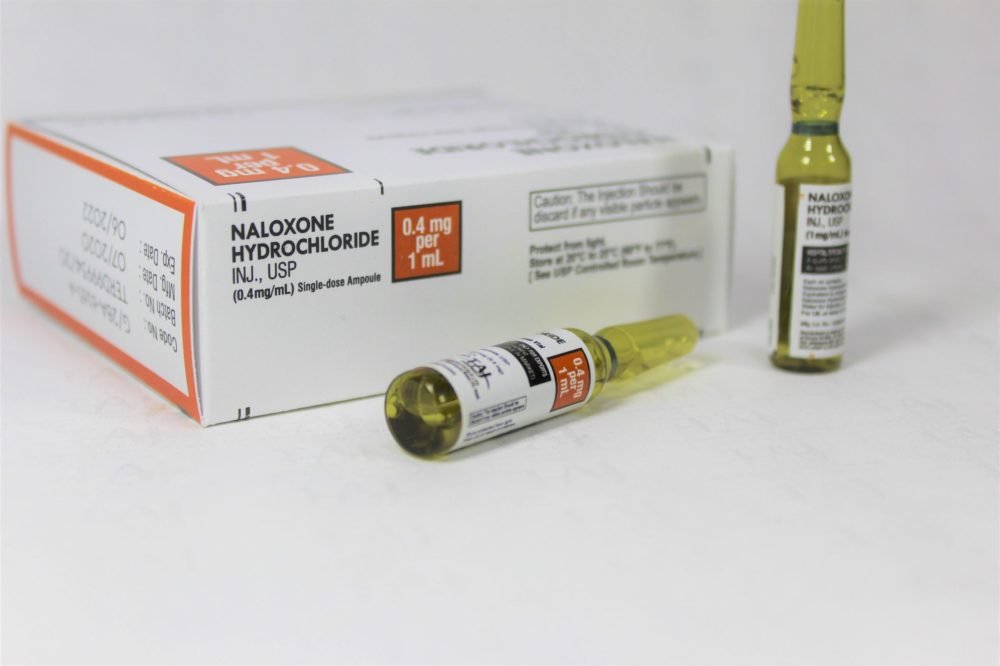
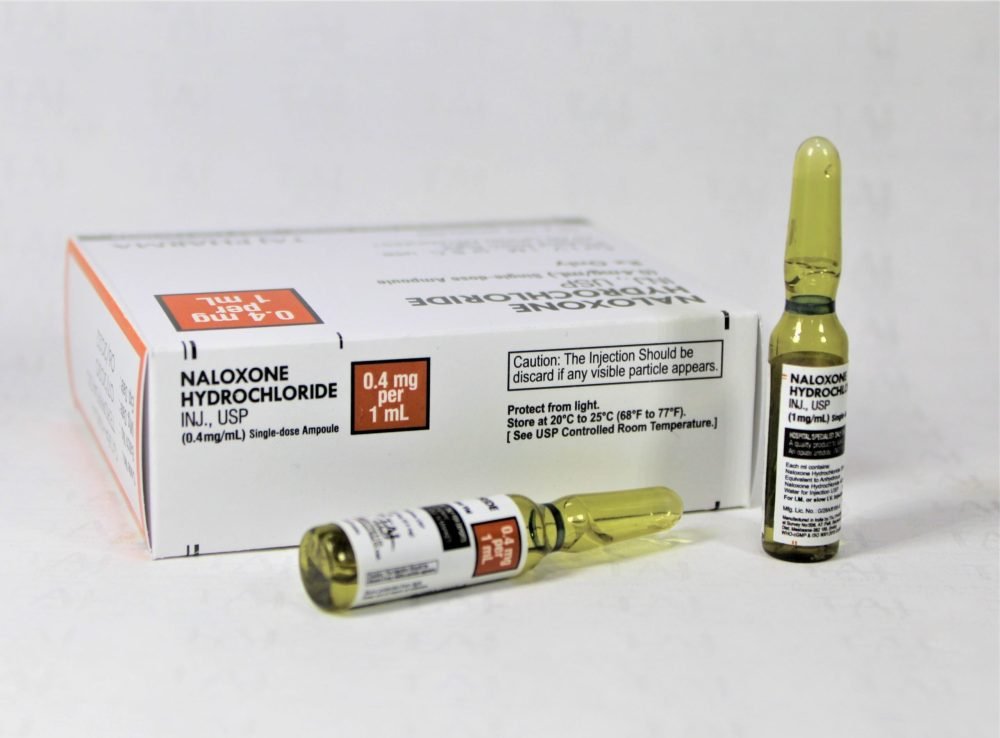
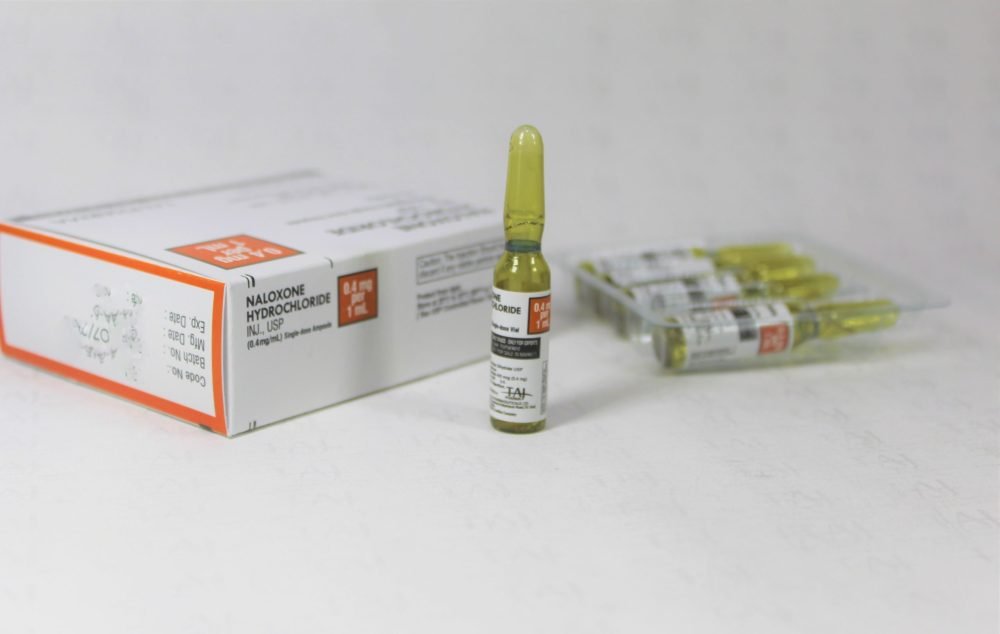
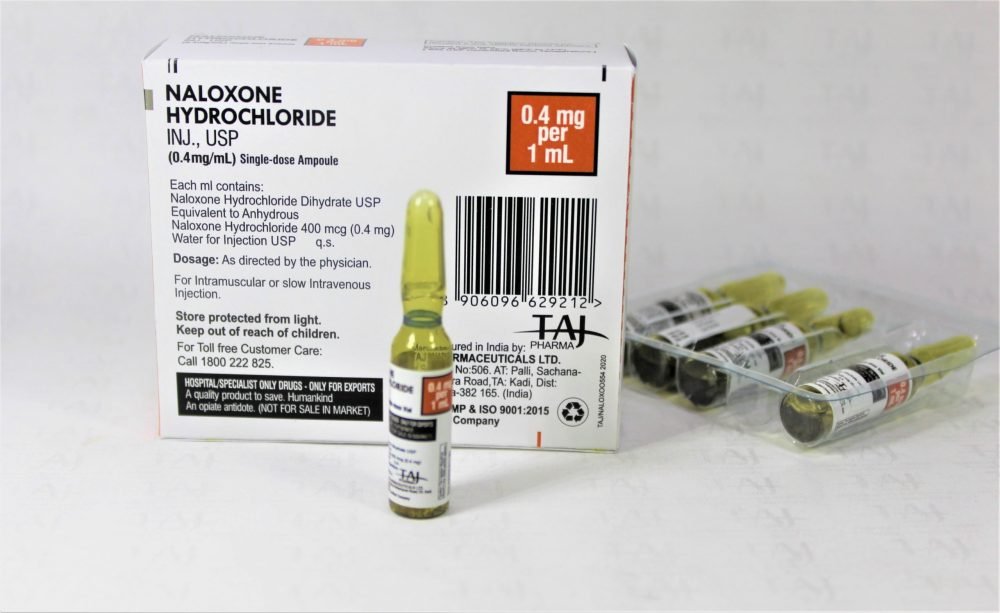
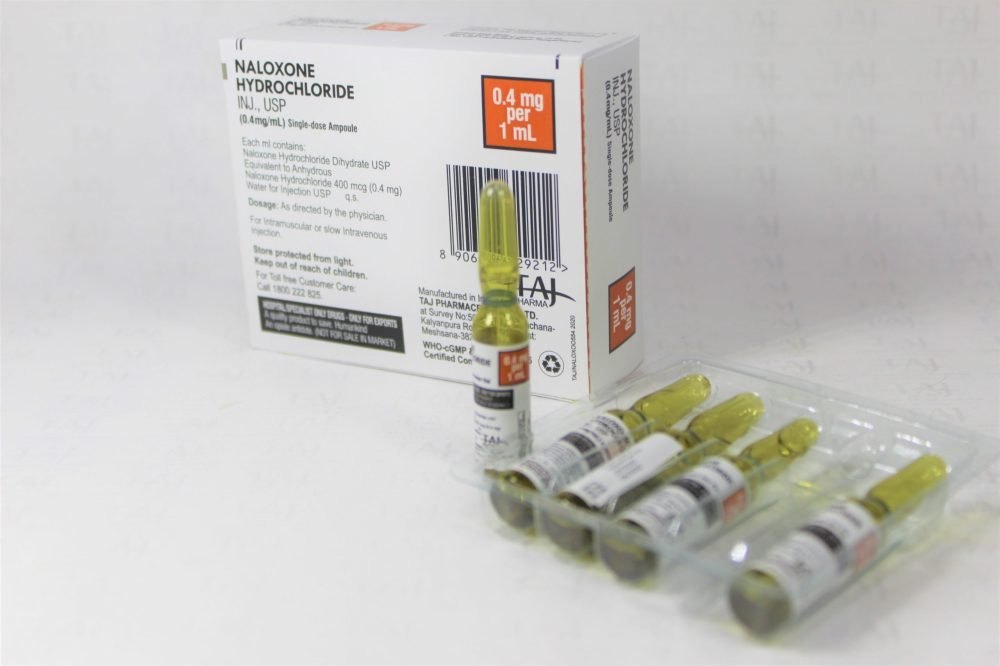
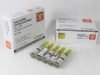
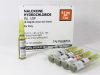
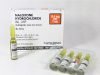
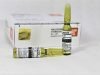
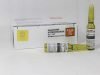
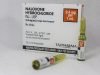
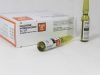
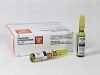
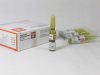
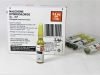
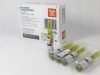
Naloxone Hydrochloride for Injection/Infusion USP 400micrograms/ml
- Name of the medicinal product
Naloxone Hydrochloride 400 micrograms/ml Solution for Injection/Infusion USP Taj Pharma
- Qualitative and quantitative composition
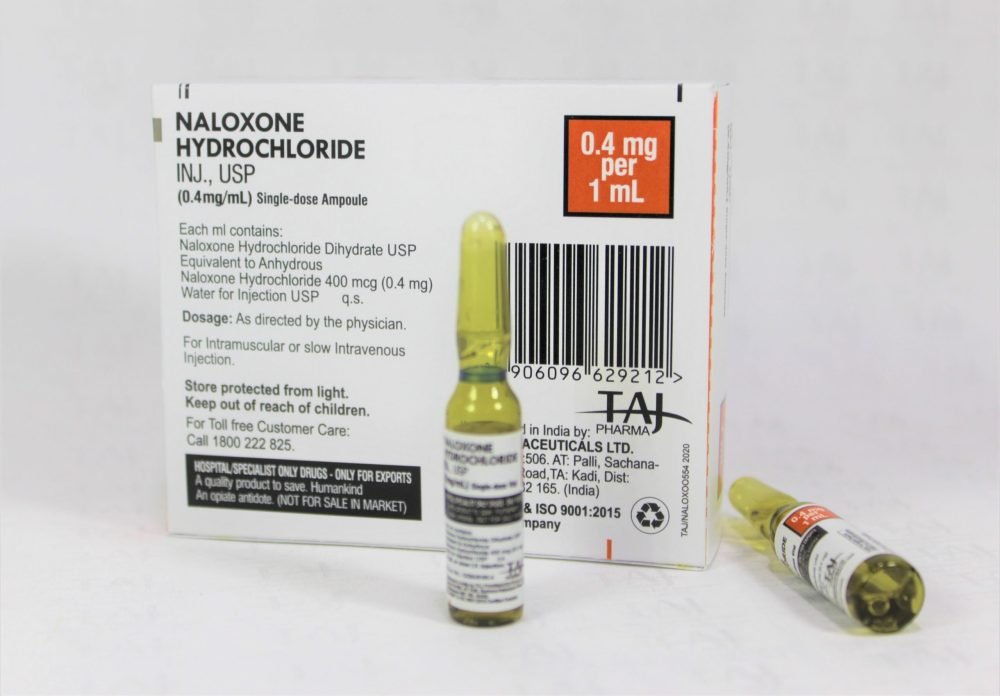
Each 1ml of solution contains 400 micrograms (0.4mg) Naloxone Hydrochloride present as Naloxone Hydrochloride Dihydrate USP
- Pharmaceutical form
Solution for Injection/Infusion
- Clinical particulars
4.1 Therapeutic indications
Naloxone may be used for the complete or partial reversal of opioid depression, including mild to severe respiratory depression induced by natural and synthetic opioids, the agonists/antagonists nalbuphine and pentazocine, or dextropropoxyphene. It may also be used for the diagnosis of suspected acute opioid overdosage. Naloxone may be used to counteract respiratory and other CNS depression in the newborn resulting from the administration of analgesics to the mother during childbirth.
4.2 Posology and method of administration
Naloxone is for intravenous, intramuscular or subcutaneous injection. It may also be administered by intravenous infusion.
Intravenous infusion:
Addition of 2mg of naloxone to 500ml of normal saline (0.9%) or to 500ml of 5% dextrose in water or in saline will provide a concentration of 4 micrograms/ml (0.004mg/ml). After 24 hours, any unused solution should be discarded. The rate of infusion should be titrated according to the patient’s response to the infused naloxone and to any previously administered bolus doses.
Naloxone should not be mixed with preparations containing bisulphite, metabisulphite, long-chain or high molecular weight anions or any solution having an alkaline pH. No drug or chemical agent should be added to naloxone unless its effect on the chemical and physical stability of the solution has first been established. Before administration, parenteral drugs should be inspected visually for particulate matter and discolouration whenever the solution and container permit.
Adults:
Opioid overdosage (known or suspected):
An initial dose of 400 to 2000 micrograms (0.4mg to 2mg) of naloxone may be given intravenously and may, if required, be repeated at 2 to 3 minute intervals. The diagnosis of opioid-related toxicity should be reconsidered if there is still failure to respond after a total of 10mg of naloxone has been administered. If intravenous administration is impracticable, naloxone may be administered by the intramuscular or subcutaneous route. The duration of action of some opioids (including dextropropoxyphene, dihydrocodeine and methadone) may exceed that of naloxone. In these circumstances, an intravenous infusion of naloxone will provide sustained antagonism of the opioid and obviate the need for repeated injections.
Post-operative use: Intravenous doses of 100 to 200 micrograms (0.1 to 0.2mg), corresponding to 1.5 to 3 micrograms (0.0015 to 0.003mg) per kg body weight, may be used. The dose should be titrated according to the individual patient’s response and a full 2 minutes should be allowed between each 100 micrograms (0.1mg) increment of naloxone administered. Depending on the type of opioid, the dose and the time interval from its last administration, repeat doses of naloxone may be required within one to two hours and may be administered by intramuscular injection or by intravenous infusion in order to produce a more sustained effect.
Children:
The usual initial dose is 10 micrograms (0.01mg) per kg body weight, intravenously. A subsequent dose of 100 micrograms (0.1mg) per kg body weight may be used if required. Naloxone may be administered by intravenous infusion, if appropriate. Alternatively, it may be given I.M. or S.C. in divided doses.
Neonatal Use:
For opioid-related depression, the usual initial dose is 10 micrograms (0.01mg) per kg body weight, I.V., I.M. or S.C., and this may be repeated, if required, at 2 to 3 minute intervals. Alternatively, a single dose of 200 micrograms (0.2mg), approximately 60 micrograms (0.06mg) per kg body weight, may be administered intramuscularly at birth.
An adequate airway should be established prior to administering naloxone to the apnoeic infant.
4.3 Contraindications
Naloxone should not be given to patients who are known to be hypersensitive to the drug, or any of the excipients (see section 6.1)
4.4 Special warnings and precautions for use
Naloxone 400 micrograms/ml must be given with caution to patients who have received large doses of opioids or are physically dependent on opioids. Too rapid reversal of opioid effects can cause an acute withdrawal syndrome in such patients. Hypertension, cardiac arrhythmias, pulmonary oedema and cardiac arrest have been described. This also applies to newborn infants of such patients.
Patients who respond satisfactorily to naloxone hydrochloride must be closely monitored. The effect of opioids can be longer than the effect of naloxone hydrochloride and new injections may be necessary.
Naloxone hydrochloride is not effective in central depression caused by agents other than opioids. Reversal of buprenorphine-induced respiratory depression may be incomplete. If an incomplete response occurs, respiration should be mechanically assisted.
Following the use of opioids during surgery, excessive dosage of naloxone hydrochloride should be avoided, because it may cause excitement, increase in blood pressure and clinically important, reversal of analgesia. A reversal of opioid effects achieved too rapidly may induce nausea, vomiting, sweating or tachycardia.
The signs and symptoms of opioid withdrawal in a patient physically dependent on opioids may include but are not limited to the following: body aches, diarrhoea, tachycardia, fever, runny nose, sneezing, piloerection, sweating, yawning, nausea, vomiting, nervousness, restlessness, irritability, shivering, trembling, abdominal cramps, weakness and increased blood pressure. In the neonate, opioid withdrawal may also include: convulsions, excessive crying and hyperactive reflexes.
Naloxone hydrochloride has been reported to induce hypotension, hypertension, ventricular tachycardia, fibrillation and pulmonary oedema. These adverse effects have been observed postoperatively most often in patients who have cardiovascular diseases or who have used medicines with similar cardiovascular adverse effects. Although no direct causative relations have been shown, caution should be used in administering Naloxone 400 micrograms/ml to patients with heart diseases or to patients who are taking relatively cardiotoxic drugs causing ventricular tachycardia, fibrillation and cardiac arrest (e.g. cocaine, methamphetamine, cyclic antidepressants, calcium channel blockers, beta-blockers, digoxin). See section 4.8.
In addition to Naloxone, other resuscitative measures such as maintenance of a free airway, artificial ventilation, cardiac massage and vasopressor agents should be available and employed when necessary to counteract acute poisoning.
Renal Insufficiency/Failure: The safety and effectiveness of Naloxone in patients with renal insufficiency/failure have not been established in clinical trials. Caution should be exercised and patients monitored when Naloxone is administered to this patient population.
Liver disease: The safety and effectiveness of Naloxone in patients with liver disease have not been established in well-controlled clinical trials. In one small study in patients with liver cirrhosis, plasma naloxone concentrations were approximately six times higher than in patients without liver disease. Naloxone administration had a diuretic effect in these patients with cirrhosis. Caution should be exercised when Naloxone is administered to a patient with liver disease.
This medicinal product contains 3.8 mmol (88.2 mg) sodium per maximum daily dose of 10mg naloxone hydrochloride. This should be taken into consideration by patients on a controlled sodium diet.
4.5 Interaction with other medicinal products and other forms of interaction
The effect of naloxone hydrochloride is due to the interaction with opioids and opioid agonists. When administered to subjects dependent on opioids, in some subjects the administration of naloxone hydrochloride can cause pronounced withdrawal symptoms. Hypertension, cardiac arrhythmias, pulmonary oedema and cardiac arrest have been described.
With a standard naloxone hydrochloride dose there is no interaction with barbiturates and tranquillizers.
Data on interaction with alcohol are not unanimous. In patients with multi-intoxication as a result of opioids and sedatives or alcohol, depending on the cause of the intoxication, one may possibly observe a less rapid result after administration of naloxone hydrochloride.
When administering naloxone hydrochloride to patients who have received buprenorphine as an analgesic complete analgesia may be restored. It is thought that this effect is a result of the arch-shaped dose-response curve of buprenorphine with decreasing analgesia in the event of high doses. However, reversal of respiratory depression caused by buprenorphine is limited.
Severe hypertension has been reported on administration of naloxone hydrochloride in cases of coma due to a clonidine overdose.
4.6 Pregnancy and lactation
Pregnancy:
For naloxone hydrochloride insufficient clinical data on exposed pregnancies are available. Animal studies have shown reproductive toxicity (see section 5.3). The potential risk for humans is unknown. The medicinal product should not be used during pregnancy unless clearly necessary. Naloxone hydrochloride can cause withdrawal symptoms in new-born infants (see section 4.4).
Lactation:
It is not known whether naloxone hydrochloride passes into breast milk and it has not been established whether infants who are breast-fed are affected by naloxone hydrochloride. Therefore, breast-feeding should be avoided for 24 hours after treatment.
4.7 Effects on ability to drive and use machines
Patients who have received naloxone hydrochloride to reverse the effects of opioids should be warned to avoid road traffic, operate machinery or engage in other activities demanding physical or mental exertion for at least 24 hours, since the effect of the opioids may return.
4.8 Undesirable effects
The following frequency terminology is used:
Very common: ≥ 1/10;
Common: ≥ 1/100, < 1/10;
Uncommon: ≥ 1/1,000, < 1/100;
Rare: ≥ 1/10,000, < 1/1,000;
Very rare: < 1/10,000;
Not known (cannot be estimated from the available data)
Immune system disorders
Very rare: Allergic reactions (urticaria, rhinitis, dyspnoea, Quincke’s oedema), anaphylactic shock
Nervous system disorders
Common: Dizziness, headache
Uncommon: Tremor, sweating
Rare: Seizures, tension
Seizures have occurred rarely following administration of naloxone hydrochloride; however, a causal relationship to the drug has not been established. Higher than recommended dosage in postoperative use can lead to tension.
Cardiac disorders
Common: Tachycardia
Uncommon: Arrhythmia, bradycardia
Very rare: Fibrillation, cardiac arrest
Vascular disorders
Common: Hypotension, hypertension
Hypotension, hypertension and cardiac arrhythmia (including ventricular tachycardia and fibrillation) have also occurred with the postoperative use of naloxone hydrochloride. Adverse cardiovascular effects have occurred most frequently in postoperative patients with a pre-existing cardiovascular disease or in those receiving other drugs that produce similar adverse cardiovascular effects.
Respiratory, thoracic and mediastinal disorders
Very rare: Pulmonary oedema
Pulmonary oedema has also occurred with the postoperative use of naloxone hydrochloride.
Gastrointestinal disorders
Very common: Nausea
Common: Vomiting
Uncommon: Diarrhoea, dry mouth
Nausea and vomiting have been reported in postoperative patients who have received doses higher than recommended. However, a causal relationship has not been established, and the symptoms may be signs of too rapid antagonisation of the opioid effect.
Skin and subcutaneous tissue disorders
Very rare: Erythema multiforme
One case of erythema multiforme cleared promptly after naloxone hydrochloride was discontinued.
General disorders and administration site conditions
Common: Postoperative pain
Uncommon: Hyperventilation, irritation of vessel wall (after i.v. administration); local irritation and inflammation (after i.m. administration)
Higher than recommended dosage in postoperative use can lead to the return of pain.
A fast reversal of opioid effect can induce hyperventilation.
4.9 Overdose
In view of the indication and the broad therapeutic margin overdose is not expected. Single dose of 10mg naloxone hydrochloride i.v. have been tolerated without any adverse effects or changes in laboratory values. Higher than the recommended dosage in postoperative use can lead to the return of pain and tension.
- Pharmacological properties
5.1 Pharmacodynamic properties
Pharmacotherapeutic group: Antidotes
Naloxone hydrochloride, a semisynthetic morphine derivative (N-allyl-nor-oxymorphone), is a specific opioid antagonist that acts competitively at opioid receptors. It reveals very high affinity for the opioid receptor sites and therefore displaces both opioid agonists and partial antagonists, such as pentazocine, for example, but also nalorphine. Naloxone hydrochloride does not counteract central depression caused by hypnotics or other non-opioids and does not possess the “agonistic” or morphine-like properties characteristic of other opioid antagonists. Even high doses of the drug (10 times the usual therapeutic dose) produce insignificant analgesia, only slight drowsiness, and no respiratory depression, psychotomimetic effects, circulatory changes, or miosis. In the absence of opioids or agonistic effects of other opioid antagonists, it exhibits essentially no pharmacologic activity. Because naloxone hydrochloride, unlike nalorphine, does not exacerbate the respiratory depression caused by other substances, it can therefore also be used for differential diagnosis.
Naloxone hydrochloride has not been shown to produce tolerance or cause physical or mental dependence.
In case of opioid dependence, administration of naloxone hydrochloride will enhance the symptoms of physical dependence. When administered intravenously, the pharmacological effect of naloxone hydrochloride will usually be visible within two minutes. The duration of the antagonistic effect depends on dose, but in general is in the range of 1-4 hours. The need for repeated doses depends on the quantity, type and route of administration of the opioid to be antagonised.
5.2 Pharmacokinetic properties
Absorption
Naloxone hydrochloride is rapidly absorbed from the gastrointestinal tract but it is subject to considerable first-pass metabolism and is rapidly inactivated following oral administration. Although the drug is effective orally, doses much larger than those required for parenteral administration are required for complete opioid antagonism. Therefore, naloxone hydrochloride is administered parenterally.
Distribution
Following parenteral administration, naloxone hydrochloride is rapidly distributed into body tissues and fluids, especially into the brain, because the drug is highly lipophilic. In adult humans, the distribution volume at steady-state is reported to be about 2 l/kg. Protein binding is within the range of 32 to 45 %.
Naloxone hydrochloride readily crosses the placenta; however, it is not known whether naloxone hydrochloride is distributed into breast milk.
Metabolism
Naloxone hydrochloride is rapidly metabolised in the liver, mainly by conjugation with glucuronic acid, and excreted in urine.
Elimination
Naloxone hydrochloride has a short plasma half-life of approximately 1-1.5 hours after parenteral administration. The plasma half-life for neonates is approximately 3 hours. The total body clearance amounts to 22 ml/min/kg.
5.3 Preclinical safety data
Preclinical data did not reveal a special hazard for humans, based on conventional studies of acute and repeated dose toxicity.
Naloxone hydrochloride was weakly positive in the Ames mutagenicity and in vitro human lymphocyte chromosome aberration tests and was negative in the in vitro Chinese hamster V79 cell HGPRT mutagenicity assay and in an in vivo rat bone marrow chromosome aberration study.
Studies to determine the carcinogenic potential of naloxone hydrochloride have not been performed to date.
Dose-dependent changes in the speed of postnatal neurobehavioral development and abnormal cerebral findings have been reported in rats after in utero exposure. In addition, increases in neonatal mortality and reduced body weights have been described after exposure during late gestation in rats.
- Pharmaceutical particulars
6.1 List of excipients
Sodium Chloride, Water for Injections, Dilute Hydrochloric Acid
6.2 Incompatibilities
Naloxone should not be mixed with preparations containing bisulphite, metabisulphite, long-chain or high molecular weight anions or any solution having an alkaline pH. No drug or chemical agent should be added to naloxone unless its effect on the chemical and physical stability of the solution has first been established.
6.3 Shelf life
4 years.
6.4 Special precautions for storage
Store below 25°C.
Protect from light.
6.5 Nature and contents of container
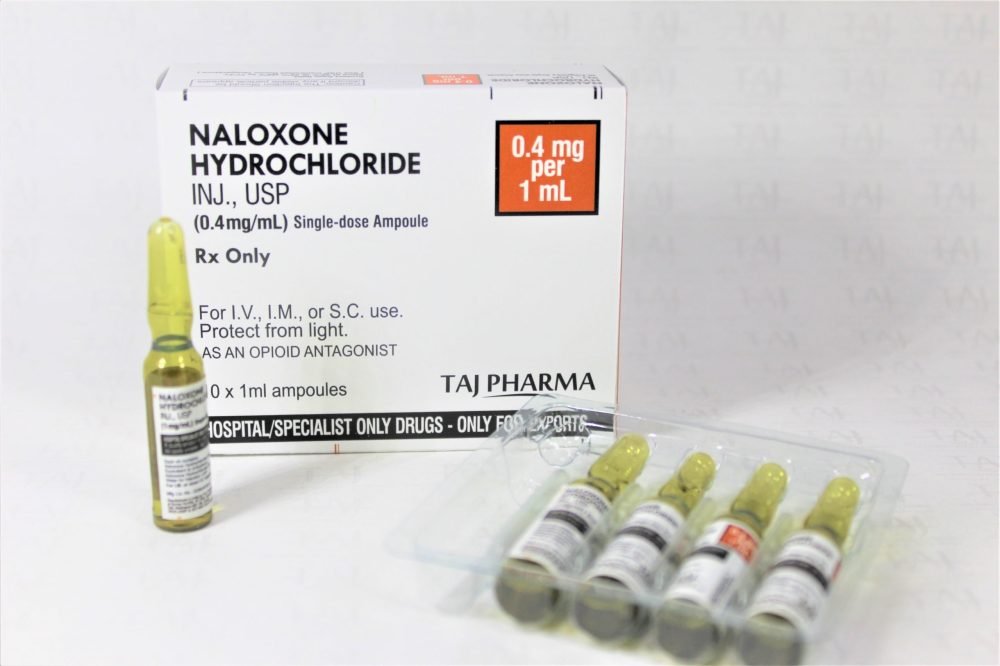
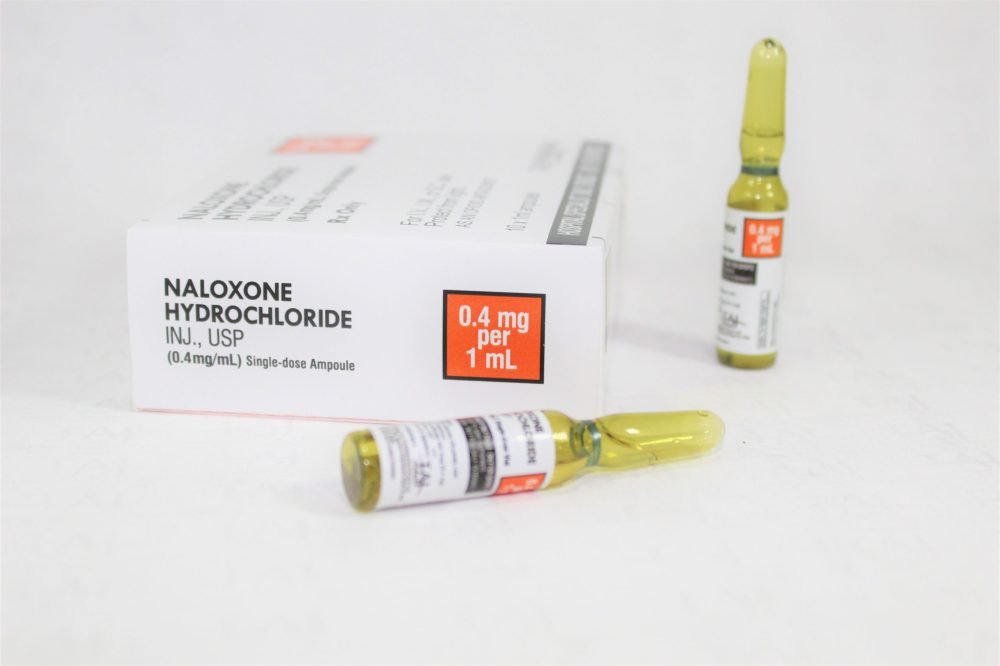
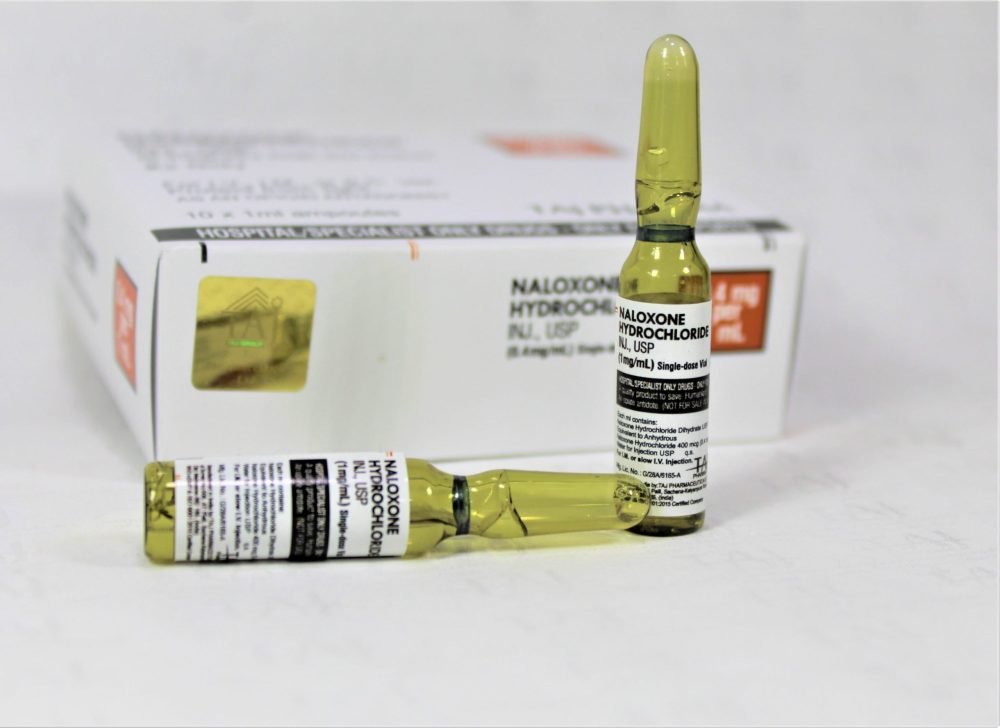
1ml, clear glass ampoules, glass type 1 Ph. Eur. borosilicate glass, packed in cardboard cartons to contain 10 x 1ml ampoules; 3 x 1ml ampoules and 5 x 1ml ampoules.
6.6 Special precautions for disposal and other handling
Not applicable.
- Manufactured in India by:
TAJ PHARMACEUTICALS LTD.
Mumbai, India
Unit No. 214.Old Bake House,
Maharashtra chambers of Commerce Lane,
Fort, Mumbai – 400001
at:Gujarat, INDIA.
Customer Service and Product Inquiries:
1-800-TRY-FIRST (1-800-222-434 & 1-800-222-825)
Monday through Saturday 9:00 a.m. to 7:00 p.m. EST
E-mail: tajgroup@tajpharma.com
Naloxone Hydrochloride for Injection/Infusion USP 400micrograms/ml
PATIENT INFORMATION LEAFLET
Naloxone Hydrochloride Solution for Injection/Infusion USP 400micrograms/ml Taj Pharma
READ ALL OF THIS LEAFLET CAREFULLY BEFORE YOU START USING THIS MEDICINE.
Keep this leaflet. You may need to read it again.
If you have any further questions, ask your doctor or pharmacist. If any of the side effects becomes serious, or if you notice any side effects not listed in this leaflet, please tell your doctor or pharmacist.
The name of your medicine is Naloxone Hydrochloride 20micrograms/ml Solution for Injection/Infusion, Naloxone Hydrochloride 400 micrograms/ml Solution for Injection/Infusion. It will be referred to as Naloxone Injection/Infusion for ease hereafter.
In this leaflet:
- What Naloxone Injection/Infusion is and what it is used for
- Before you are given Naloxone Injection/Infusion
- How Naloxone Injection/Infusion is given to you
- Possible side effects
- How to store Naloxone Injection/Infusion
- Further information WHAT NALOXONE INJECTION/INFUSION IS AND WHAT IT IS USED FOR
Naloxone belongs to a group of medicines known as opioid antagonists. Opioid medicines are strong painkillers such as morphine and codeine. In high doses these painkillers can result in side effects which cause difficulty in breathing and drowsiness. These effects can be reversed by an opioid antagonist (blocks the effects of opioids).
Naloxone Injection/Infusion may be used:
- to treat the breathing problems caused by these opioid painkillers
- to help determine whether a patient has taken or received an overdose of opioid drugs
- to reverse the depressant effects on breathing and on other parts of the brain and spinal cord in newborn infants (resulting from the use of opioid painkillers in the mother during childbirth).
- BEFORE YOU ARE GIVEN NALOXONE INJECTION/INFUSION
You should not be given this medicine if you know that you are allergic to naloxone, or to any of the other ingredients (listed in Section 6 at the end of this leaflet).
Speak to your doctor if this applies to you before you are given this medicine.
Your doctor will take special care if:
- you have received large doses of opioid drugs or if you have a drug-dependence (drug addiction) problem
- you suffer from any heart or circulatory problems
- you suffer from high blood pressure, irregular heart beat or difficulty in breathing
- you have a newborn baby who requires this injection/infusion; tell the doctor beforehand if you received large doses of opioid drugs before you gave birth or if you have a drug-dependence problem
- you are suffering from diseases of the kidney, liver or
Speak to your doctor if one of these applies to you before you are given this medicine.
Taking other medicines:
Tell your doctor before you are given this medicine if you are taking or have recently taken any other medicines, including medicines obtained without a prescription.
A number of medicines can interact with Naloxone Injection/Infusion which can significantly alter their effects. In particular, tell your doctor if you are taking
- Strong pain killer medicines like buprenorphine and
- Sleeping pills
- Medicines that may affect your heart or blood circulation (e.g. antihypertensive drugs, cocaine, methamphetamine, cyclic antidepressants, calcium channel blockers, beta-blockers, digoxin and clonidine) even those not
Pregnancy and breast-feeding
Tell your doctor before you are given this medicine if you are pregnant, think you may be pregnant or are planning to become pregnant, or are breast-feeding.
The potential risk for humans is unknown. Naloxone injection/infusion should not be used during pregnancy unless clearly necessary.
Naloxone Injection/Infusion must be used with caution in breast feeding mothers. Breast-feeding should be avoided for 24 hours after treatment.
Driving and using machines:
After receiving Naloxone Injection/Infusion, you must not drive a vehicle, operate machinery or engage in any other physically or mentally demanding activity for at least 24 hours, as the effect of opioids may possibly recur.
Important information about some of the ingredients of Naloxone Injection/Infusion
Naloxone Hydrochloride 400micrograms/ml Solution for Injection/Infusion contains 3.8 mmol (88.2 mg) sodium per maximum daily dose of 10mg naloxone hydrochloride and Naloxone Hydrochloride 20micrograms/ml Solution for Injection/Infusion contains 77.2 mmol(1.78 g) sodium per maximum daily dose of 10mg naloxone hydrochloride. Ask your doctor about this if you are on a strict sodium controlled diet.
3. HOW NALOXONE INJECTION/INFUSION IS GIVEN TO YOU
Naloxone Injection/Infusion is always given by a doctor or nurse.
It may be injected into a vein, a muscle, or the tissue just under the skin. It may also be given by a drip into a vein.
The dose of the injection/infusion will be calculated by your doctor. This will depend upon your weight and the circumstances that require treatment.
For adults:
- To treat an overdose or suspected overdose of opioids, between 400 and 2000 micrograms may be given every 2-3
- After an operation 100-200 micrograms may be given every 2-3 minutes.
For children:
- The usual dose is 10 micrograms for each kilogram they weigh increased to 100 micrograms per kg to achieve the desired
For new born babies:
- The usual starting dose is 10 micrograms per kg body weight every 2-3 minutes. Or a single dose of 200 micrograms may be given at
If you think you have been given more Naloxone Injection/Infusion than you should have
This is unlikely as your injection/infusion will be administered by a doctor or nurse. If you are concerned about the dose, discuss it with your doctor.
If you have any further questions on the use of this product ask your doctor or pharmacist.
4. POSSIBLE SIDE EFFECTS
Like all medicines, Naloxone Injection/Infusion can sometimes cause side-effects, although not everybody gets them.
All medicines can cause allergic reactions although serious allergic reactions are rare. Any sudden wheeziness, difficulty in breathing, swelling of the eyelids, face or lips, rash or itching (especially affecting your whole body) should be reported to a doctor immediately.
Other side effects may include:
Very common: (probably occuring in more than 1 in 10 people)
- Feeling sick
Common: (probably occurring in less than 1 in 10 people)
- Dizziness
- Headache
- Fast Heart beat
- Increased or decreased blood pressure
- Vomiting
- Post-operative pain
If too large a dose is given after an operation, you may become excited and feel pain (because the pain killing effects of medicines you were given will have been counteracted as well as the effects on your breathing).
Uncommon: (probably occurring in less than 1 in 100 people)
- Tremors
- Sweating
- Changes in the way your heart beats
- Slow heart rate
- Over breathing (hyperventilation)
- Diarrhoea
- Dry mouth
- Irritation of the walls of the veins has been reported after intra- venous
- Local irritation, burning and redness have been reported after the intra-muscular
Rare: (probably occurring in less than 1 in 1000 people)
- Fits (seizures)
- Tension
Very Rare: (probably less than 1 in 10000 people)
- Severe problems with the heart (Fibrillation and cardiac arrest)
- Fluid in the lungs
- Discolouration and lesions of the
- Allergic reactions (urticaria, rhinitis, dyspnoea, Quincke’s oedema), anaphylactic shock
If any of the side-effects become serious, or if you notice any side-effects not listed in the leaflet, please tell your doctor or pharmacist.
- HOW TO STORE NALOXONE INJECTION/INFUSION
Keep this medicine out of the sight and reach of children.
Do not use this medicine after the expiry date which is stated on the carton and ampoule label after ‘Exp’. The expiry date refers to the last day of that month.
Do not store above 25°C.
Keep the ampoules (small bottles) in the outer carton in order to protect from light.
If only part used, discard the remaining solution.
Do not use the ampoule if the contents are discoloured in any way. For single use only.
6. FURTHER INFORMATION
The active substance is naloxone hydrochloride dihydrate.
The other ingredients are sodium chloride, dilute hydrochloric acid in water for injections.
What Naloxone Hydrochloride Injection/Infusion looks like and contents of pack
Naloxone Hydrochloride 20micrograms/ml Solution for Injection/Infusion (0.02 mg/ml) is a clear, colourless, sterile solution containing 40 micrograms (0.04 mg) naloxone hydrochloride present as naloxone hydrochloride dihydrate in 2ml clear glass ampoules (small bottles).
Naloxone Hydrochloride 400micrograms/ml Solution for Injection/Infusion (0.4 mg/ml) is a clear, colourless, sterile solution containing 400 micrograms (0.4mg) naloxone hydrochloride present as naloxone hydrochloride dihydrate in 1ml clear glass ampoules (small bottles).
Pack size: 3, 5 or 10 ampoules may be packaged together in cardboard cartons. All pack sizes may not be marketed.
- Manufactured in India by:
TAJ PHARMACEUTICALS LTD.
Mumbai, India
Unit No. 214.Old Bake House,
Maharashtra chambers of Commerce Lane,
Fort, Mumbai – 400001
at:Gujarat, INDIA.
Customer Service and Product Inquiries:
1-800-TRY-FIRST (1-800-222-434 & 1-800-222-825)
Monday through Saturday 9:00 a.m. to 7:00 p.m. EST
E-mail: tajgroup@tajpharma.com