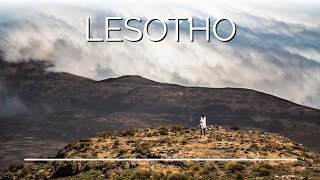
Description: Lesotho has a rich history and a strong connection to the Basotho people. The country was established as a unified kingdom under King Moshoeshoe I during the 19th century. Moshoeshoe I played an important role in bringing different communities together and protecting the Basotho people during periods of conflict. Lesotho later became a British protectorate known as Basutoland before gaining independence on October 4, 1966. Today, Lesotho is a constitutional monarchy, with the King serving as the head of state and an elected government managing the country’s political affairs. The geography of Lesotho is one of its most distinctive features. The country is dominated by mountains and high plateaus, and it has the highest lowest point of any country in the world, with all of its territory situated at more than 1,000 meters above sea level. The Maloti Mountains provide spectacular scenery and attract visitors interested in hiking, horseback riding, photography, and outdoor adventures. Lesotho also has several important rivers and water resources. The country’s water is an important natural resource and is exported to South Africa through major water-development projects. The Lesotho Highlands Water Project is particularly significant because it supplies water to South Africa while also generating hydroelectric power for Lesotho. The economy of Lesotho is supported by several sectors, including agriculture, textiles and clothing, manufacturing, tourism, mining, and water resources. Agriculture remains important to rural communities, with people producing crops and raising livestock. The textile and garment industry has also contributed significantly to employment and exports. Lesotho is known for producing high-quality wool and mohair, while diamonds are another important mineral resource. Tourism has considerable potential because of the country’s unique mountain scenery, traditional culture, historical sites, and outdoor activities.
Dimensions: 320 x 180
File Type: jpeg
File Size: 17 KB