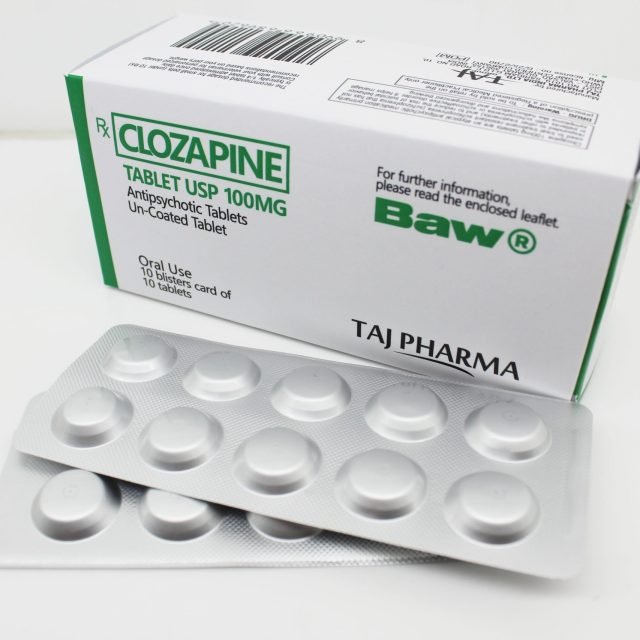
Description: Quality control in the pharmaceutical industry is an indispensable component of ensuring the safety and efficacy of medications. Taj Pharmaceuticals, a prominent player in this field, embodies the critical importance of stringent quality control measures. Quality control, in essence, involves a systematic process that oversees various aspects of pharmaceutical production, from raw material procurement to final packaging. It is the bedrock upon which patient safety is built, and any compromise in quality can have dire consequences for those relying on pharmaceutical products. In an industry characterized by rigorous regulations, compliance with these standards is non-negotiable. Regulatory bodies such as the FDA set stringent guidelines to ensure that pharmaceutical products are safe and effective. Non-compliance can result in severe consequences, including legal actions and product recalls. Maintaining a positive reputation is fundamental in the pharmaceutical sector. Trust and reliability are the cornerstones of a pharmaceutical company’s image. Taj Pharmaceuticals recognizes that its reputation is directly linked to its commitment to quality control, and it prioritizes the consistent delivery of high-quality medications. A critical but often overlooked aspect of quality control is the role of research and development (R&D). Quality control doesn’t begin on the manufacturing floor but during the extensive R&D phase. Taj Pharmaceuticals invests substantially in research to ensure the safety and effectiveness of their products. Consistency in production is another key focus of quality control. Every batch of medication must exhibit uniformity in terms of potency, purity, and quality. This uniformity is essential to providing patients with predictable and reliable results. Preventing contamination is paramount in quality control. Even minor contamination can lead to catastrophic consequences. Therefore, pharmaceutical companies like Taj Pharmaceuticals implement stringent measures to prevent contamination and maintain product purity. Traceability and accountability are integral components of quality control processes. Detailed record-keeping and traceability ensure that any issues can be swiftly identified and resolved, promoting transparency and accountability within the organization. In conclusion, the pharmaceutical industry hinges on quality control to guarantee patient safety, regulatory adherence, and a company’s reputation. Taj Pharmaceuticals is a shining example of a company that places quality control at the forefront of its operations, assuring patients of safe and effective medications.
Dimensions: 2560 x 1705
File Type: jpeg
File Size: 412 KB