Pharmaceutical Tablets Coating
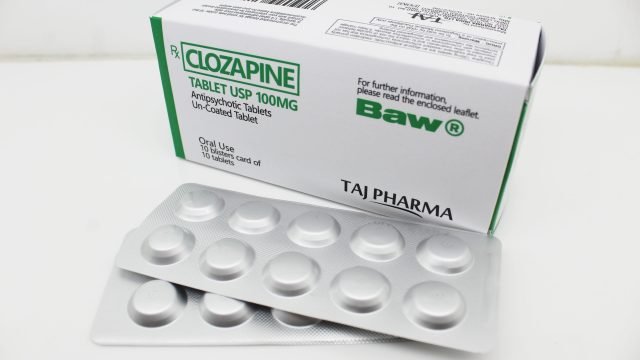
Coating pharmaceutical tablets isn’t just about making them look better; it encompasses a wide range of benefits, from improving taste and ease of swallowing to ensuring product stability and release properties. Taj Pharmaceuticals, with its state-of-the-art facilities and cutting-edge technology, stands at the forefront of the pharmaceutical tablet coating industry.
The Marvel of Tablet Coating
Tablet coating is a fascinating process that involves the application of a coating material to the surface of a tablet. This coating is not merely cosmetic; it serves various essential functions that enhance the overall quality of the pharmaceutical product. Let’s delve into some of the advantages of tablet coating:
Enhancing Taste, Odor, and Color
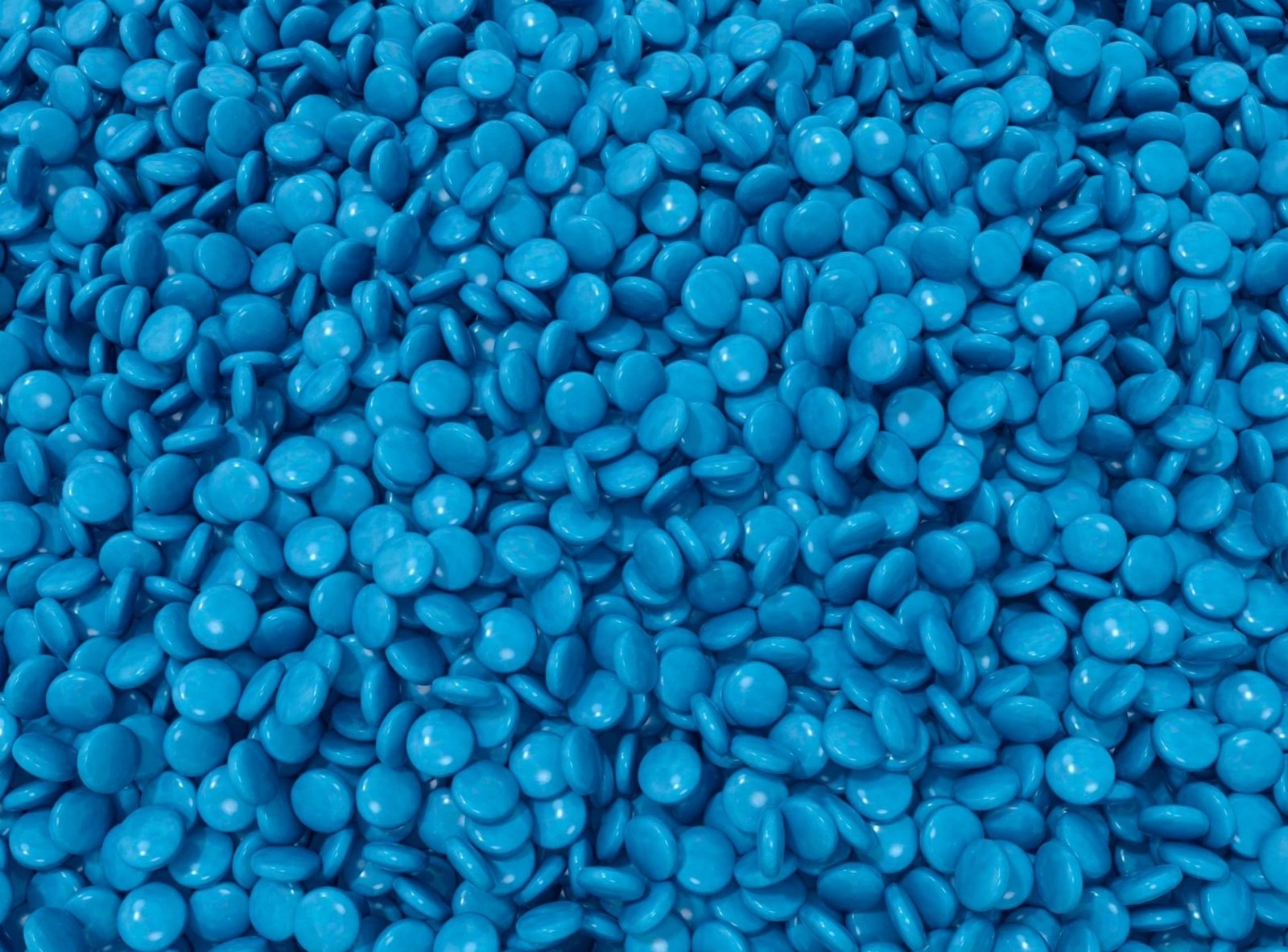
When you think of pharmaceutical tablets, taste, odor, and color might not be the first things that come to mind. However, these factors can significantly impact a patient’s experience. Tablet coatings can mask unpleasant tastes and odors, making the medication more palatable. Additionally, they can provide vibrant colors, making the tablets more visually appealing.
Improving Swallowability
For many patients, swallowing large or rough tablets can be a challenge. Tablet coatings can make the tablet surface smoother, facilitating easier swallowing. This is especially important for patients who may have difficulty swallowing due to medical conditions or age-related factors.
Ensuring Product Stability
Pharmaceutical products are highly sensitive to environmental conditions, and maintaining their stability is paramount. Tablet coatings act as protective shields, safeguarding the medication from factors like moisture, light, and temperature variations. This ensures that the drug remains effective throughout its shelf life.
Protection Against Gastric Environment
In some cases, certain medications need protection from the harsh acidic environment of the stomach. Enteric coatings, for example, ensure that the tablet remains intact until it reaches the alkaline environment of the small intestine, where it can be absorbed effectively.
Enhancing Mechanical Resistance
Tablet coatings can bolster the mechanical resistance of the dosage form, reducing the risk of breakage during handling and transportation. This is crucial for ensuring that the medication reaches the patient in optimal condition.
Modifying Release Properties
Different medications require different release profiles. Tablet coatings can be tailored to control the rate at which the active ingredients are released in the body. This allows for precise dosing and ensures that the medication works as intended.
The Three Pillars of Tablet Coating
Now that we’ve explored the benefits of tablet coating, let’s dive into the three main processes involved in this fascinating field:
Sugar Coating
Sugar coating is a labor-intensive process that involves multiple steps, resulting in a significant increase in tablet size and weight. The meticulous steps in sugar coating include sealing, subcoating, smoothing, coloring, and polishing.
Sealing
The sealing coat, often composed of materials like Shellac, cellulose acetate phthalate (CAP), or polyvinylacetate phthalate (PVAP), is applied over the tablet core. It provides protection against water penetration and enhances product stability. The quantity of sealing coat applied is carefully optimized to ensure effective tablet core sealing.
Subcoating
Subcoating rounds the tablet edges and further increases tablet weight. It can be performed through lamination or suspension processes. The choice depends on factors like tablet porosity and batch size. Lamination involves applying a mixture of sucrose and a binder solution, followed by powder containing materials like calcium carbonate and titanium dioxide.
Smoothing
Smoothing is crucial to refine the tablet’s surface after subcoating. It is performed multiple times until the tablets achieve the desired size and smoothness. Smoothing syrup typically contains sugar solids along with additives like acacia, gelatin, pigments, starch, or opacifiers.
Coloring
Coloring is a pivotal step that enhances the tablet’s appearance and stability. While water-soluble dyes were previously used, they often led to color migration issues. Nowadays, water-insoluble pigments, or lakes, are preferred for consistent color and batch-to-batch uniformity.
Polishing
Polishing adds the final touch to sugar-coated tablets, giving them a glossy and elegant appearance. Beeswax, carnauba wax, and candelila wax are commonly used to achieve that characteristic surface shine.
Film Coating
Film coating, in contrast to sugar coating, is a single-stage process that requires less time and leads to a thinner coating. It involves depositing a thin film of polymer on the tablet’s surface. Film coatings are favored for their efficiency and versatility.
Ingredients in Film Coating
Film-coating formulas typically include polymers like Hydroxypropyl methyl cellulose (HPMC), solvents (water, methanol, ethanol, acetone), plasticizers (Polyethylene glycols, glycerol, castor oil, triacetin), colorants/opacifiers, and other miscellaneous agents like flavors and sweeteners.
The Film-Coating Process
The film-coating process involves spraying a coating solution onto a tablet bed in a pan coater, followed by rapid drying to form a thin, even film. Various methods and parameters influence film formation and coating uniformity, including the atomization method, tablet properties, and equipment-specific parameters.
Enteric Coating
Enteric coatings are pH-sensitive polymers that are insoluble in the acidic environment of the stomach but dissolve in the alkaline conditions of the small intestine. They prevent tablet core disintegration in the stomach, ensuring that the medication reaches its intended site of action.
Enteric-Coating Polymers
Common enteric-coating polymers include acrylate polymers (Eudragit L and Eudragit S), Hydroxypropyl methylcellulose phthalate (HPMCP), and Polyvinylacetate phthalate (PVAP). Each of these polymers has a specific pH range at which it becomes soluble.
Taj Pharmaceuticals: Pioneering Tablet Coating Excellence
In the world of pharmaceutical tablet coating, Taj Pharmaceuticals stands out as a leader. Equipped with cutting-edge Auto Coater machines, featuring modular design and in compliance with cGMP guidelines, Taj Pharmaceuticals ensures accurate batch consistency and high production efficiency. With its commitment to quality and innovation, Taj Pharmaceuticals has made significant strides in tablet coating technology.
To sum it up, tablet coating is far more than a cosmetic enhancement; it’s a critical aspect of pharmaceutical manufacturing that impacts taste, stability, and overall effectiveness. Taj Pharmaceuticals, with its dedication to excellence, continues to push the boundaries of tablet coating technology, ensuring that patients receive the highest quality pharmaceutical products.