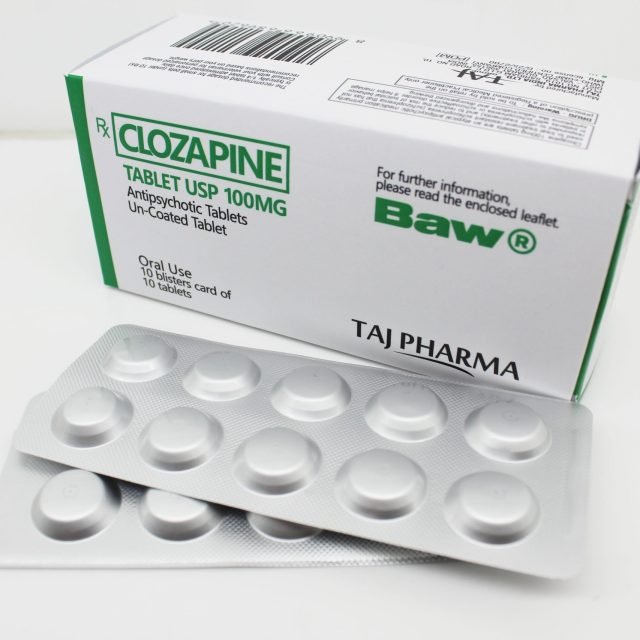
India’s pharmaceutical industry is a dynamic and rapidly growing sector
India’s pharmaceutical sector is indeed a significant player in the global market. Its role in supplying generic drugs and vaccines is crucial for healthcare worldwide. The industry’s value and volume highlight its importance in meeting global healthcare needs.
India’s pharmaceutical industry is a dynamic and rapidly growing sector. Here are some key points about it:
- Generic Drug Manufacturing: India is often referred to as the “pharmacy of the world” due to its extensive production of generic drugs. These medications are more affordable alternatives to brand-name drugs, making healthcare more accessible globally.
- Vaccine Production: India is a major producer of vaccines, supplying a significant portion of the world’s vaccine demand. Companies like the Serum Institute of India and Bharat Biotech have played pivotal roles in vaccine manufacturing.
- Research and Development: India has been increasingly investing in research and development (R&D) in the pharmaceutical sector. This has led to innovation in drug development and the creation of new medicines.
- Regulations: The industry is regulated by the Central Drugs Standard Control Organization (CDSCO) in India. Stringent quality control measures are in place to ensure the safety and efficacy of pharmaceutical products.
- Exports: India’s pharmaceutical products are exported to over 200 countries. Major export destinations include the United States, Europe, Africa, and Asia.
- Affordability: The industry’s focus on generic drugs has contributed to making essential medications more affordable, not only in India but also globally.
- Domestic Market: India has a vast domestic market for pharmaceuticals, serving the healthcare needs of its own population.
- Challenges: Despite its successes, the industry faces challenges related to intellectual property rights, regulatory compliance, and global competition.
- COVID-19 Response: During the COVID-19 pandemic, India played a critical role in producing and supplying vaccines to combat the virus, contributing significantly to global vaccination efforts.
Overall, India’s pharmaceutical industry is a vital player in the global healthcare ecosystem, known for its cost-effective production, innovation, and extensive reach.
Innovations in Indian pharmaceuticals
India’s pharmaceutical industry was actively engaged in various innovative developments. While I don’t have access to real-time data, here are some recent innovations and trends that were emerging in the Indian pharmaceutical sector up to that point:
- Biotechnology and Biosimilars: Indian pharmaceutical companies were investing in the development of biosimilars, which are biologic drugs that are highly similar to already approved biopharmaceuticals. This was an area of significant growth and innovation.
- Research and Development: Indian pharmaceutical firms were increasing their focus on research and development, with a growing number of patents and new drug discoveries. They were expanding their capabilities in drug formulation, process optimization, and clinical trials.
- Advanced Drug Delivery Systems: Innovations in drug delivery systems, such as nanotechnology-based drug delivery, were being explored to enhance the efficacy and safety of medicines.
- AI and Data Analytics: The use of artificial intelligence and data analytics in drug discovery, clinical trials, and drug manufacturing processes was on the rise. This technology was helping in identifying potential drug candidates more efficiently.
- Personalized Medicine: Indian companies were working on tailoring medicines to individual patients based on their genetic makeup and specific medical needs, a field known as personalized medicine.
- Green Chemistry and Sustainability: There was a growing emphasis on sustainable and environmentally friendly manufacturing processes in line with global trends toward eco-friendly pharmaceutical production.
- Telemedicine and Digital Health: The integration of telemedicine and digital health solutions into pharmaceutical services was becoming more common, especially in the wake of the COVID-19 pandemic.
- Vaccine Development: India’s role in vaccine development and manufacturing, particularly for COVID-19 vaccines, showcased its expertise in this critical area of healthcare.
Please note that the landscape of the pharmaceutical industry evolves rapidly, and new innovations and developments may have occurred since my last update in September 2021. To get the most current information on recent innovations in Indian pharmaceuticals, I recommend consulting industry reports, news sources, or the websites of prominent pharmaceutical companies in India.
Learn about Indian pharmaceutical companies
Learning about Indian pharmaceutical companies can be done through various sources and methods. Here are some steps you can take to gather information about these companies:
- Online Research: Start by conducting online research using search engines like Google. You can search for lists of top Indian pharmaceutical companies, news articles, and reports related to the industry.
- Industry Reports: Look for industry reports and market research publications. These reports often provide comprehensive information about the major players, market trends, and future projections in the pharmaceutical sector in India.
- Company Websites: Visit the official websites of Indian pharmaceutical companies. These websites typically provide detailed information about the company’s history, products, research and development initiatives, and corporate governance.
- News Sources: Stay updated with news sources that cover the pharmaceutical industry. Reputable business news websites, magazines, and newspapers often feature articles and interviews related to pharmaceutical companies in India.
- Government Resources: Government websites, such as the Ministry of Chemicals and Fertilizers in India, may offer information on policies, regulations, and statistics related to the pharmaceutical sector.
- Stock Market Data: If you’re interested in publicly-traded pharmaceutical companies, you can access stock market data and financial reports through stock exchanges or financial news websites.
- Trade Associations: Explore websites and publications of pharmaceutical trade associations in India, like the Indian Pharmaceutical Association (IPA), for insights into the industry and its members.
- LinkedIn and Business Directories: Professional networking platforms like LinkedIn can be valuable for connecting with professionals in the pharmaceutical industry and accessing company profiles. Business directories like Yellow Pages can also provide contact details.
- Academic Institutions: Some academic institutions and business schools may offer courses or research materials related to the pharmaceutical industry in India.
- Consult Industry Experts: If you have access to industry experts or professionals in the pharmaceutical sector, consider reaching out to them for insights and recommendations.
Remember that the pharmaceutical industry is vast and diverse, so it’s helpful to narrow down your focus to specific areas of interest, such as generic drug manufacturers, biotechnology firms, or vaccine producers, depending on your specific learning goals.
Indian pharmaceutical companies face challenges like regulatory compliance, global competition, intellectual property issues, and rising R&D costs in the industry.
Indian pharmaceutical regulations: Indian pharmaceutical regulations are governed by the Central Drugs Standard Control Organization (CDSCO) under the Ministry of Health and Family Welfare. Key aspects include drug approvals, quality control, and clinical trials. Stringent regulatory compliance ensures safety and efficacy.
The Central Drugs Standard Control Organization (CDSCO) in India plays a pivotal role in pharmaceutical regulations:
- Drug Approvals: CDSCO evaluates and approves new drugs and pharmaceutical products for safety, efficacy, and quality before they can be marketed in India.
- Quality Control: It establishes and enforces quality standards for pharmaceuticals, ensuring that drugs meet the prescribed quality parameters.
- Clinical Trials Oversight: CDSCO regulates and monitors clinical trials conducted in India to ensure ethical practices and patient safety.
- Import and Export: It controls the import and export of pharmaceuticals, including issuing licenses and permits for these activities.
- Pharmacovigilance: CDSCO is responsible for monitoring and reporting adverse drug reactions and ensuring the safety of pharmaceutical products.
- Regulatory Compliance: The organization enforces compliance with pharmaceutical laws and regulations, including inspections and audits of manufacturing facilities.
- Licensing and Registration: CDSCO grants licenses and registrations to pharmaceutical manufacturers, distributors, and other stakeholders, ensuring they meet regulatory requirements.
- Amendments and Updates: It periodically updates and amends regulations to align with international standards and address emerging challenges.
CDSCO’s role is essential in safeguarding public health by ensuring that pharmaceuticals in India adhere to stringent quality and safety standards.
Indian pharmaceutical exports
Indian pharmaceutical exports have grown significantly over the years, making India one of the world’s leading pharmaceutical exporters. Here are some key points about Indian pharmaceutical exports:
- Global Reach: Indian pharmaceutical companies export their products to over 200 countries around the world. Major export destinations include the United States, Europe, Africa, and Asia.
- Generic Drugs: India is a major supplier of generic drugs to both developed and developing countries. These generic medicines are more affordable alternatives to brand-name drugs, contributing to healthcare accessibility globally.
- Vaccines: India plays a critical role in global vaccine supply. Companies like the Serum Institute of India and Bharat Biotech produce vaccines that are distributed worldwide, addressing various diseases, including COVID-19.
- Diverse Product Range: Indian pharmaceutical exports encompass a wide range of products, including active pharmaceutical ingredients (APIs), finished dosage forms, biopharmaceuticals, and over-the-counter (OTC) medicines.
- Regulatory Compliance: Indian pharmaceutical companies must adhere to stringent quality and regulatory standards to export their products. Compliance with the regulatory requirements of the importing countries is essential.
- Competitiveness: India’s cost-effective manufacturing processes and skilled workforce contribute to its competitiveness in the global pharmaceutical market.
- Intellectual Property: Intellectual property issues, such as patent disputes, have been a challenge for Indian pharmaceutical exporters, particularly when dealing with patented drugs in Western markets.
- Emerging Markets: Indian pharmaceutical companies have also been expanding their presence in emerging markets, capitalizing on the growing demand for affordable healthcare in countries in Africa, Latin America, and Southeast Asia.
- Government Support: The Indian government has introduced various initiatives and policies to support pharmaceutical exports, including providing incentives for research and development (R&D) and export promotion.
- COVID-19 Pandemic: During the COVID-19 pandemic, India’s role in exporting vaccines and pharmaceuticals was prominently featured, highlighting its significance in global healthcare.
Indian pharmaceutical exports contribute significantly to the country’s economy and play a crucial role in providing affordable healthcare solutions to people worldwide. The industry’s continued growth and expansion are expected to further solidify its position in the global pharmaceutical market.
Challenges of pharmaceutical R&D in India
Pharmaceutical research and development (R&D) in India face several challenges:
- High R&D Costs: Developing new drugs is expensive, and Indian pharmaceutical companies often struggle to fund extensive R&D efforts.
- Regulatory Hurdles: Stringent regulatory requirements and lengthy approval processes can delay drug development and increase costs.
- Intellectual Property Issues: Intellectual property disputes, especially related to patents, can hinder innovation and limit the development of new drugs.
- Talent Shortage: While India has a large pool of scientific talent, there is a shortage of experienced researchers with expertise in drug discovery and development.
- Lack of Infrastructure: Insufficient infrastructure for cutting-edge research and clinical trials can limit the scope and quality of R&D projects.
- Global Competition: Indian companies face intense global competition from well-established pharmaceutical giants, making it challenging to gain market share.
- Data Protection: Inadequate data protection laws can discourage investment in R&D, as companies may be concerned about data theft or misuse.
- Access to Clinical Trials: Limited access to patients for clinical trials, along with a complex regulatory framework, can slow down the development process.
- Market Access: Getting new drugs to market and ensuring they are accessible to patients can be challenging due to pricing pressures and reimbursement issues.
- Changing Regulatory Landscape: Frequent changes in global and domestic regulations can require constant adaptation and investment in compliance.
Despite these challenges, Indian pharmaceutical companies have made significant strides in R&D, with several successful drug discoveries and innovations. The industry continues to work on overcoming these obstacles to enhance its position in the global pharmaceutical R&D landscape.